
New Porsche Cayenne Grows by 5 Inches and Adopts an 800-Volt Architecture: Spy Photos
The real shocker is the Turbo Electric version.

Porsche has officially confirmed what industry insiders have been whispering about for months: a fully electric Porsche Cayenne will make its global debut in April 2026 at the Beijing Auto Show.
The new model moves to the advanced PPE (Premium Platform Electric) architecture and, in its range-topping Turbo Electric form, is capable of producing a staggering 1,156 horsepower.
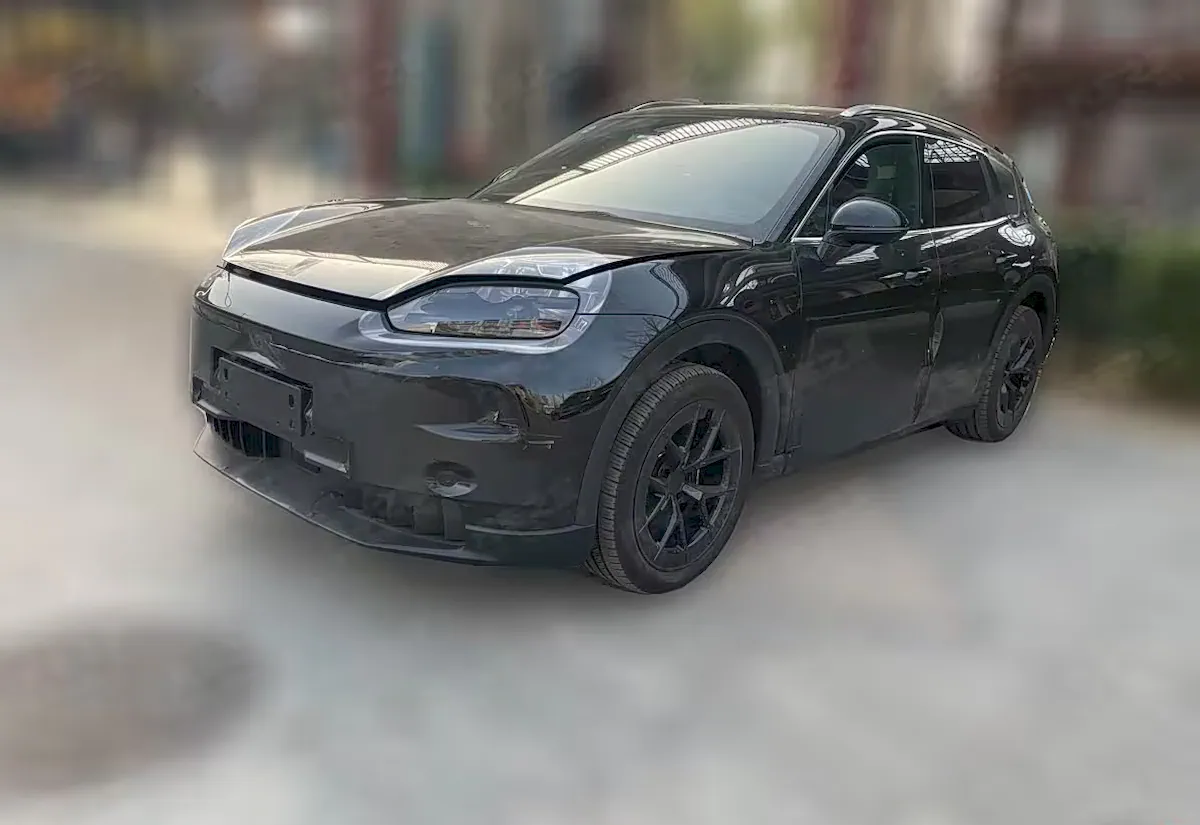
The electric Cayenne will launch in two main versions. The standard Cayenne Electric comes with a 408-hp setup, which briefly boosts output to 442 hp when launch control is engaged. That’s enough to sprint from 0 to 100 km/h (62 mph) in 4.8 seconds—respectable performance for the entry point into the lineup.
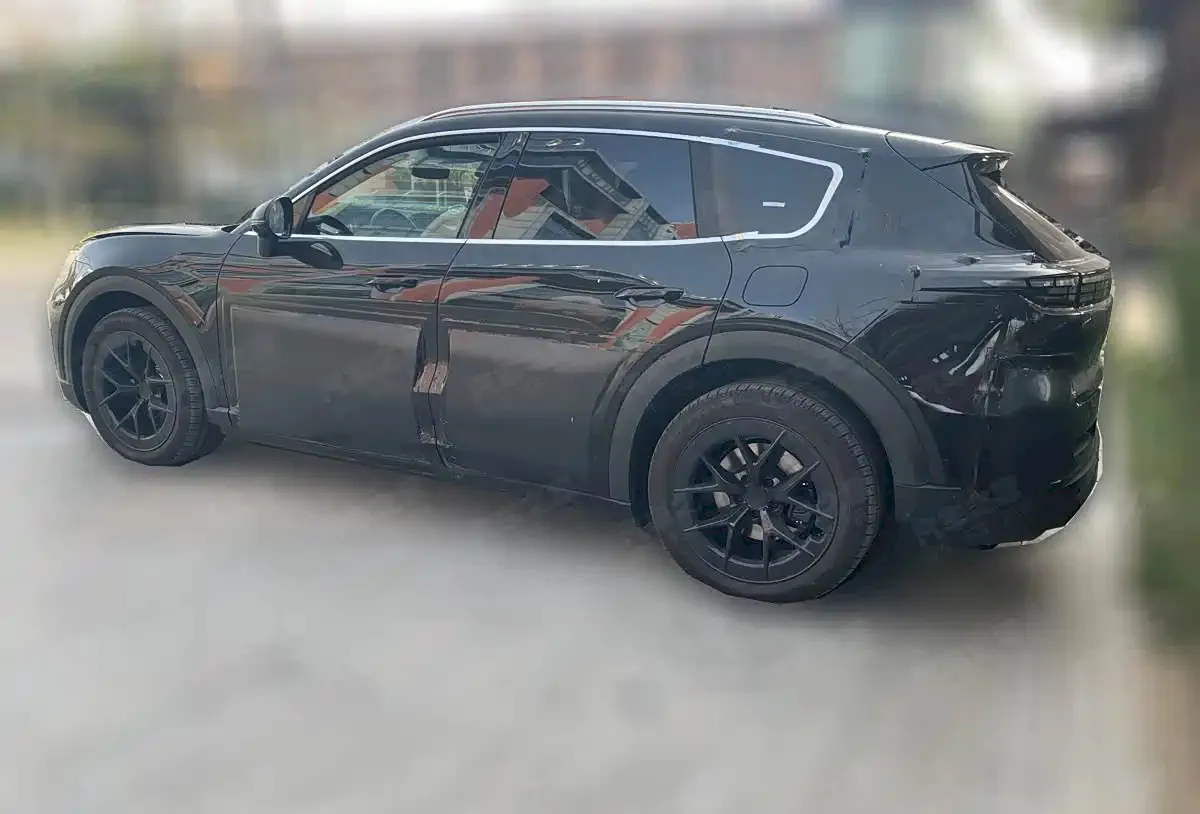
The real headline, however, is the Cayenne Turbo Electric. In normal driving it delivers 857 hp, but during hard launches output spikes to an eye-watering 1,156 hp with up to 1,500 Nm of torque. The result is hypercar-level acceleration: 0–100 km/h in just 2.5 seconds. Porsche also adds a “Push-to-Pass” button that unleashes an extra 176 hp for 10 seconds, designed for instant overtaking.
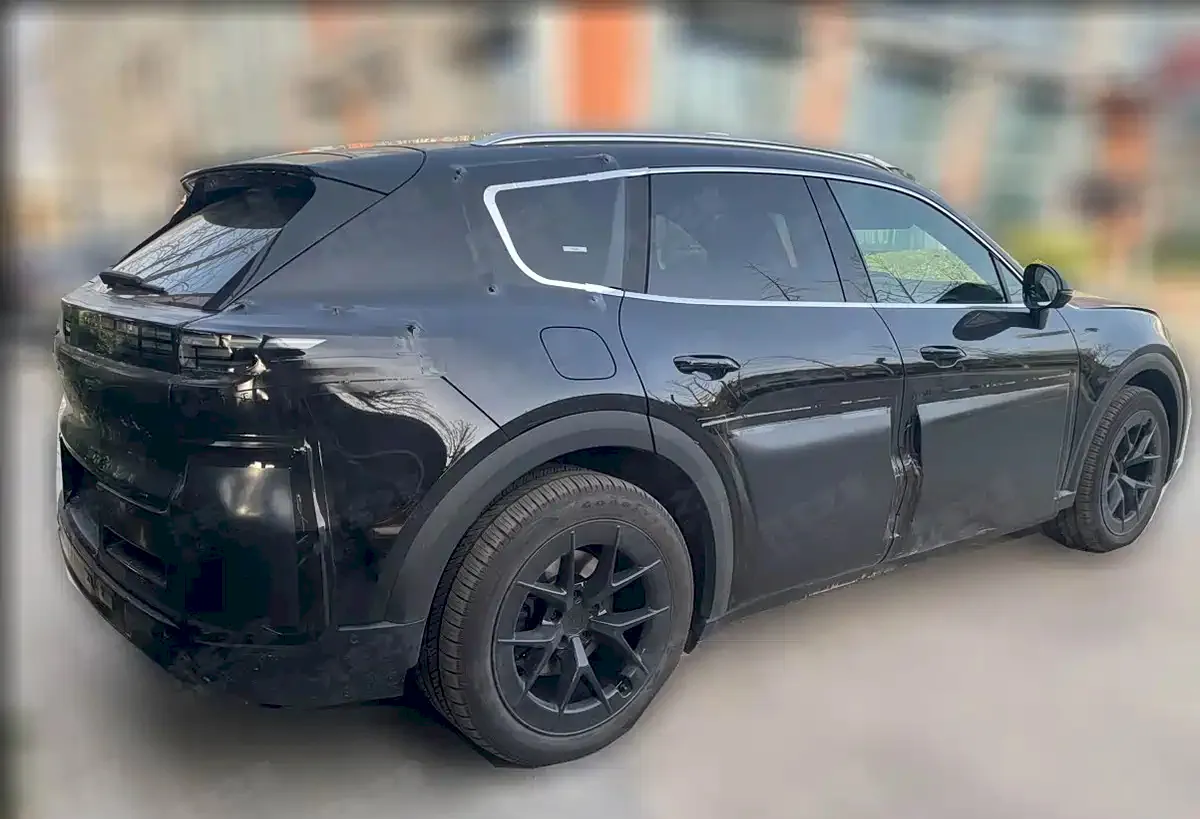
Under the skin is an 800-volt electrical system paired with a substantial 113-kWh battery. Even the base model is heavily equipped, featuring dual-chamber air suspension, active torque vectoring, and rear-wheel steering as standard. Higher trims will roll on massive 22-inch wheels and come fitted with powerful carbon-ceramic brakes.
Visually, the electric Cayenne is easy to spot thanks to its closed-off front end and active aerodynamic shutters integrated into the bumper. The SUV has grown significantly: with an overall length just under 5 meters, its wheelbase is up by a full 13 cm (about 5 inches) compared with the gas-powered predecessor, promising noticeably more interior space. At the rear, a full-width PORSCHE light bar and an active rear spoiler complete the look.
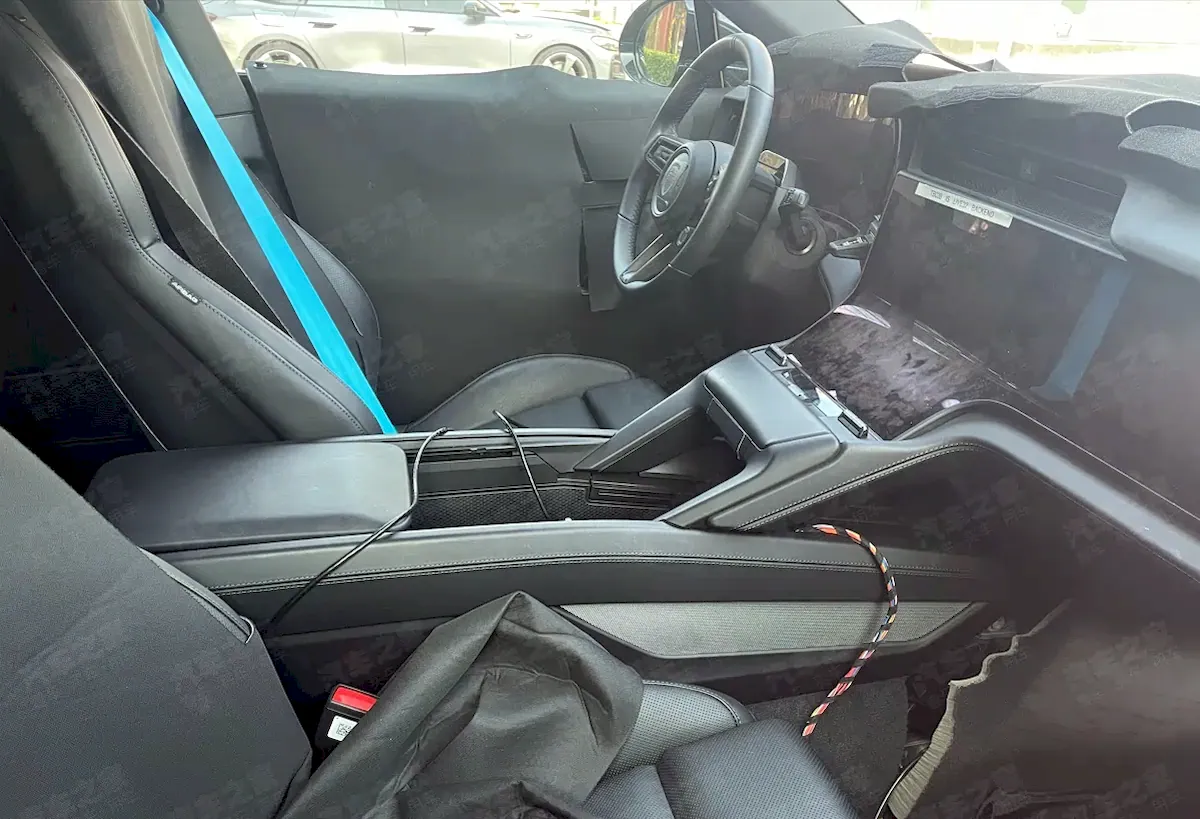
Inside, the driver is greeted by a fully digital cockpit featuring a 14-inch OLED instrument cluster and a curved central “Flow Display” touchscreen. The front passenger gets a dedicated screen of their own, while an augmented-reality head-up display creates the impression of an enormous 87-inch virtual screen floating directly in front of the driver.
You may also be interested in the news:
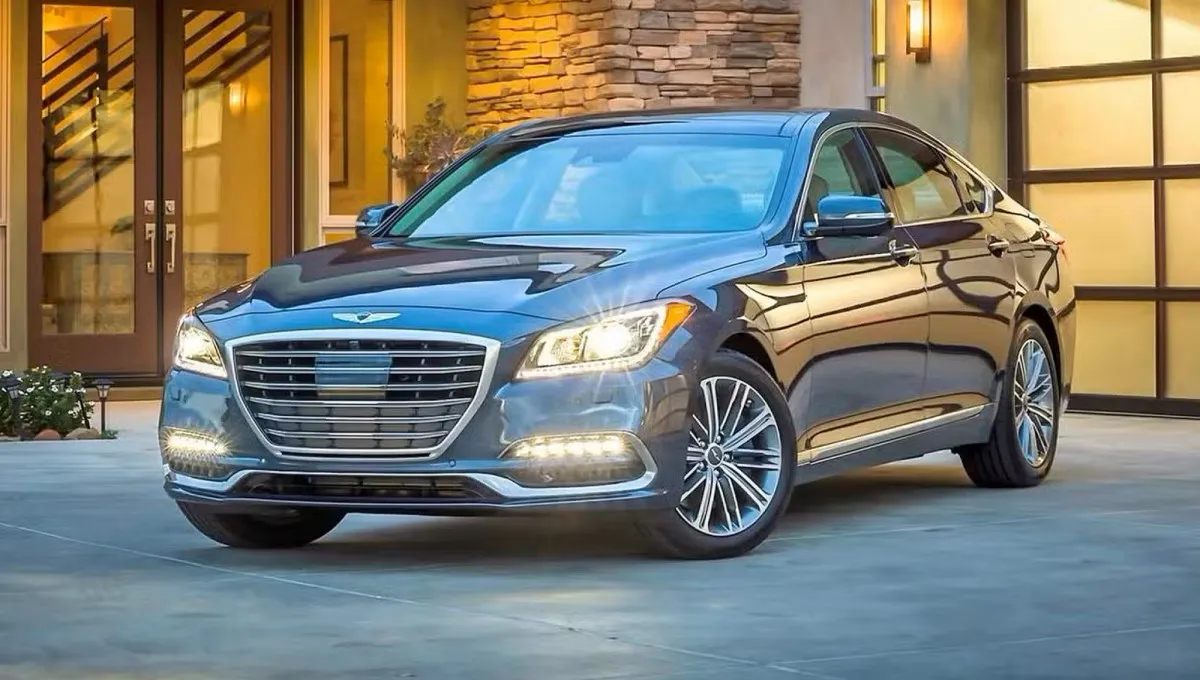
Hyundai Recalls Nearly 95,000 Genesis Sedans Over Fire Risk From Power Seats
Hyundai is recalling 94,622 Genesis sedans after a faulty power seat switch was linked to overheating and potential vehicle fires.

The U.S. Builds the World’s Fastest Lawn Mower
An American-built lawn mower hit 152.8 mph at Arkansas Mile and can still cut grass.

Jeep Could Return to Its Roots With a Revived Willys
Jeep is seriously considering bringing back its iconic off-roader, the vehicle that started the brand's legendary story.

No Password Required: Hackers Remotely Took Control of Chinese EV Functions While the Vehicle Was Moving
An Australian investigation uncovered serious cybersecurity flaws that could expose connected Chinese vehicles to remote access.
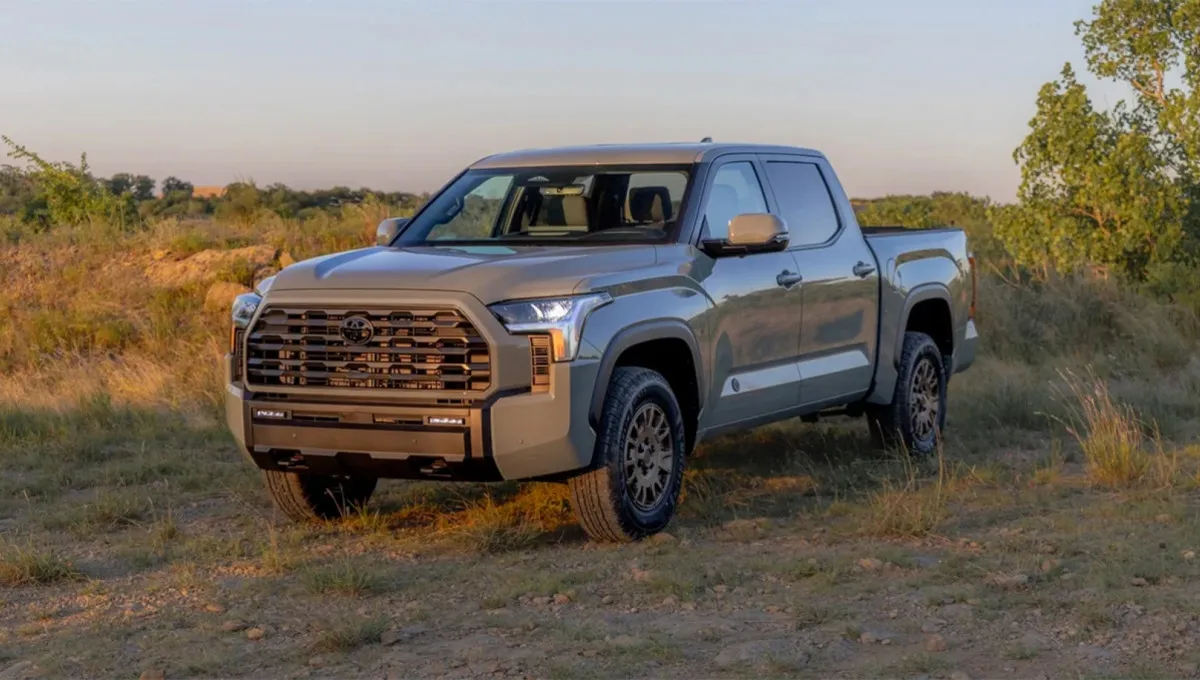
A Lifelong Ford Family Is Ready to Walk Away From F-150s for This $79K Toyota Tundra
A longtime Ford family is considering a $79,000 2026 Toyota Tundra 1794 i-FORCE MAX after questioning loaded F-150 prices.