
No More Giant Screens: Audi Wants to Bring Back Real Buttons and Simpler Interiors
Audi is planning to rethink its interior design strategy and gradually move away from oversized displays.
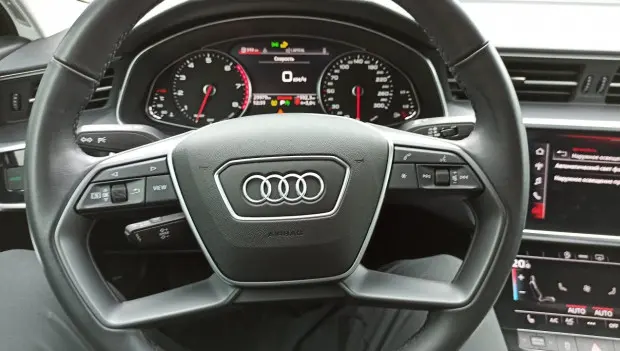
Audi is preparing to change its approach to interior design, with plans to scale back the use of excessively large screens in future vehicles.
The shift was outlined by the company’s Chief Creative Officer, Massimo Frascella.
According to Frascella, the brand wants to return to tactile, high-quality, and restrained interiors—spaces where drivers interact with the car through real buttons, switches, and materials rather than relying almost entirely on touchscreens.
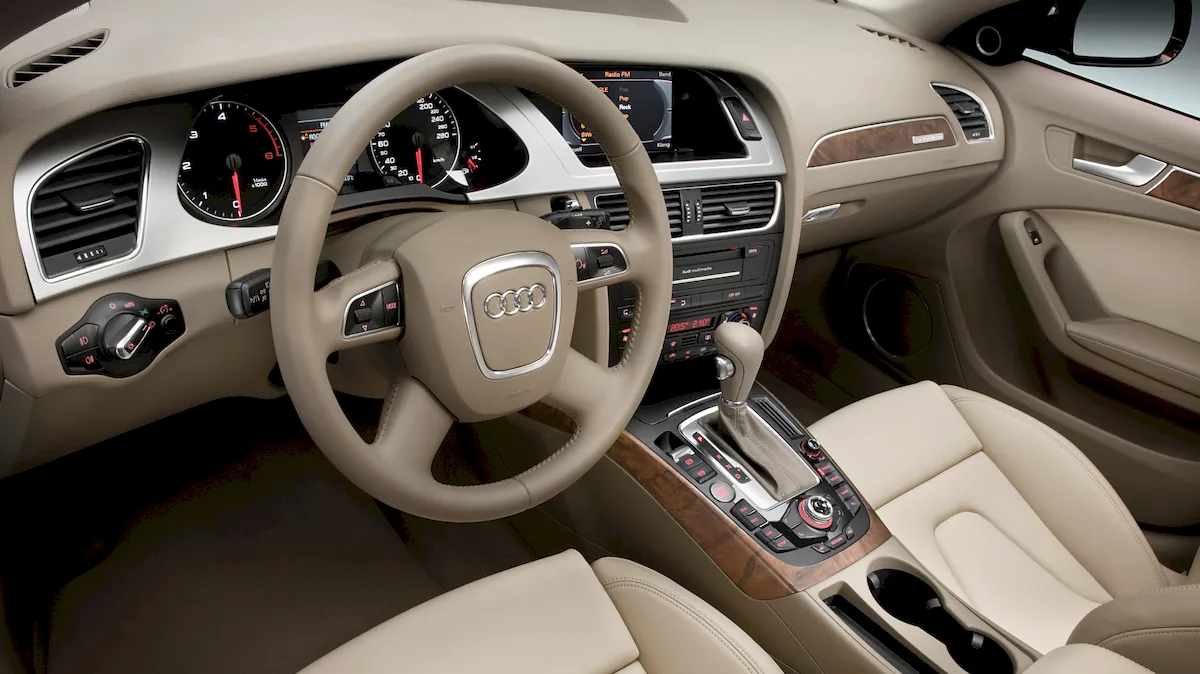
Frascella was blunt in his assessment: “Big screens are not the best experience. It’s technology for the sake of technology.” He added that Audi believes technology should appear only when it truly serves the user: “For us, technology needs to be there when it’s needed—and not there when it’s not.”
Audi sees the physical feel of driving as essential, emphasizing direct interaction with controls and interior elements. Frascella said the brand is looking to find its “own path” rather than following industry trends, noting: “It’s not about taking things away. It’s about presenting technology and features in a way that’s genuinely useful for the customer.”
This philosophy stands in contrast to other automakers, such as Mercedes-Benz, where massive displays like the Hyperscreen dominate the cabin. Audi, by comparison, is talking about restoring balance between digital and analog elements, with a renewed focus on perceived quality.
As a result, large displays like those found in the latest Audi Q5—featuring a 14.5-inch central screen and an 11.9-inch driver display—could either shrink or disappear altogether in future models.
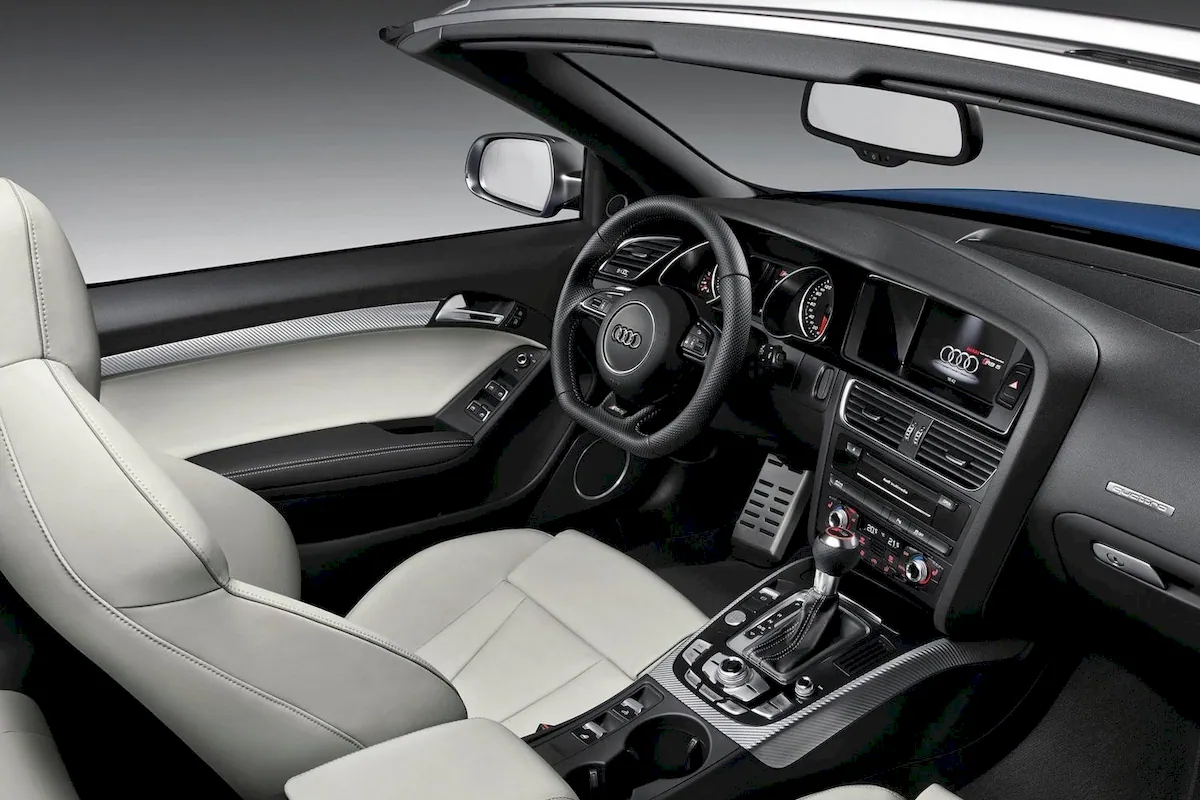
Hints at Audi’s new direction can be seen in the Audi Concept C. The concept features a clean steering wheel with physical buttons, traditional stalks behind the wheel, and generous use of anodized aluminum to create a premium feel. The driver display is set deeper into the dashboard, making it feel less intrusive, while the central screen measures just 10.4 inches—significantly smaller than what’s common in today’s luxury vehicles.
In addition, the Concept C allows the central display to fold away and disappear when not in use.
Audi says this philosophy—smaller screens, more physical controls, and restrained, high-quality design—will form the foundation of its future production models.
You may also be interested in the news:
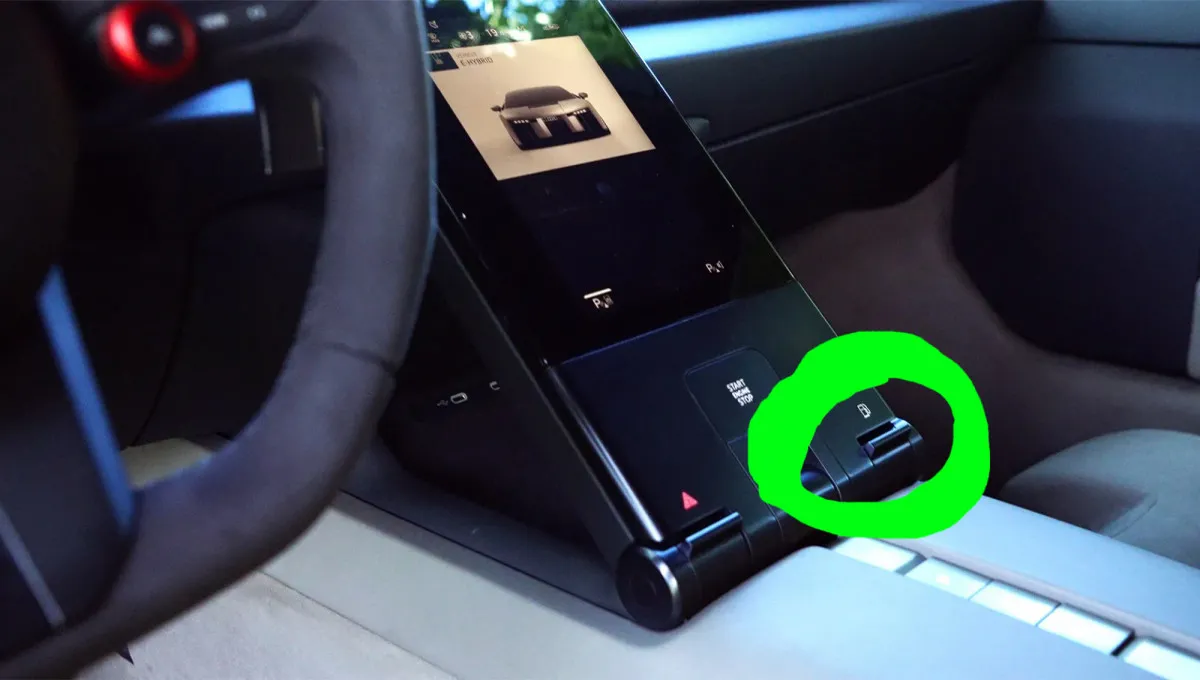
Solving the Mystery of the Audi Nuvolari’s Massive Fuel Door Button
Audi’s striking Nuvolari supercar has an unusually large fuel door button, and its placement may reveal an unexpected connection.
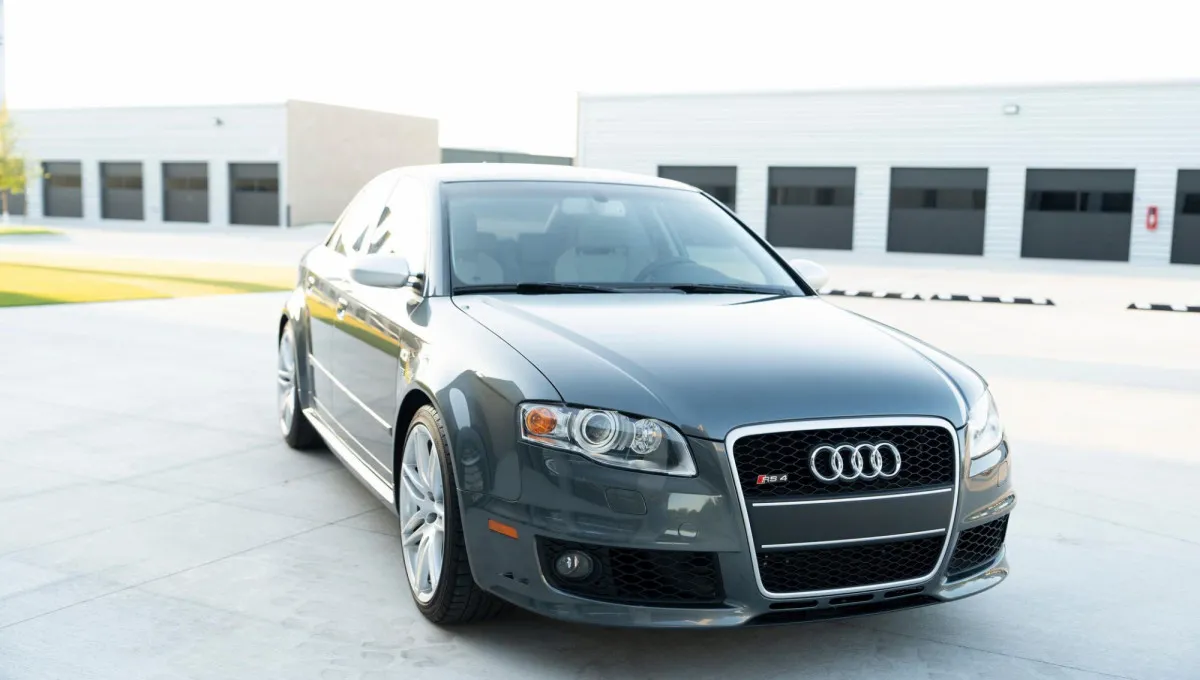
This 18-Year-Old Audi RS4 Just Sold for More Than It Cost Brand-New
After spending 18 years in a garage, this low-mileage Audi RS4 has become a sought-after collector car.

Audi 80 Has Covered Nearly 1 Million Kilometers With Its Original Engine
A 1991 Audi 80 is closing in on a mileage record.
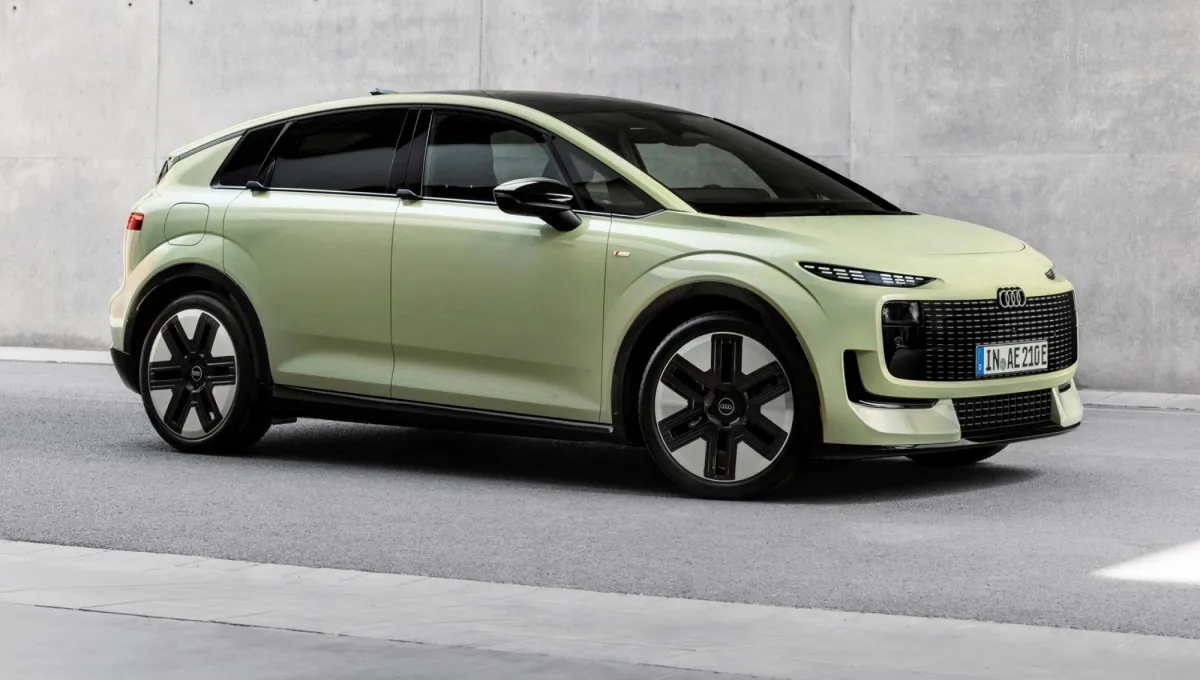
Audi Reveals EV With Unusual Door Handles
Audi has unveiled the new A2 E-Tron, an electric hatchback with distinctive styling and tiny flush-mounted door handles.
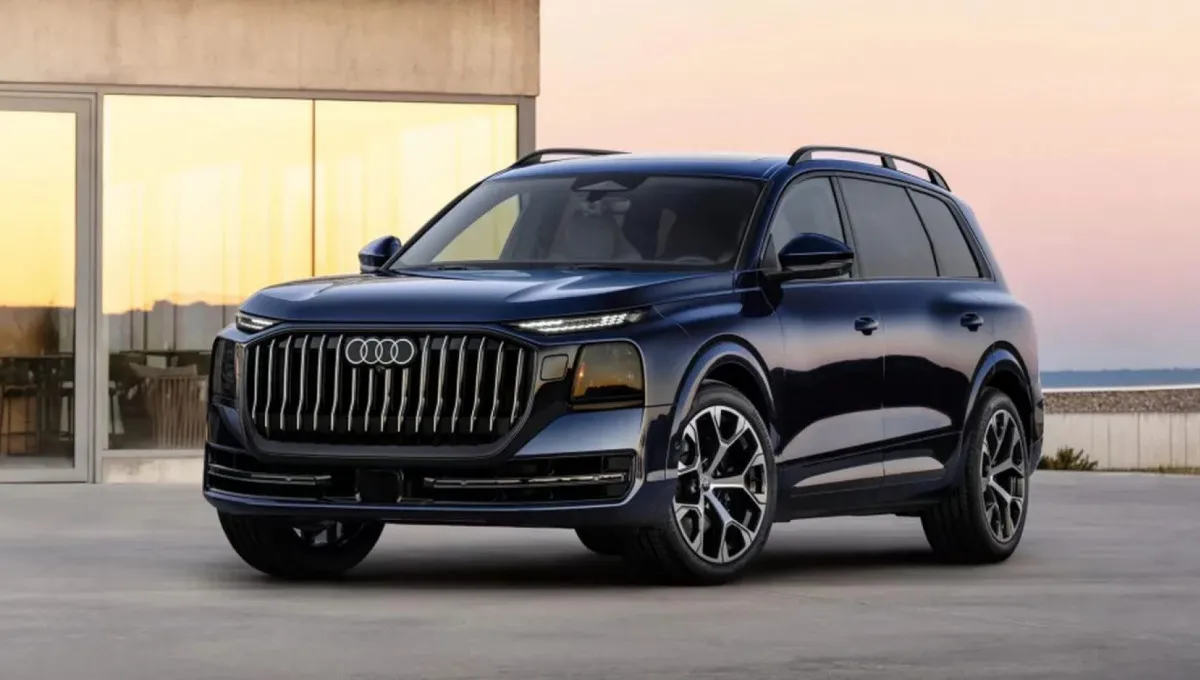
Audi Reveals Its Largest SUV Yet: New Audi Q9 Ready to Take on BMW X7 and Mercedes-Benz GLS
Audi has officially unveiled the new Q9, the largest SUV in the German automaker’s lineup.