
Six Ways to Increase Your Car’s Ground Clearance: Spacers, Spring Buffers, and New Suspension Springs
Many drivers want more ground clearance for off-roading, rural roads, or simply for fun and style.

Many drivers look for ways to increase their vehicle’s ground clearance. A higher ride height can help protect the underside of a car when driving on gravel roads, dirt trails, or uneven forest paths. In some cases, it’s possible to raise ground clearance by about 1–1.2 inches with relatively simple modifications.
1. Installing Tires With a Larger Overall Diameter
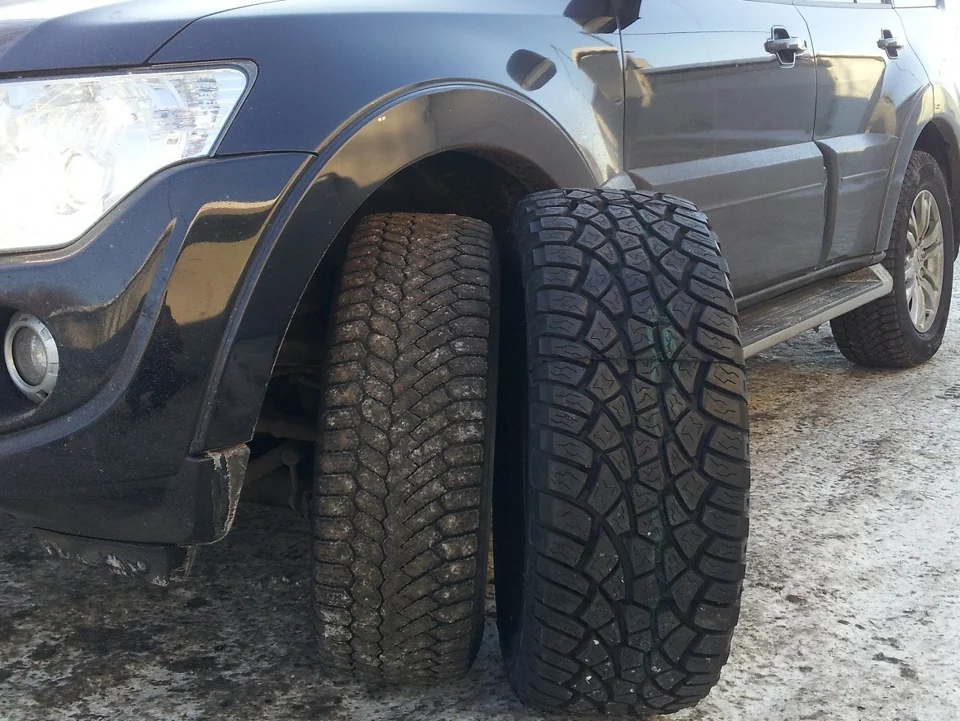
One of the easiest ways to increase ground clearance is by installing tires with a larger outside diameter. By switching to slightly bigger tires, the distance between the vehicle’s underbody and the road surface can increase by roughly 1 inch.
However, not every tire will fit every vehicle. Drivers should select a model that matches the car’s design and wheel well space. For safe driving, the tire should not rub against the fenders or wheel arches when the suspension compresses.
For best results, it’s recommended to test-fit the tires while the vehicle is carrying some weight, such as passengers or cargo. This helps ensure there’s enough clearance in real-world conditions.
Keep in mind that installing larger tires can sometimes affect the vehicle’s electronic systems, including speedometer readings. It may also slightly increase fuel consumption.
2. Replacing Suspension Springs
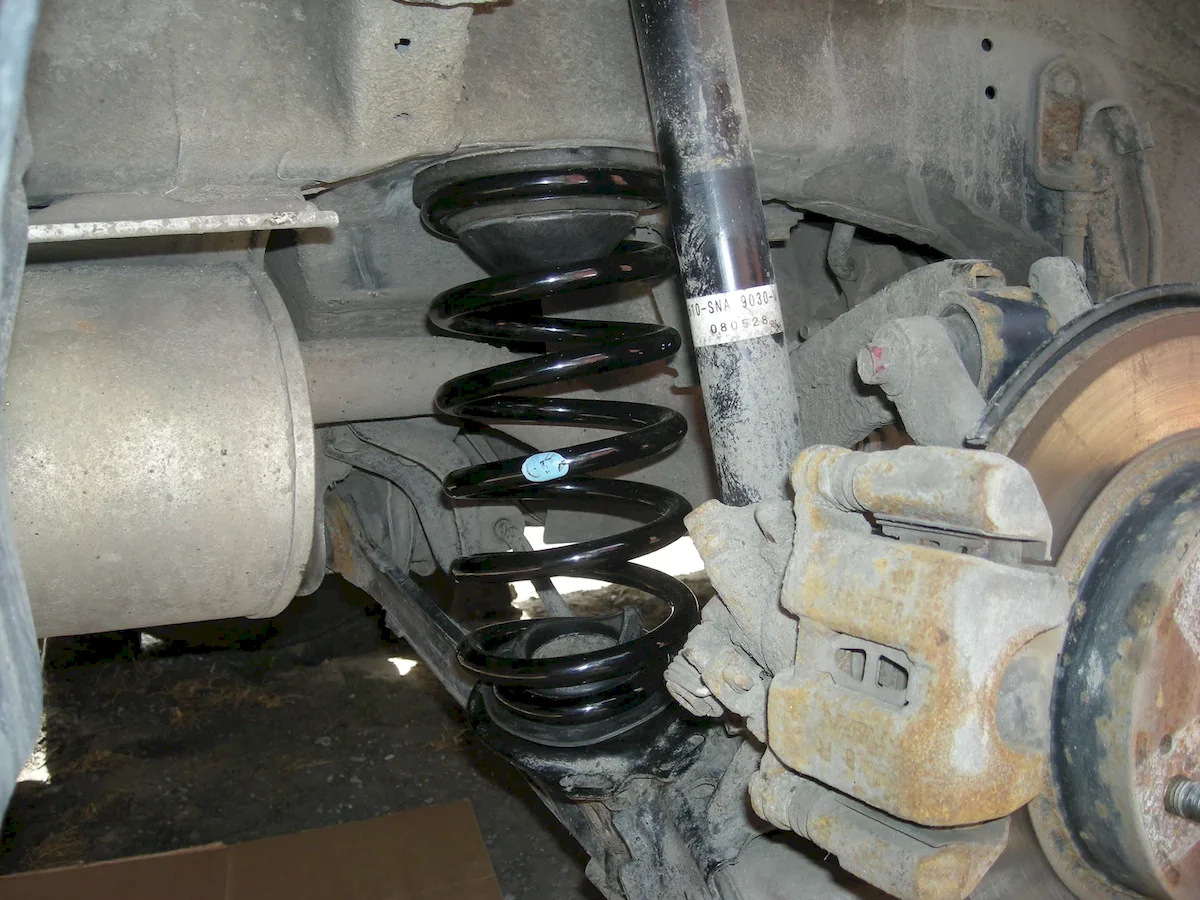
Another method is to replace the factory suspension springs with longer or stiffer ones. Doing so can raise the vehicle’s ride height and is a common upgrade among SUV and crossover owners who frequently travel on rough backroads.
That said, mechanics usually recommend caution. Installing springs with different characteristics than the original design can affect vehicle handling and stability. Drivers with little experience should remember that stiffer springs do not always improve control, especially on sharp turns or rough pavement.
It’s also important that the springs match the specifications of the vehicle’s shock absorbers. In many cases, replacing the springs may require installing compatible struts or shocks as well.
3. Installing Suspension Spacers
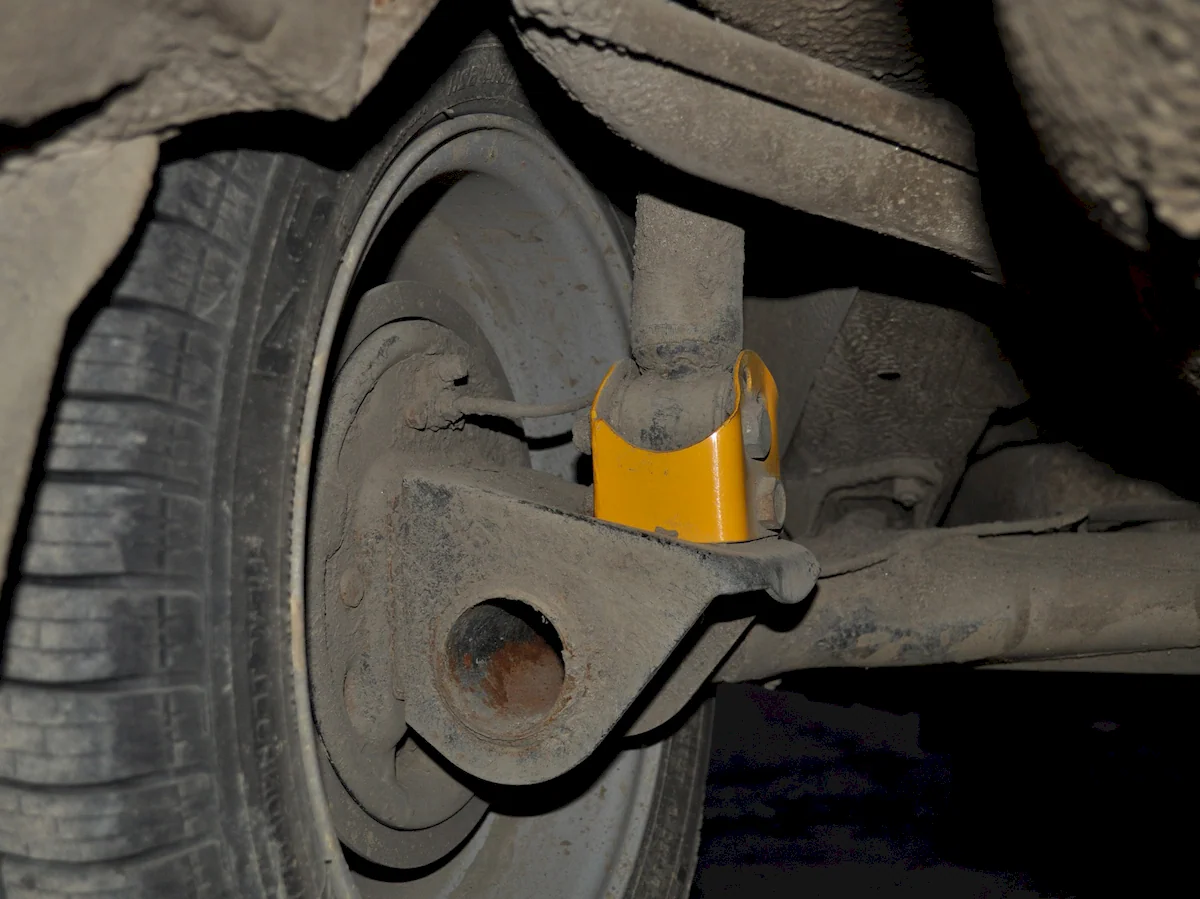
Another relatively simple option is installing suspension spacers. These components are placed between the top of the strut assembly and the vehicle’s body. Spacers are usually made from dense rubber or polyurethane and can raise the vehicle by about 1–1.2 inches.
They’re fairly inexpensive, and many drivers install them themselves. The process typically involves removing the wheel, taking out the strut assembly, adding the spacer, and securing everything with longer mounting bolts before reinstalling the strut and wheel.
However, this method isn’t suitable for every vehicle. It generally works best on cars with semi-independent suspension systems. Experts also advise against installing spacers if the suspension is already functioning perfectly.
While spacers raise the vehicle slightly, they can also affect handling and may accelerate wear on CV joints and other suspension components.
4. Installing Spring Buffers
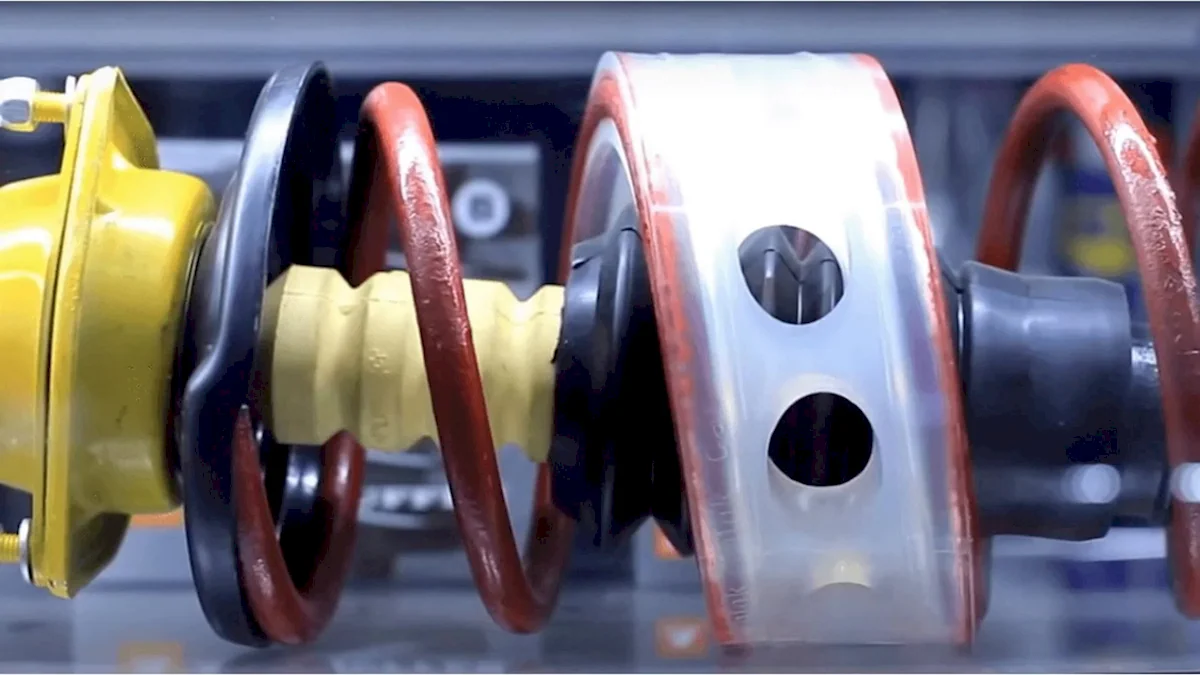
Spring buffers are polyurethane inserts placed between the coils of suspension springs. Their purpose is to limit how much the springs compress.
Adding buffers can increase ground clearance by around 0.8 inches, while also improving ride comfort over rough roads. The car may feel smoother when driving over bumps and potholes.
For safety, it’s important to choose buffers designed specifically for the vehicle’s spring type and size. Because incorrect installation can damage the suspension, many drivers prefer to have a professional mechanic handle the job.
5. Using Air Helper Springs
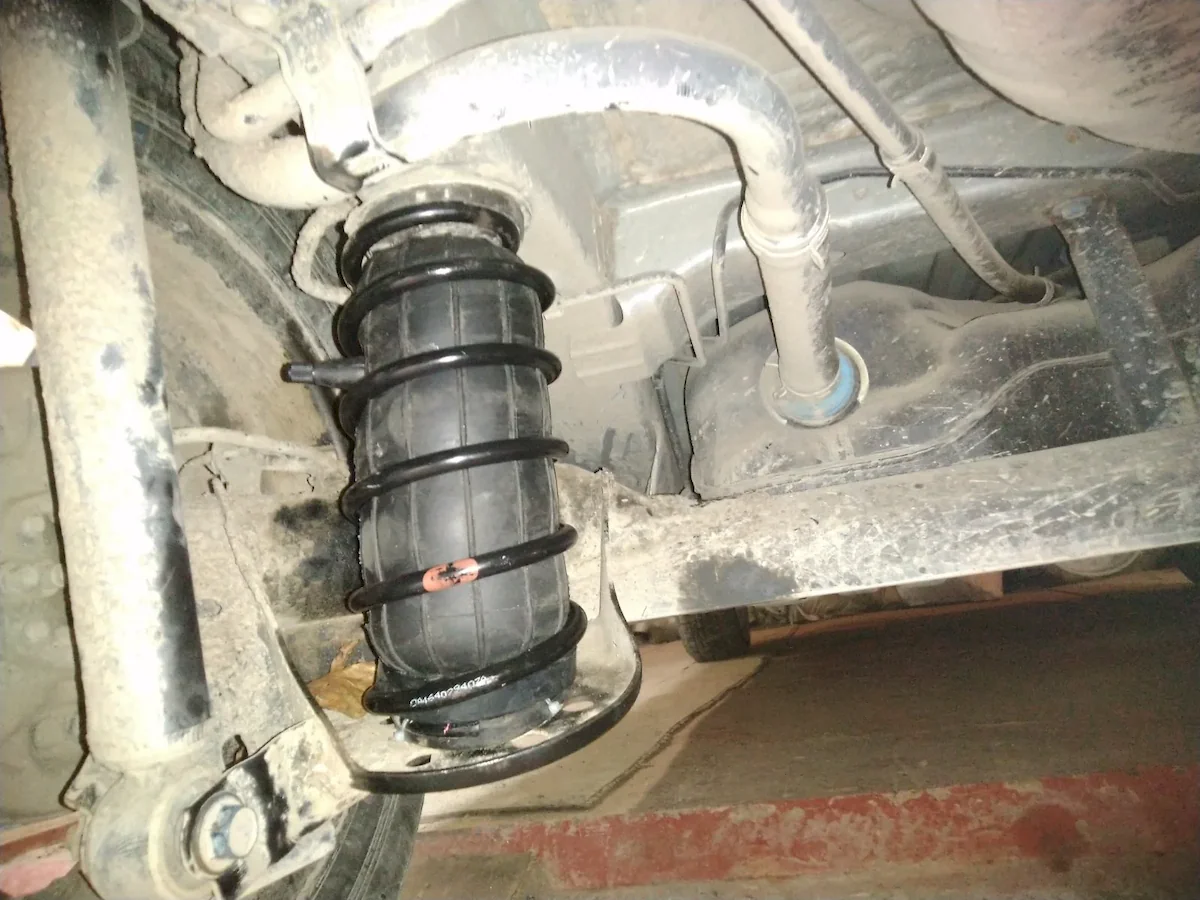
Air helper springs are thick rubber air chambers equipped with valves that allow drivers to adjust the internal pressure. They are commonly used to increase a vehicle’s load capacity and prevent the suspension from sagging when carrying heavy cargo.
When installed inside the rear suspension springs and inflated to about 7–20 psi, these air chambers can raise the rear of the vehicle by roughly 1.6 to 1.8 inches.
However, this solution typically works only on the rear suspension. Experts also recommend caution when using air helper springs, since a failure—such as a burst air chamber—could create safety risks if it happens while driving at highway speeds.
6. Upgrading the Suspension System
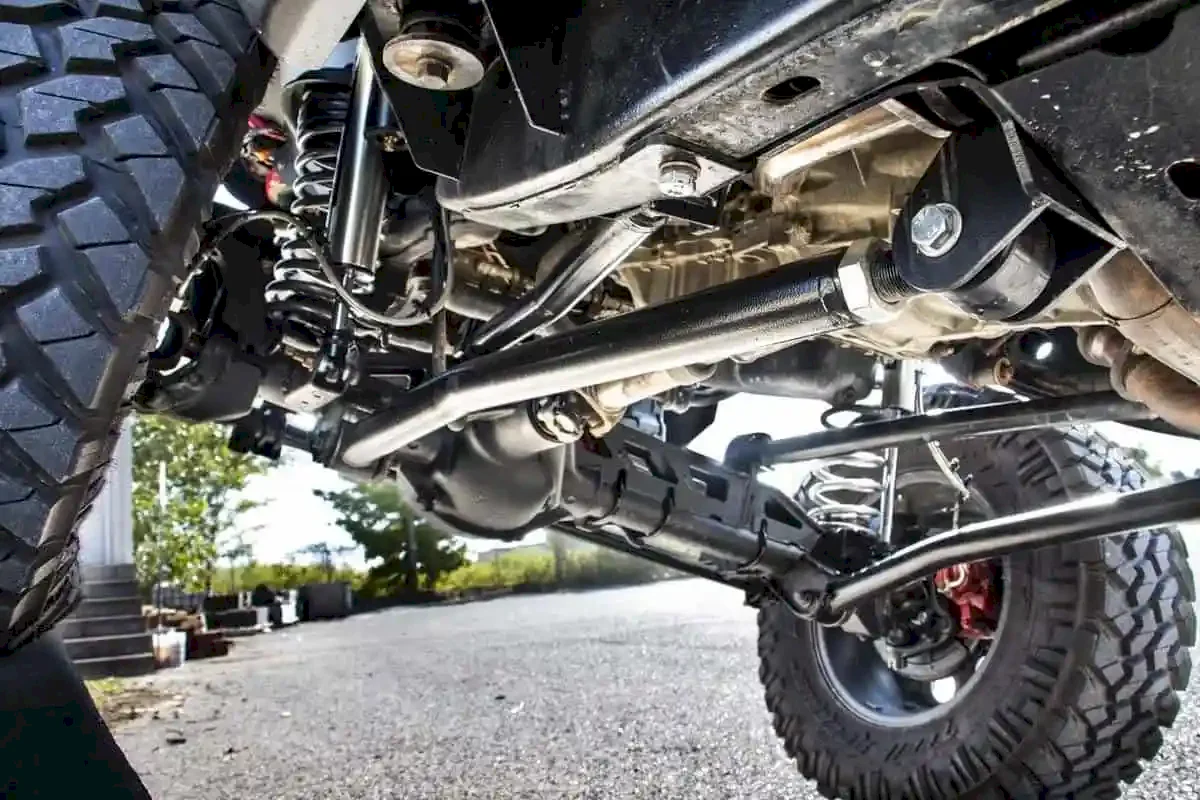
Drivers who want a significant increase in ground clearance may need to consider a full suspension upgrade. This usually involves installing a lift kit with taller shocks, modified springs, and other components designed to raise the vehicle.
Unlike simpler modifications, a suspension lift requires major changes to the vehicle’s chassis and suspension geometry. Because of that, it’s best to consult experienced mechanics or off-road specialists before choosing a specific kit.
When done correctly, however, a suspension upgrade can dramatically improve ground clearance and make the vehicle much better suited for rough terrain.
You may also be interested in the news:

Why Experienced Drivers Put Socks on Their Car Mirrors in Fall: The Clever Trick Explained
An old pair of socks can help reduce frost buildup on your side mirrors overnight, saving time on cold mornings when every minute counts.
How to Clean Your Windshield Without Streaks: Experts Recommend This Simple DIY Mix
The secret to a streak-free windshield comes down to the right cleaning solution, two microfiber cloths, and the proper drying technique.

Why Some Drivers Keep Bay Leaves in Their Cars — It’s Not Just About Superstition
Can a common kitchen spice help repel bugs, freshen your car’s interior, or even help you relax behind the wheel?
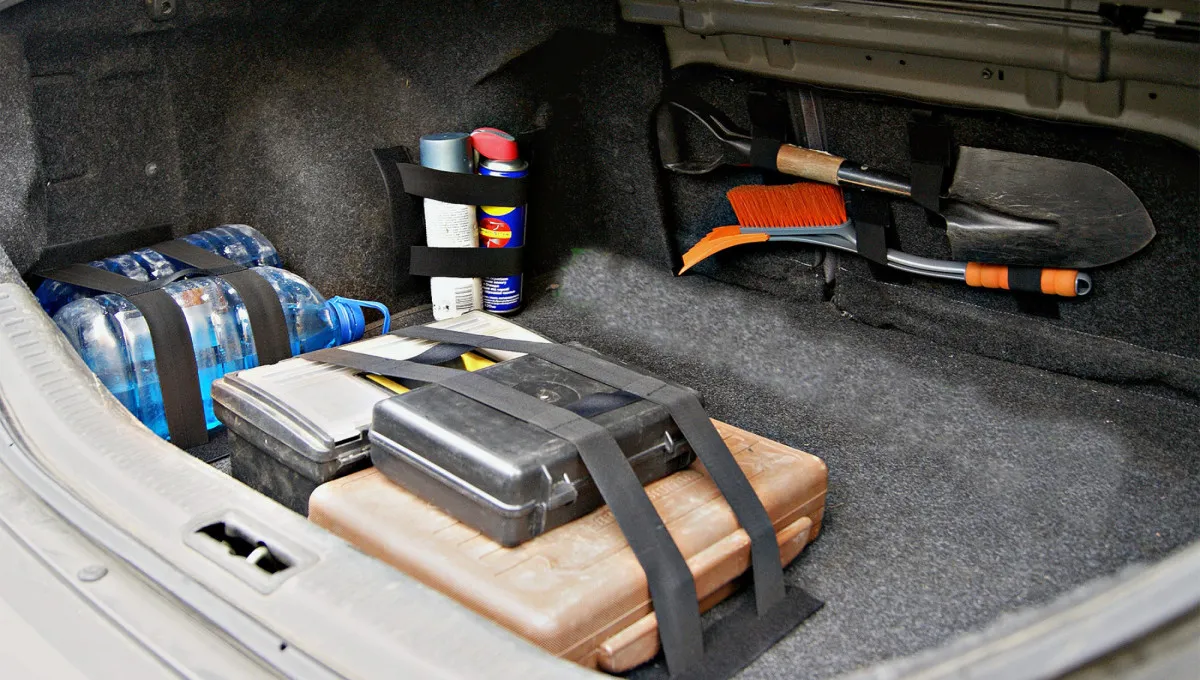
Cold Weather Can Leave You Stranded — 5 Things Every Driver Should Have in Their Car
The first hard freeze can catch drivers off guard. Here's what to keep in your vehicle and how to prepare your battery, tires, and fluids for colder weather.
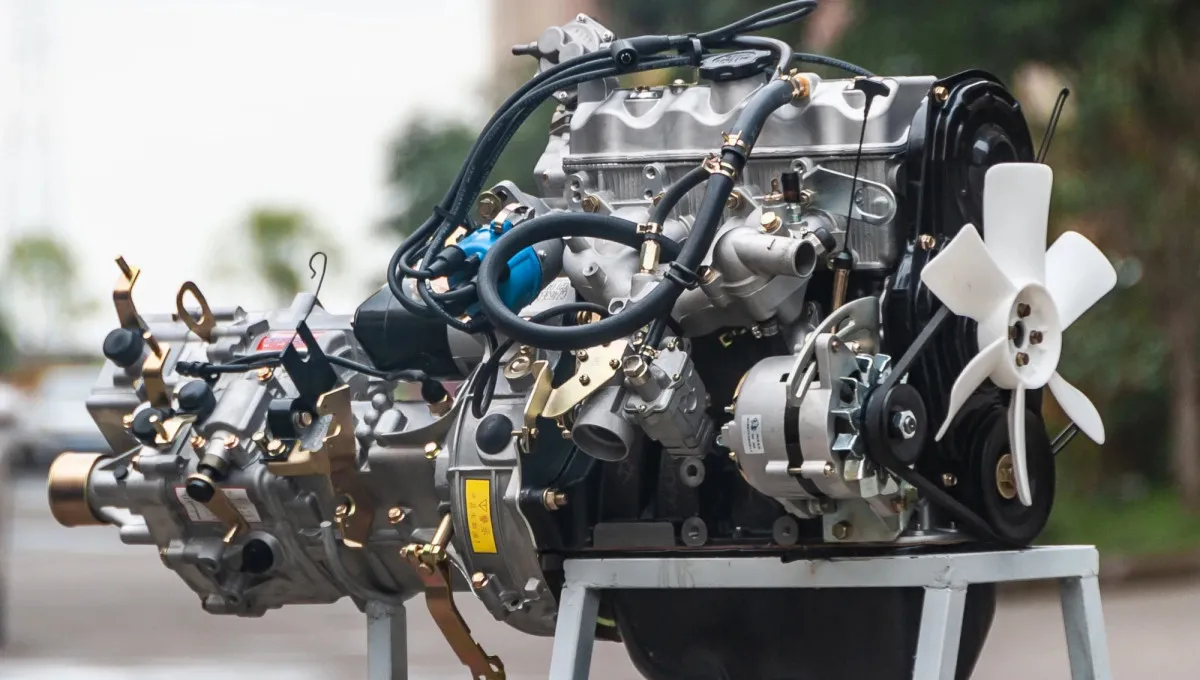
“Are You Sure It’s Chinese?” Who Really Builds China’s Car Engines
Who Really Develops China’s Car Engines?