
BlueHDi Engine Problem: Stellantis Recalls Thousands of Vehicles
Stellantis plans to bring more than 50,000 vehicles in for service.
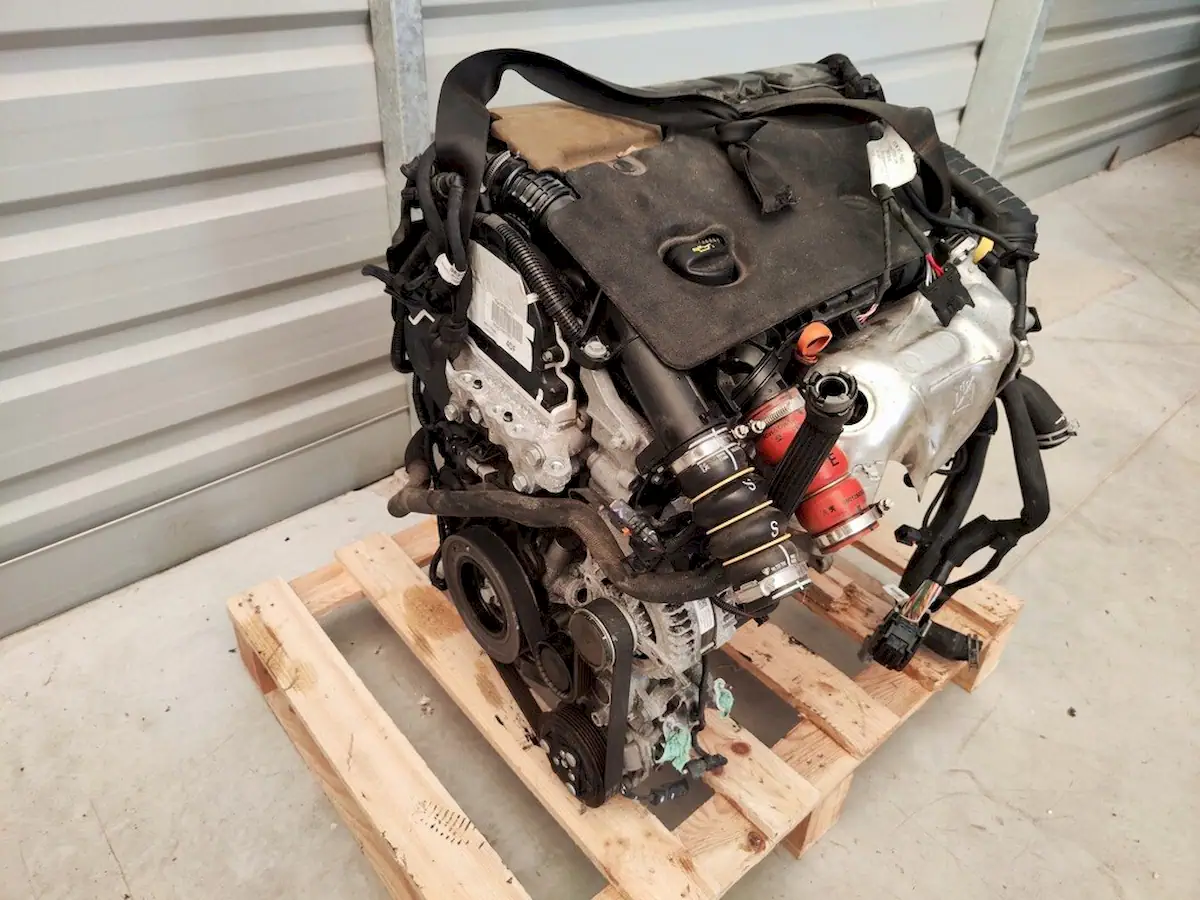
The 1.5-liter BlueHDi (DV5) diesel engine has already faced criticism in the past due to premature wear of the timing chain linking the camshafts—an issue that could lead to serious engine damage. This time, however, the problem is different.
Automotive group Stellantis is preparing to recall more than 50,000 vehicles across Europe due to a newly identified issue with the fuel injection system on engines equipped with the 1.5 BlueHDi.
The recall affects vehicles built between July and October 2025, including models from several brands under the Stellantis umbrella:
- Peugeot: 308, Rifter, Partner, Expert
- Citroën: Berlingo, Jumpy, C5 Aircross
- DS Automobiles: DS 7
- Opel: Astra, Combo, Vivaro
- FIAT: Doblo, Scudo
According to the company, the issue may stem from improper assembly of the common rail fuel system, specifically the fuel rail itself. This could result in loose fittings, which in turn may cause a fuel leak—and in a worst-case scenario, increase the risk of fire.
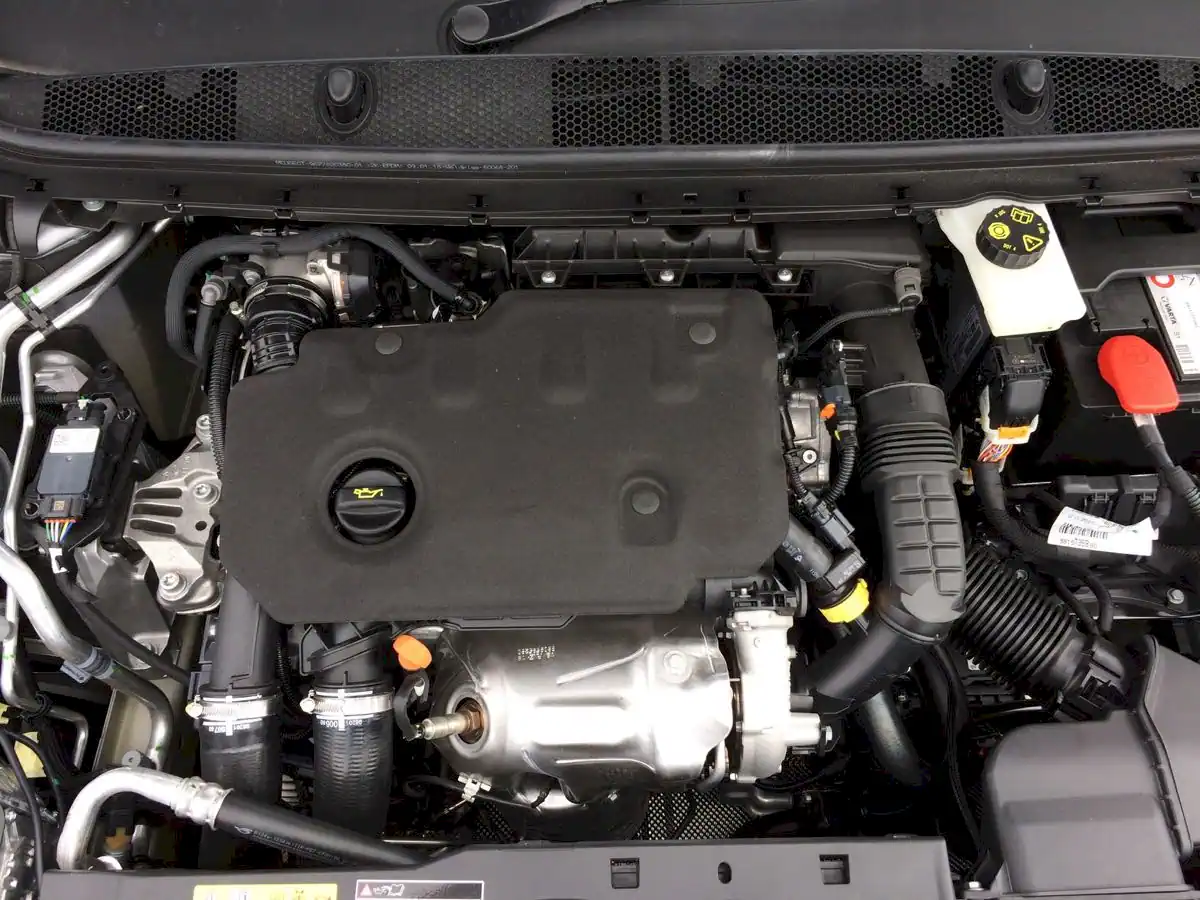
So far, no actual fire incidents have been reported. Still, drivers may notice warning signs such as rough idling, difficulty starting the engine, reduced power, or even higher fuel consumption. In some cases, the check engine light may also turn on.
As part of the recall, technicians will inspect the fuel injection system and, if necessary, replace components along with the high-pressure fuel lines. As expected, all repairs related to this issue will be carried out at no cost to the vehicle owner.
You may also be interested in the news:
Toyota Wanted a Reliable Engine — It Accidentally Built a 2,000-HP Monster
Toyota engineers may have gone too far with durability — and accidentally created the ultimate engine for hot-rodding.
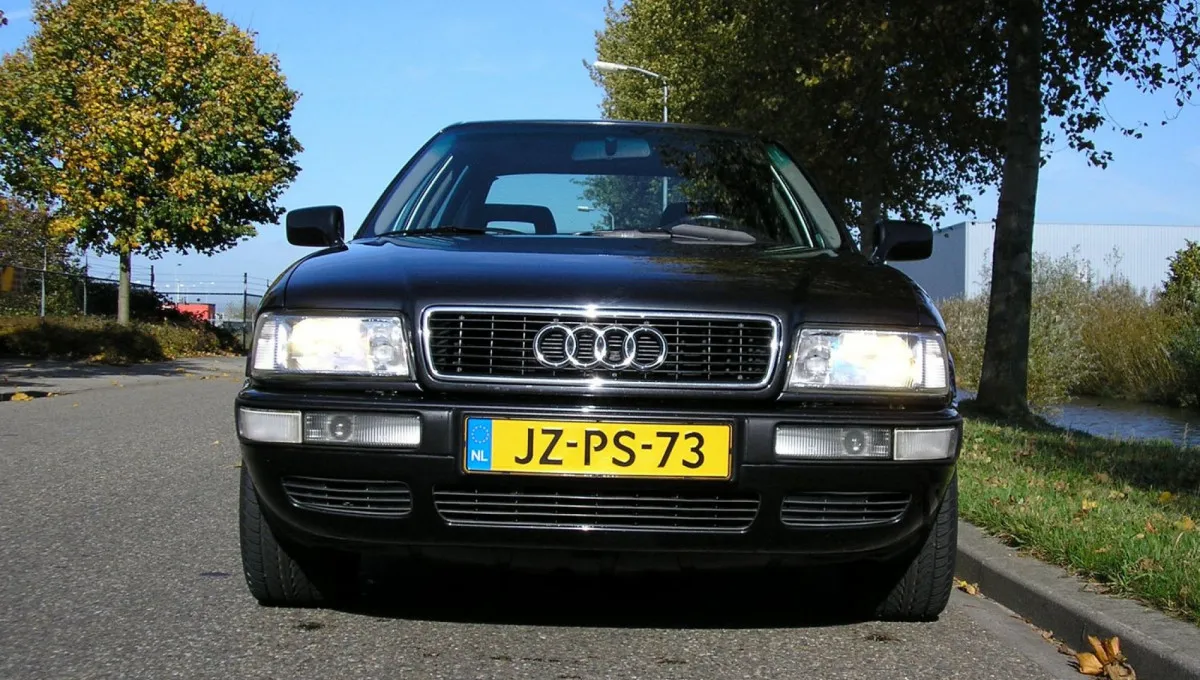
Audi 80 Has Covered Nearly 1 Million Kilometers With Its Original Engine
A 1991 Audi 80 is closing in on a mileage record.

Toyota's First Engine Was Copied From a Chevrolet
Toyota's first engine, the Type A, wasn't entirely Japanese—it was based heavily on a Chevrolet straight-six.
Million-Mile Engines: Why Four Legendary Motors That Outlived Their Owners Became History
Some engines become legends by surviving for decades, crossing millions of miles and proving nearly impossible to kill.
2026 Toyota Tundra Replacement Engine Failed, Raising New Questions About the Recall Fix
A 2026 replacement V35A engine has failed, raising fresh questions about Toyota’s Tundra recall fix.