
BMW Brings Humanoid Robots to the Factory Floor to Cut EV Production Costs
BMW begins using humanoid robots in factories, aiming to streamline production and reduce electric vehicle costs.
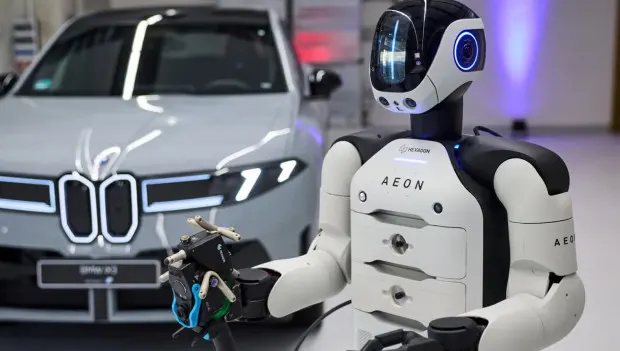
BMW has officially begun integrating next-generation humanoid robots into its manufacturing process, marking a major shift in how vehicles—especially EVs—are built. After successful pilot programs in the United States, the company has introduced AEON robots at its Leipzig plant, developed in partnership with Hexagon Robotics.
Unlike traditional industrial robots—large, fixed machines typically confined to safety cages—these new humanoid units stand about 5 feet 7 inches to 5 feet 11 inches tall and can move freely across the factory floor. That mobility allows them to handle a wider range of tasks without requiring major infrastructure changes.
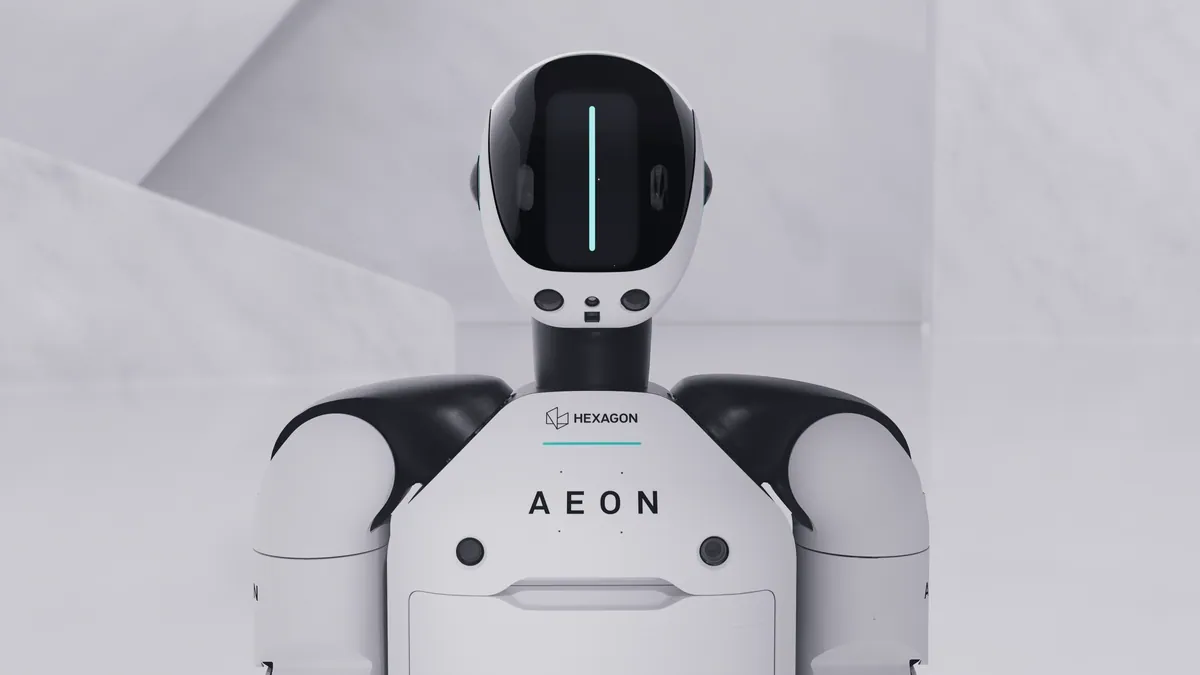
What sets AEON apart is its use of artificial intelligence and the “Insight” software platform, developed by researchers at the University of Zagreb. This system enables real-time adaptability: when production line conditions change, the robots don’t stop—they adjust automatically.
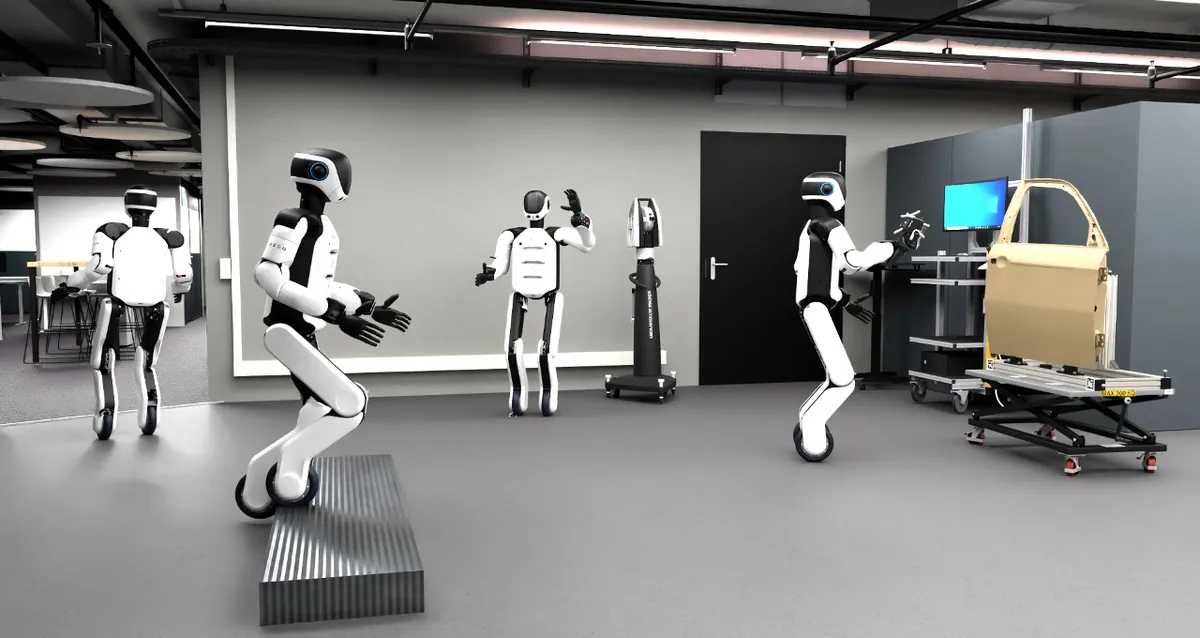
That flexibility is especially valuable in electric vehicle manufacturing, where frequent updates to models have traditionally required expensive retooling. With the new system, switching to a different model can be as simple as installing updated software.
The rollout is part of BMW’s broader iFACTORY initiative, which aims to make production more digital, efficient, and environmentally friendly. Early results are notable: material waste has been reduced by about 50%, and assembly times per vehicle have dropped significantly.
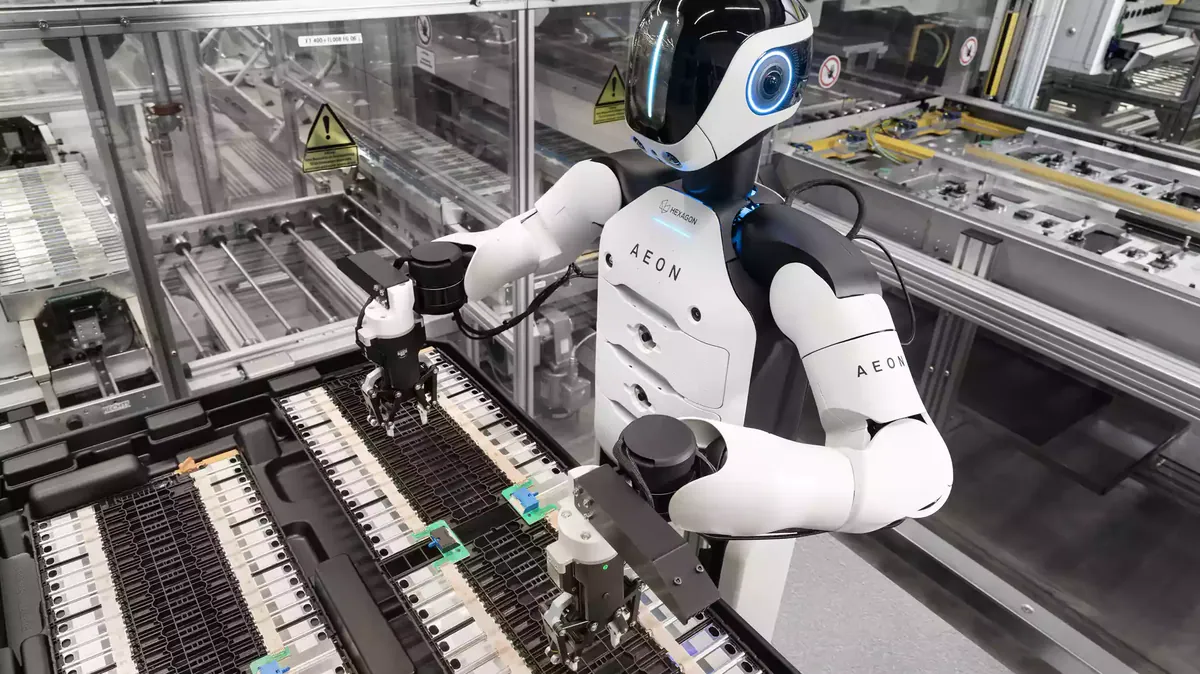
The technology is already proven in real-world use, having contributed to the production of more than 30,000 vehicles. BMW is betting on flexible, intelligent systems—arguing that the future of auto manufacturing will depend less on factory size and more on the capabilities of advanced robotics.
You may also be interested in the news:
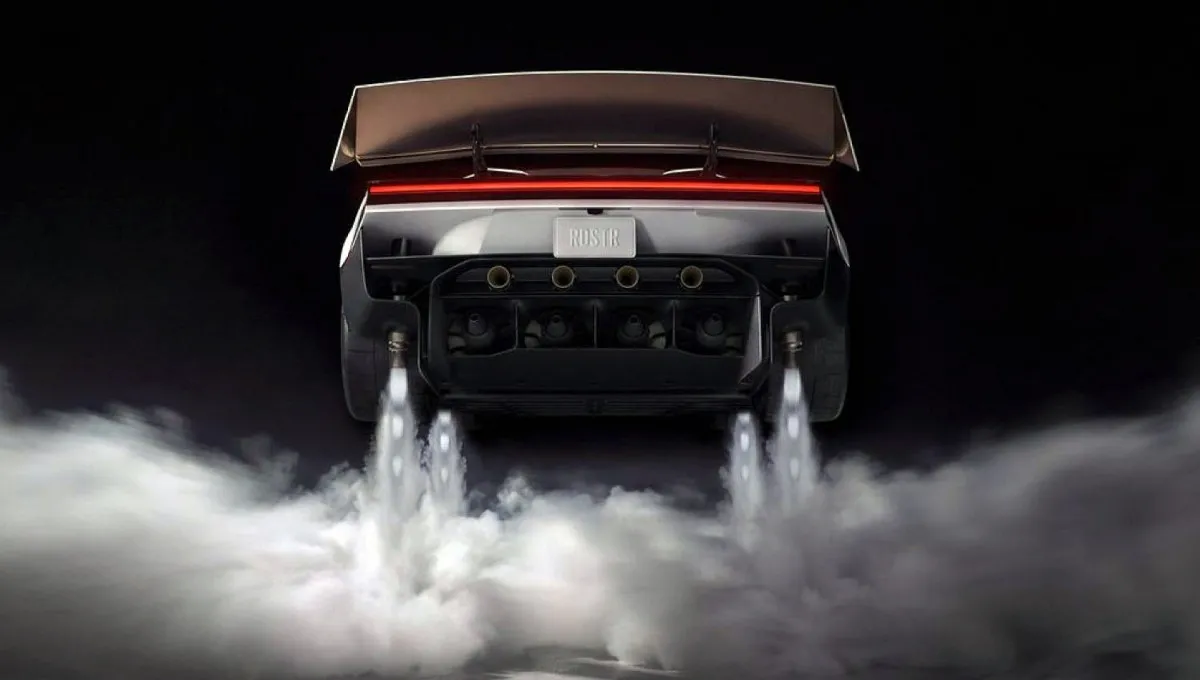
Tesla’s New Roadster Can Fly, but That May Be the Least Impressive Thing About It
Nearly a decade after Elon Musk unveiled the next-generation Roadster, Tesla has finally revealed its most outrageous capabilities.
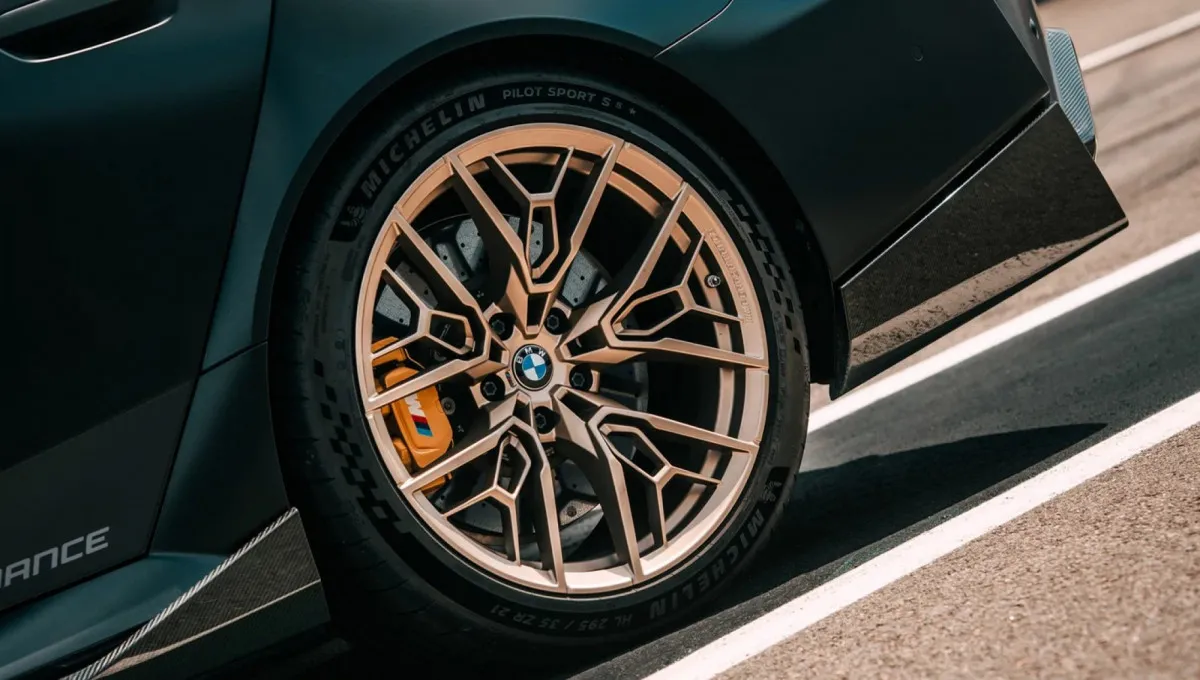
BMW Develops Ultra-Lightweight Wheels for the M5
BMW's new high-pressure cast wheels promise lower weight, improved strength, and more aerodynamic designs when they arrive this fall.
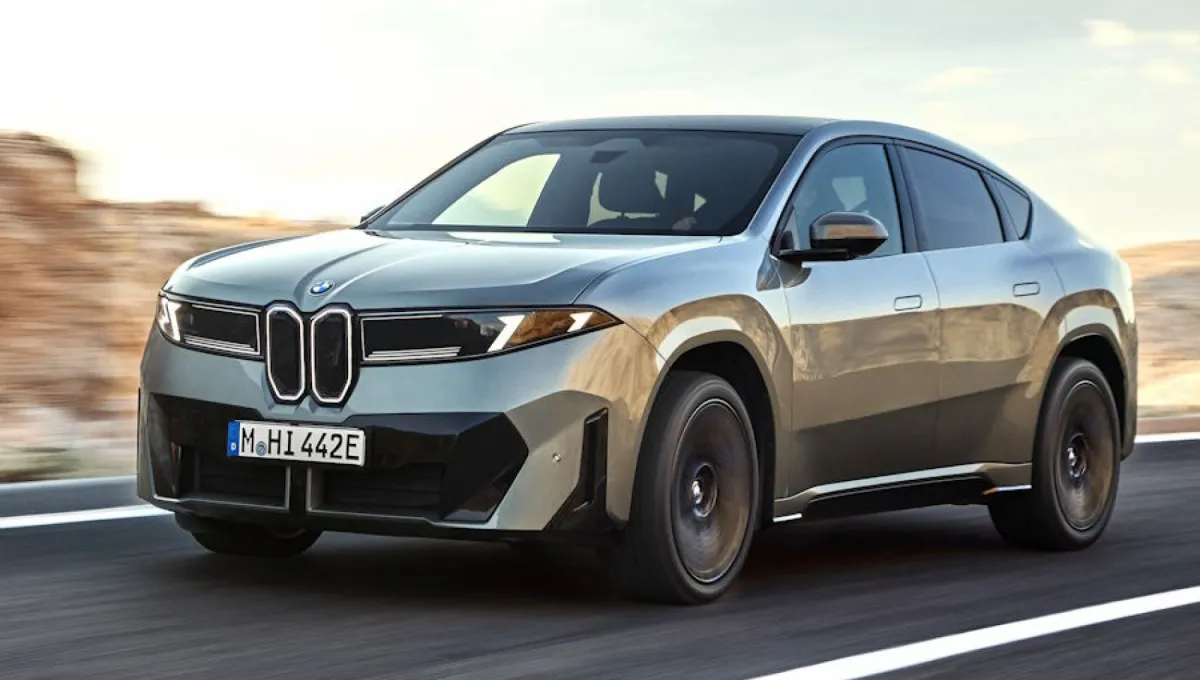
BMW Adds Another Electric SUV: Meet the New iX4
BMW has unveiled the all-electric iX4, a new SUV coupe arriving in 2027, with European pricing already announced.
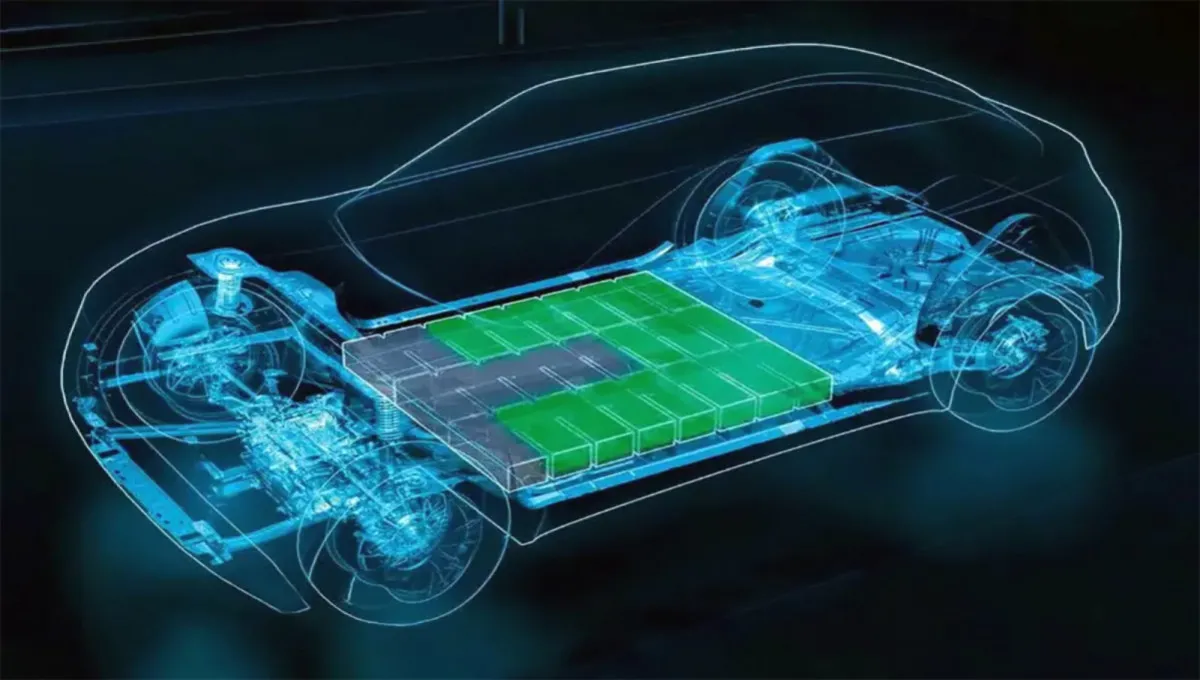
Stellantis Patents System That Lets an EV Drop Its Battery and Drive Away
A new patent details an emergency system that could let an EV disconnect its high-voltage battery and move away from danger.
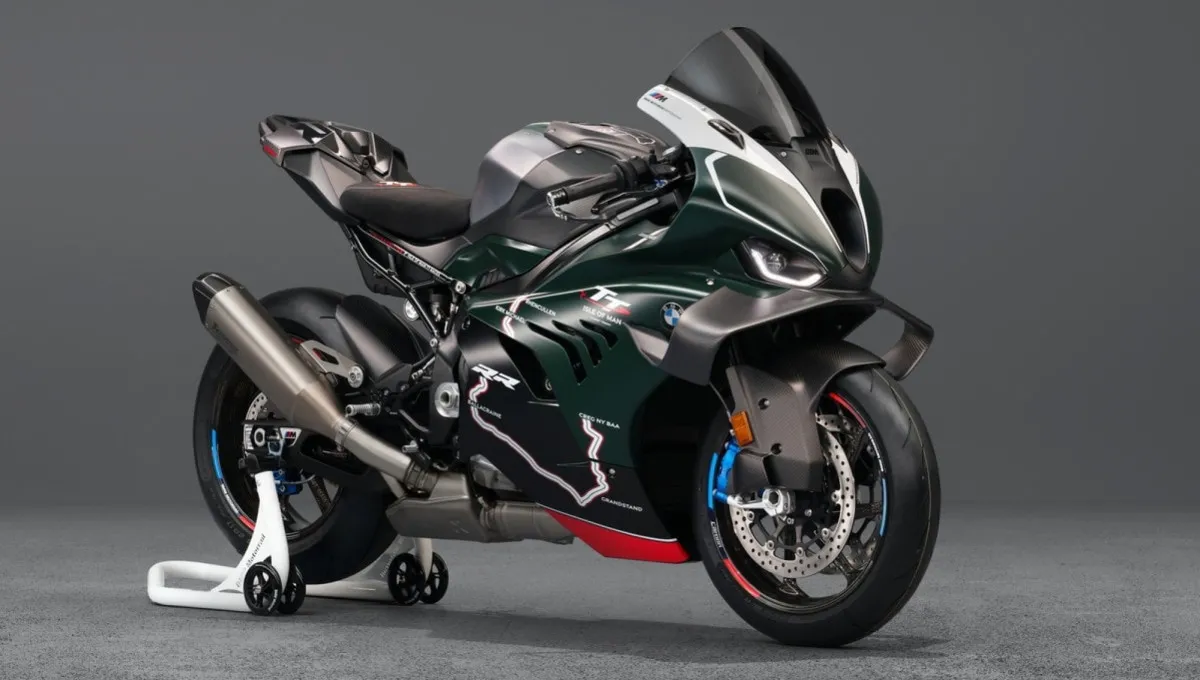
BMW’s $50,000 M 1000 RR Isle of Man TT Edition Is Coming to the U.S. With Just 115 Bikes Built
BMW is bringing a limited-edition M 1000 RR to America, with just 115 motorcycles available worldwide.