
Volkswagen in China closes forever: the German carmaker could not withstand the competition
Volkswagen is preparing to close a plant in China for the first time due to increasing competition.
For the first time in its history on the Chinese market, Volkswagen is preparing to completely shut down one of its manufacturing plants. The plant in Nanjing, jointly operated with SAIC Motor, has already suspended car production, and the official shutdown is scheduled for the end of 2025. Business publication Handelsblatt reports, noting that the German conglomerate has not faced a similar precedent in China before — enterprises were previously either upgraded or transferred to other owners.
The closure is primarily associated with logistical difficulties and architectural constraints: modernizing the plant for electric vehicle production proved to be economically unfeasible. Opened in 2008, the facility had a design capacity of up to 360 thousand cars per year. Volkswagen Passat and Skoda Superb sedans, primarily aimed at the domestic market, were assembled here.
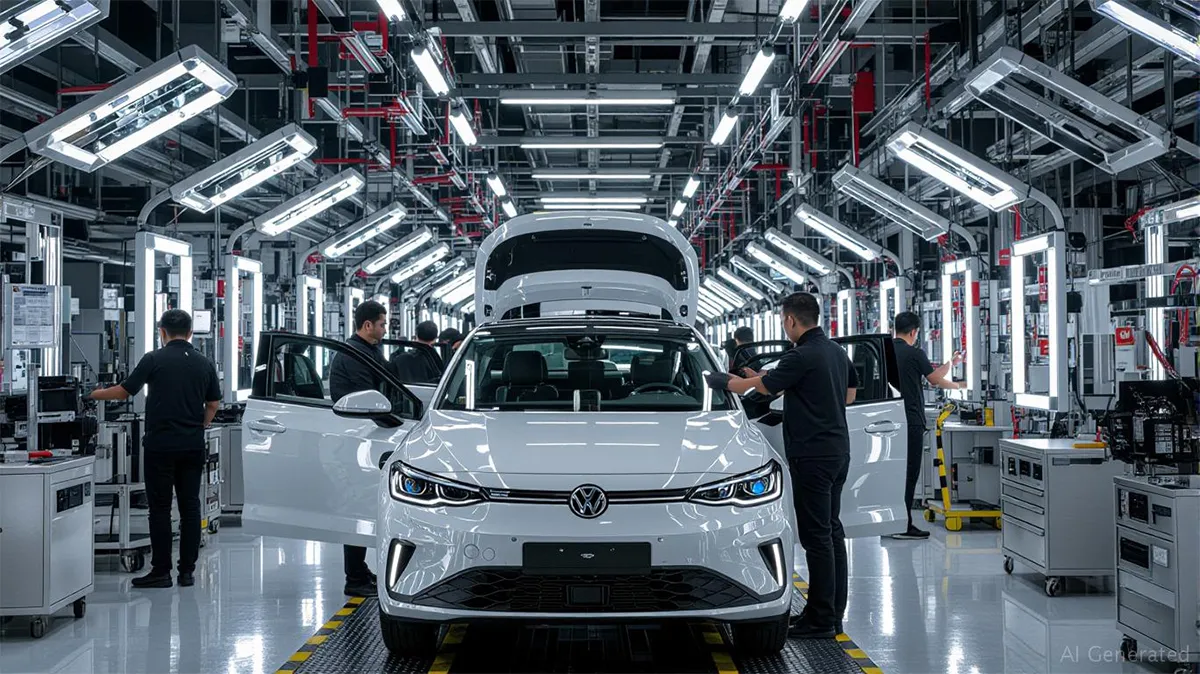
Production capacity will be relocated to the more technologically prepared city of Yizhen, which will accelerate the transition to electric vehicle production — a priority focus for VW amid the transformation of the global automotive industry. This decision can be seen as a reflection of a broader strategic adjustment: the conglomerate is moving away from attempts to adapt outdated sites and is instead betting on new factories, initially designed to meet the needs of the "green" lineup.
- It's worth noting that Jeep is also leaving China: Stellantis is winding down production.
Interestingly, in 2024, Volkswagen already vacated another site in China — the plant in Xinjiang, but there it was a question of selling the asset, not a complete liquidation. The context today is different: the Chinese car market is rapidly changing, and local electric car manufacturers, such as BYD, Nio, and XPeng, are showing significant growth, displacing international brands in budget and mid-range segments.
In such conditions, abandoning low-margin productions and reorienting to more flexible sites seems not only justified but also a necessary step. In China, which has already become the largest electric car market in the world, maintaining positions requires a high speed of adaptation, and Volkswagen, apparently, is ready for these challenges.
You may also be interested in the news:
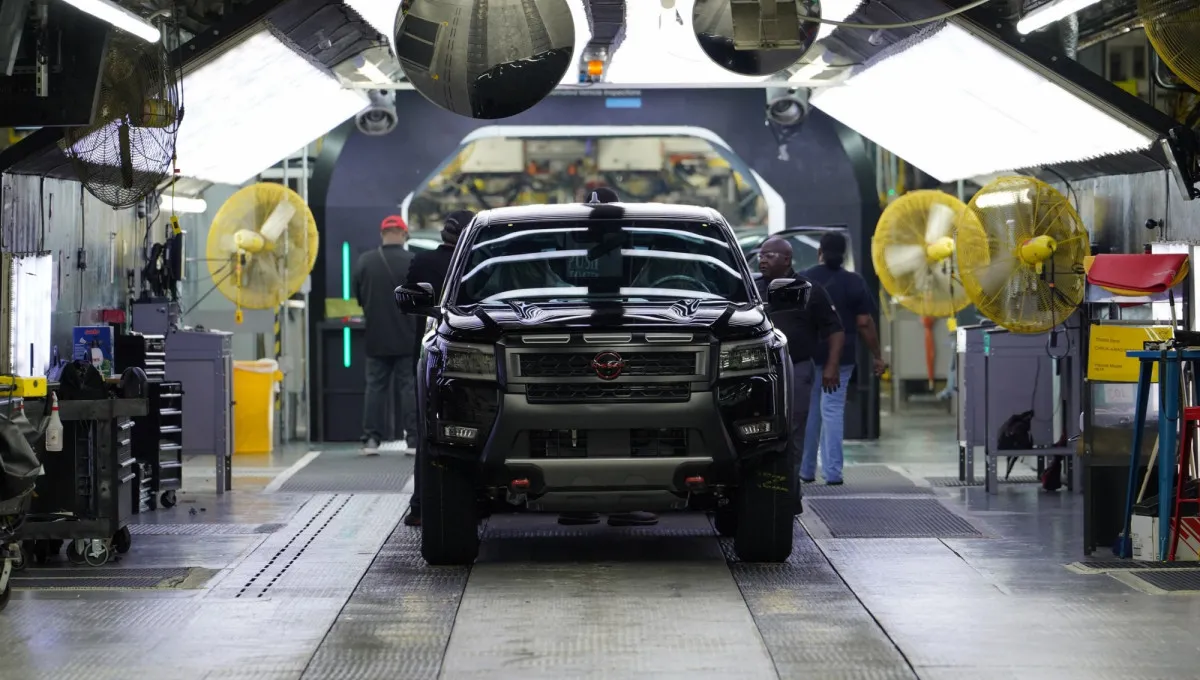
Nissan Restarts US-Made Murano, Pathfinder, Frontier Sales in Canada
Nissan resumed Canadian sales of three U.S.-built models, but tariffs keep supply below earlier levels.
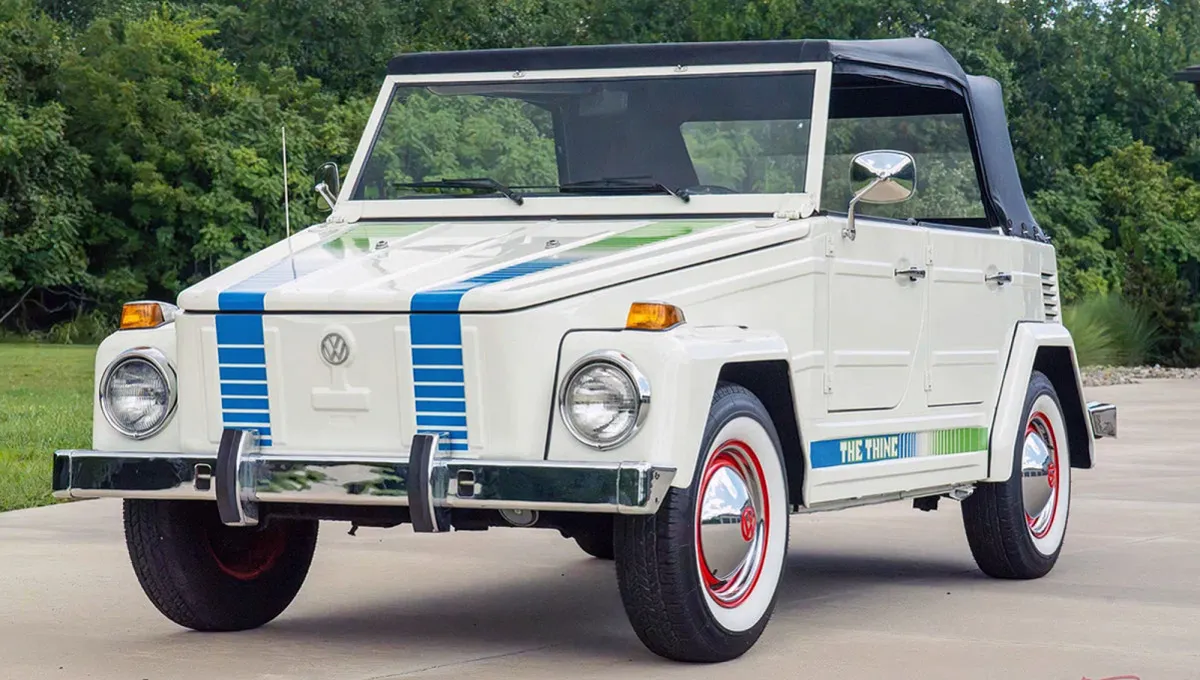
This Weird 1973 Volkswagen Has No Reserve—and It Could Sell for Thousands
A rare 1973 Volkswagen Thing will cross the auction block in the U.S. later this month with no reserve.
Suzuki Wants to Develop New Cars Twice as Fast—And AI Will Help Make It Happen
Suzuki is planning a major overhaul of vehicle development as it looks to bring new models to market faster.
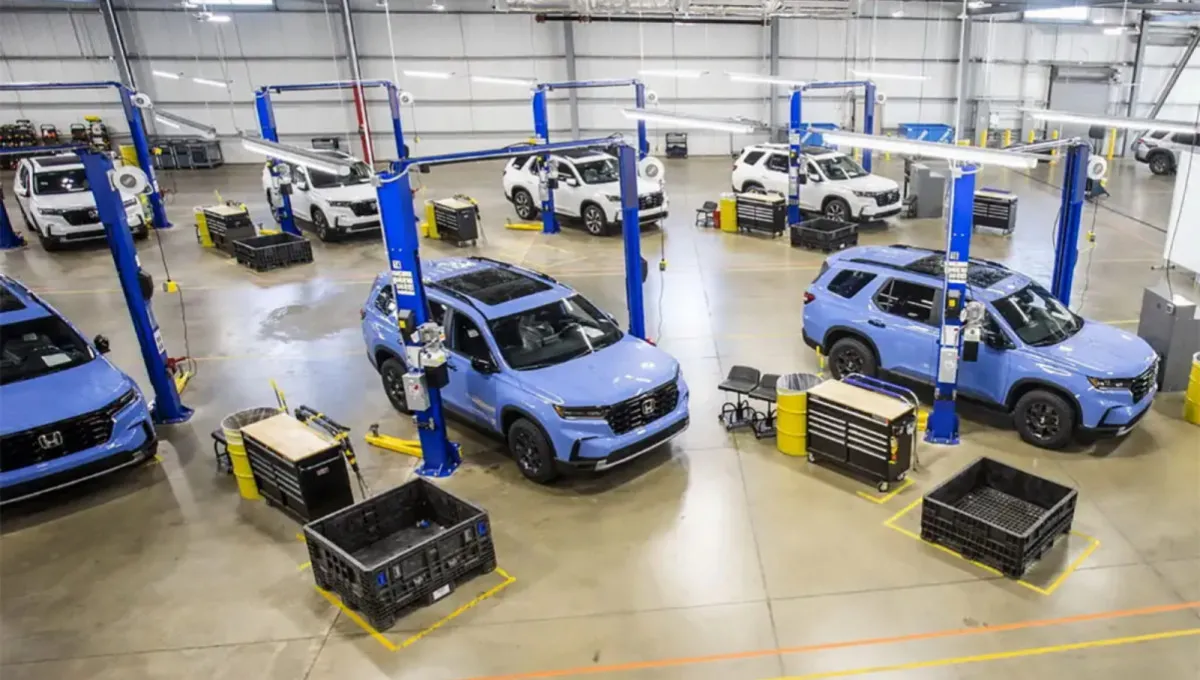
Honda Is Rethinking Its Future SUVs—and a Massive New Ohio Plant Is Coming
Honda is planning a major Ohio expansion as it shifts its future lineup toward larger hybrid SUVs.
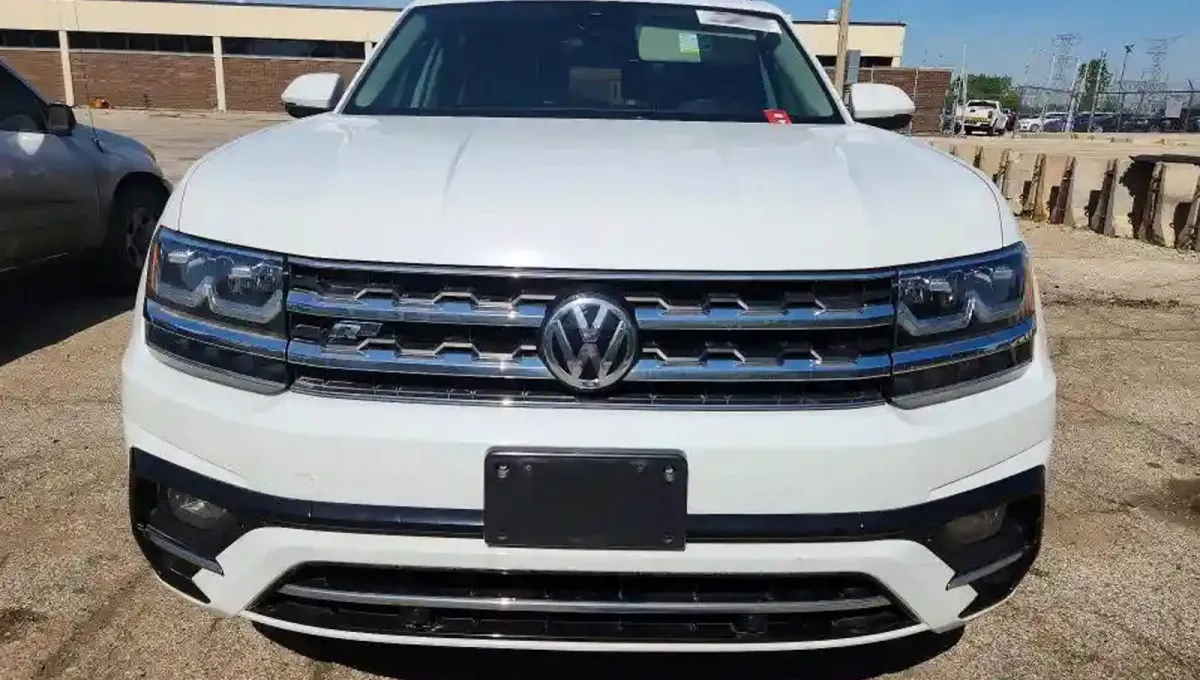
Volkswagen Recall Bombshell: 250,000+ Vehicles Hit by Steering Failure and Sudden Engine Stall Risks
Volkswagen is recalling more than 250,000 vehicles in the U.S. over steering, software and engine-stall concerns.