
How to Polish Yellowed Car Headlights Yourself: A Handy Tip for Americans
Over time, car headlights can yellow and become cloudy due to exposure to the elements. Regular maintenance is key to keeping them clear.
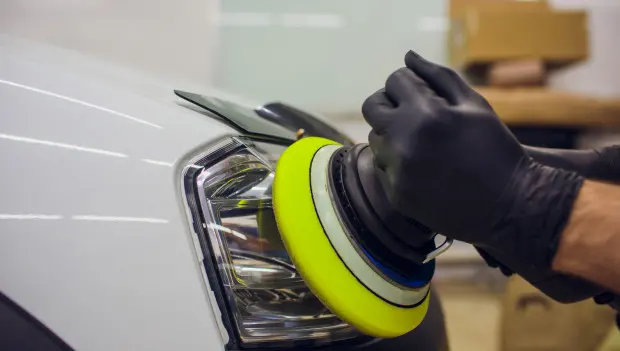
Car headlights gradually yellow and become cloudy when exposed to the environment. To prevent this, they need proper care. In this article, we’ll explain how to polish headlights at home.
Cloudy headlights aren’t just an aesthetic issue—they can also affect driver and passenger safety. That’s why it’s crucial to keep them in good condition.
Ways to Restore Headlights
There are a few ways to do it yourself:
-
Manual sanding
-
Using a polishing machine
Consider not only the time and money involved but also your own experience. If you’ve never polished anything before, you could accidentally damage the plastic or the front bumper.
Each method has its pros and cons. Manual polishing is cheaper but riskier, while a polishing machine can restore plastic faster, though it’s more expensive and requires some mechanical knowledge.
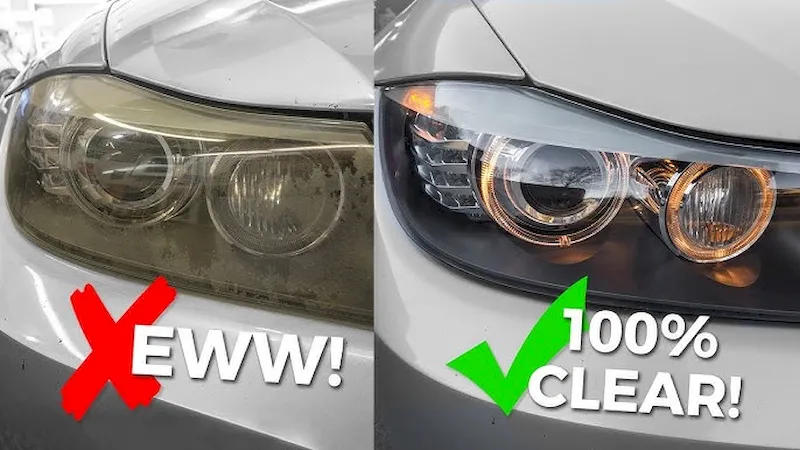
Assess the Plastic Condition
First, evaluate the condition of your headlights. If the plastic is heavily worn, you’ll need to remove the damaged top layer using a coarse abrasive.
If the headlights look relatively “fresh” and have no deep damage, skip the sanding step and go straight to polishing. Clean the headlight module of dirt and dust. Use painter’s tape to protect surrounding surfaces. Proper polishing requires a fair amount of tools and materials.
What You’ll Need to Polish Headlights
Simply wiping with a sponge isn’t enough. You’ll need:
-
Specialized abrasive paste
-
High-density foam sponge (choose a neutral color, as pigments can react with chemicals and damage the plastic)
-
Finishing polishing paste
-
Lint-free cloth
-
Rags for cleaning
Use the sponge and abrasive paste to sand the surface, removing deep scratches and imperfections. Work quickly on small sections so the paste doesn’t dry out; if it thickens, moisten it with water.
After sanding, the headlight should have a uniform matte finish. No scratches or damage should remain. If some areas still look uneven, repeat the sanding.
Next comes polishing. Apply polishing paste and buff the surface with a lint-free cloth, then finish with a rag. Ensure the matte haze is gone and the surface is smooth.
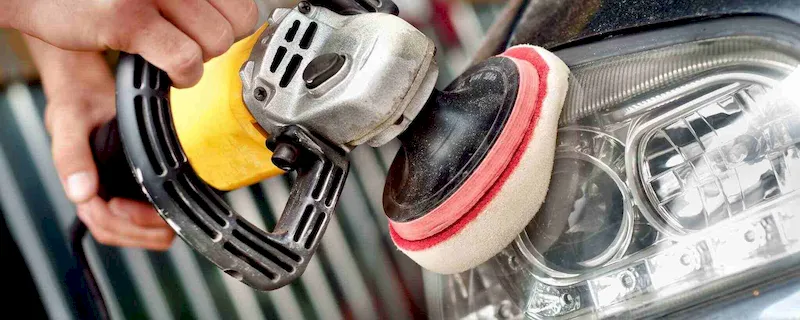
Polishing with a Machine
A polishing machine can speed up the process. You can buy one at any auto parts store or online marketplace.
Important: Do not use drills or screwdrivers with special attachments—they spin too fast and aren’t adjustable, which can overheat the plastic and ruin your headlights.
You’ll need:
-
Polishing machine
-
Abrasive polish
-
Finishing polish
-
Hard polishing pad
-
Soft polishing pad
-
Microfiber cloth
-
Clean rags
Apply the abrasive paste and start polishing with the hard pad. Keep the speed under 2,000 RPM to avoid damaging the headlight. The process should take no longer than four minutes.
Rinse off the polish, switch to the soft pad, and polish again with the abrasive compound. There should be no matte or rough spots left.
For the final stage, use the soft pad with finishing polish. Add water to reduce friction and achieve a smooth, glossy surface.
Always follow safety guidelines while polishing. If you’re unsure of your skills, it’s best to leave the job to professionals.
Previously, we shared a life hack for polishing headlights at home using lemon and baking soda.
You may also be interested in the news:
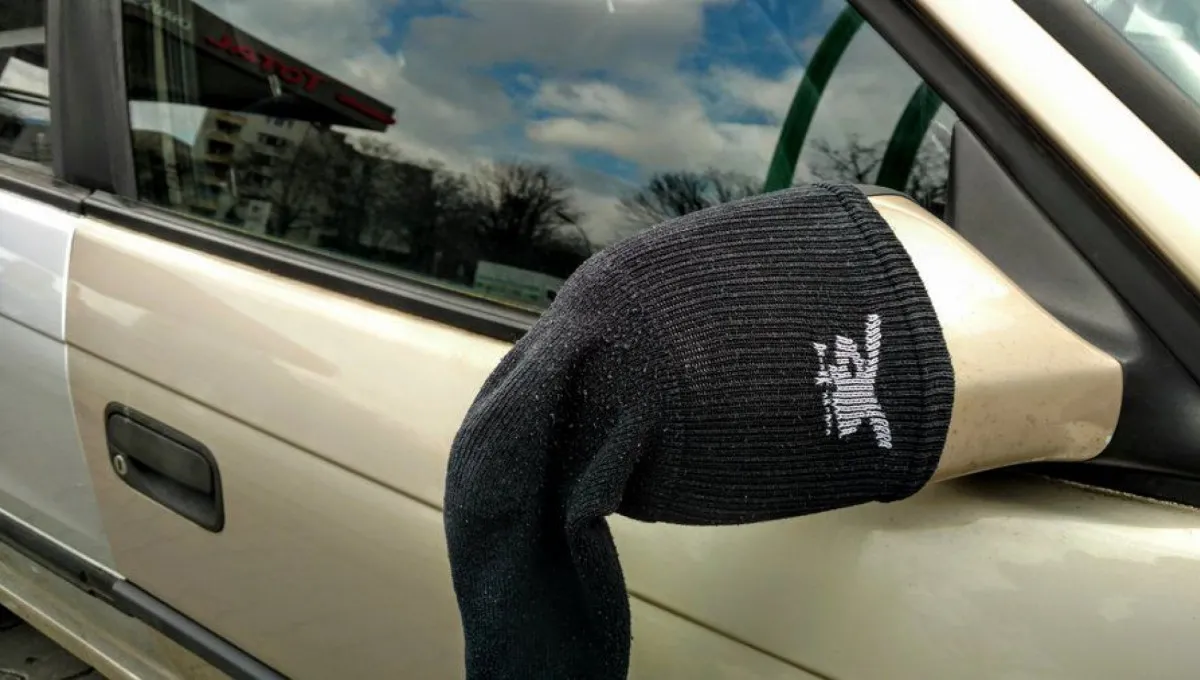
Why Experienced Drivers Put Socks on Their Car Mirrors in Fall: The Clever Trick Explained
An old pair of socks can help reduce frost buildup on your side mirrors overnight, saving time on cold mornings when every minute counts.
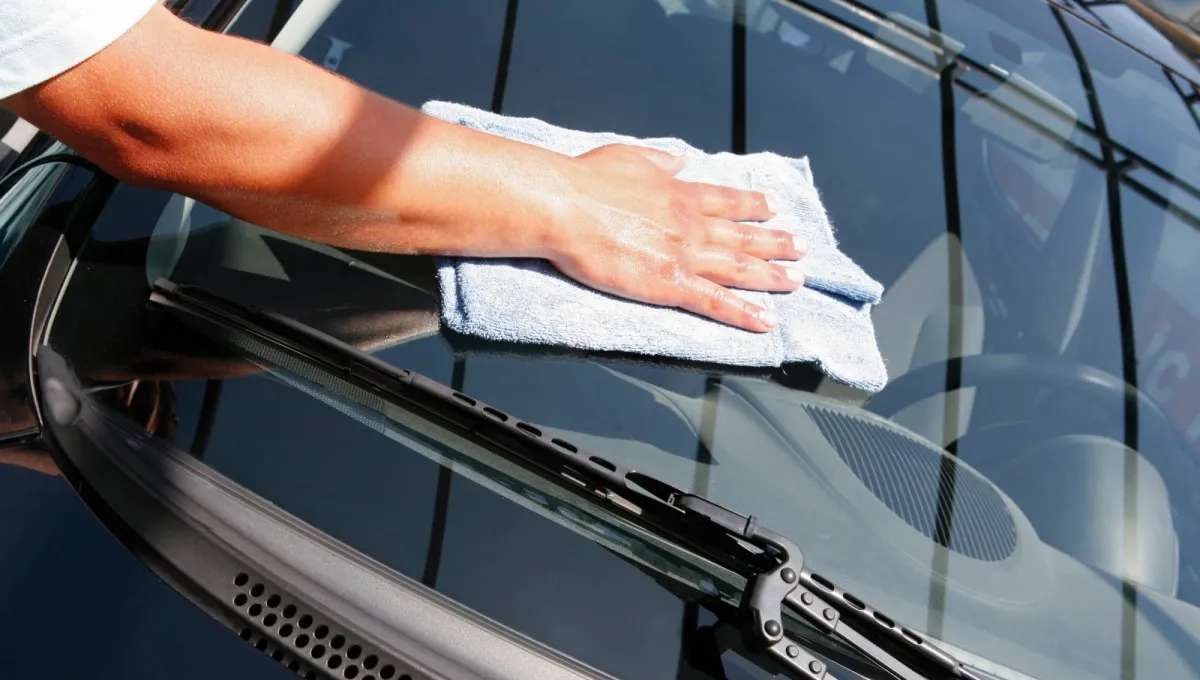
How to Clean Your Windshield Without Streaks: Experts Recommend This Simple DIY Mix
The secret to a streak-free windshield comes down to the right cleaning solution, two microfiber cloths, and the proper drying technique.
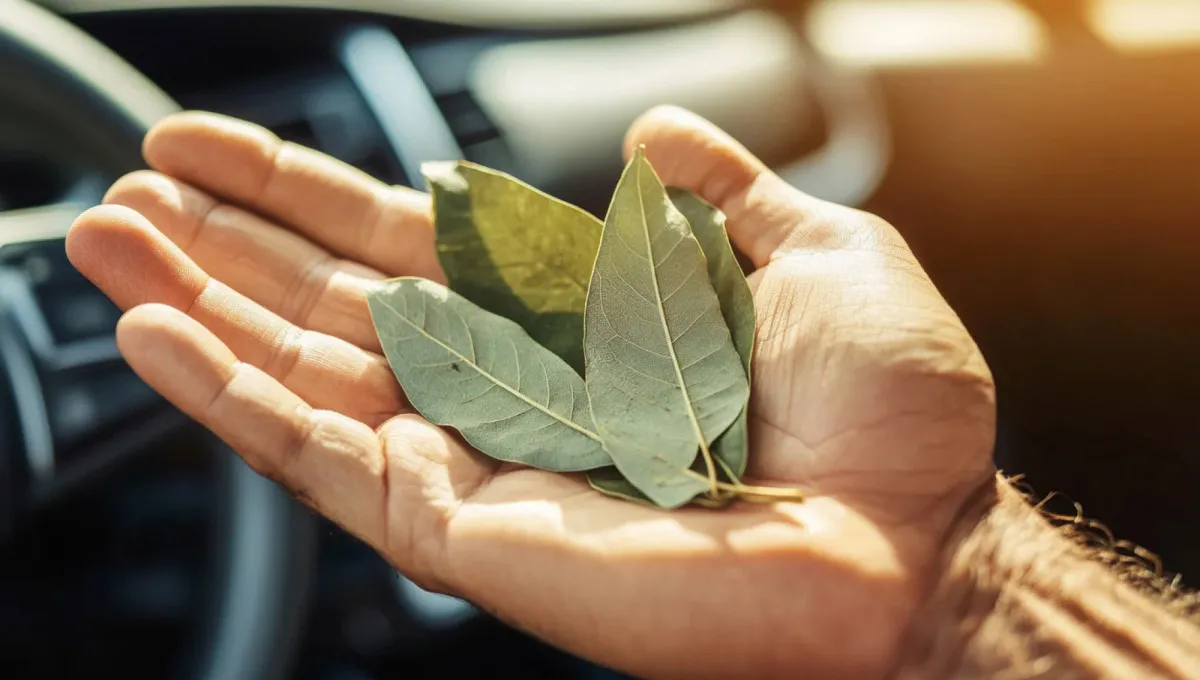
Why Some Drivers Keep Bay Leaves in Their Cars — It’s Not Just About Superstition
Can a common kitchen spice help repel bugs, freshen your car’s interior, or even help you relax behind the wheel?
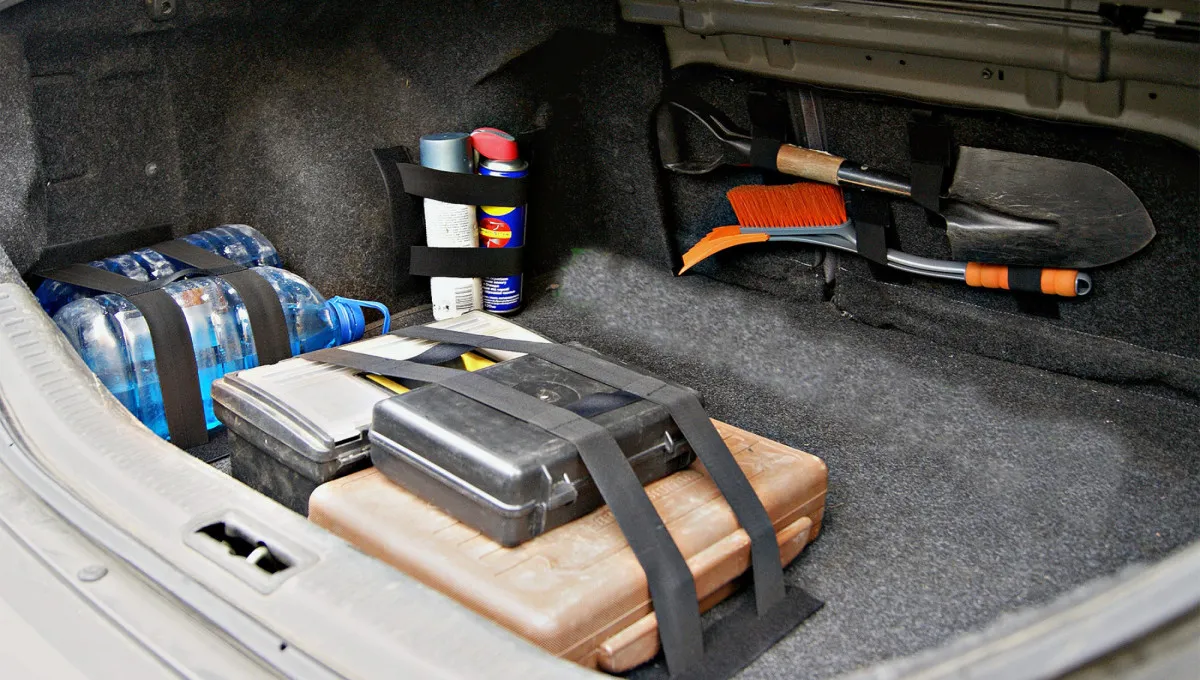
Cold Weather Can Leave You Stranded — 5 Things Every Driver Should Have in Their Car
The first hard freeze can catch drivers off guard. Here's what to keep in your vehicle and how to prepare your battery, tires, and fluids for colder weather.
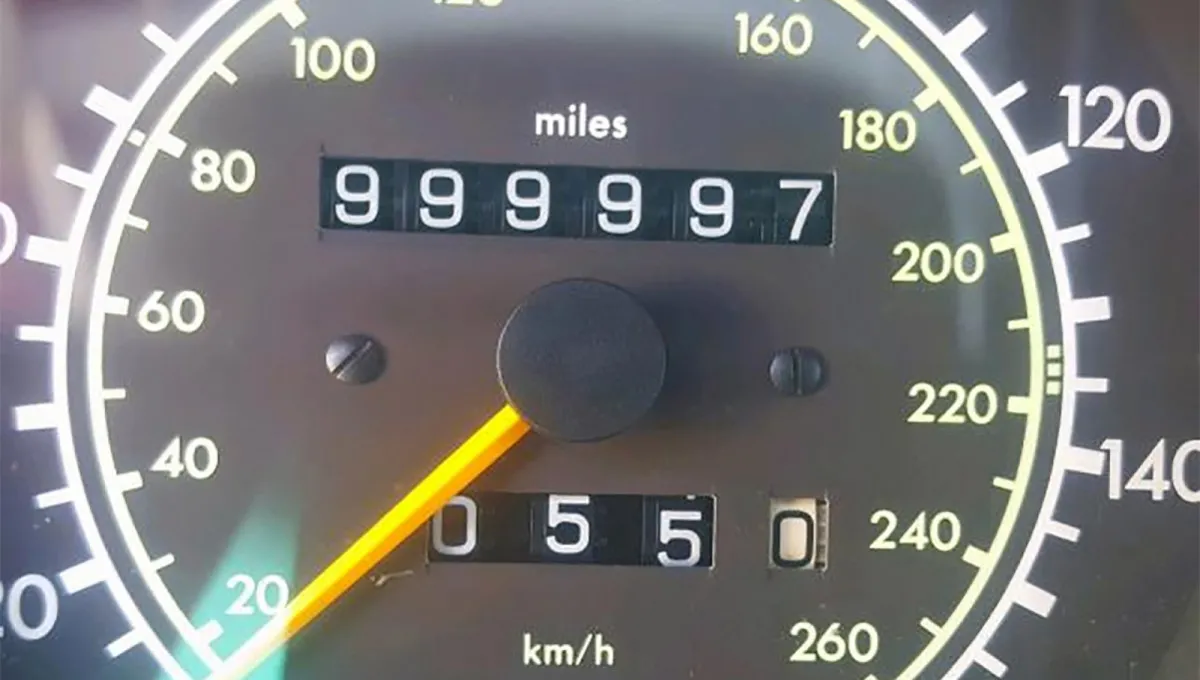
These 8 Cars Went Over 1 Million Miles — They Just Don’t Build Them Like They Used To
Some cars outlast generations of owners, proving that careful maintenance and durable engineering can deliver extraordinary mileage.