
They Don’t Make ’Em Like This Anymore: Five Car Features You Won’t Find on Modern Vehicles
Hard to imagine now, but there was a time when drivers didn’t have any of the conveniences we take for granted.
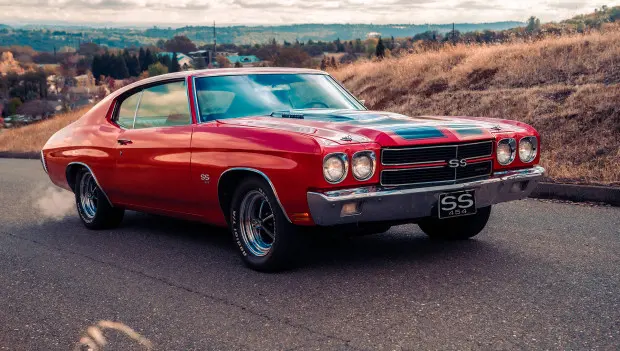
Hard as it may be to believe today, drivers once stepped into their cars on sweltering summer days without air conditioning, and climbed into ice-cold interiors in the dead of winter with no heated seats in sight. So how did people manage before the comforts of the modern car era?
They relied on a very different set of gadgets—many of them long forgotten, yet surprisingly clever.
1. Automatic Chassis Lubrication
Anyone who drove a mid-1950s Lincoln—models like the Premiere or Capri—might remember a particular maintenance quirk of that era. Big American cars had suspension systems with numerous lubrication points, which typically required owners to grease them by hand. Keeping the joints properly lubed was essential for a smooth ride and to avoid premature wear.
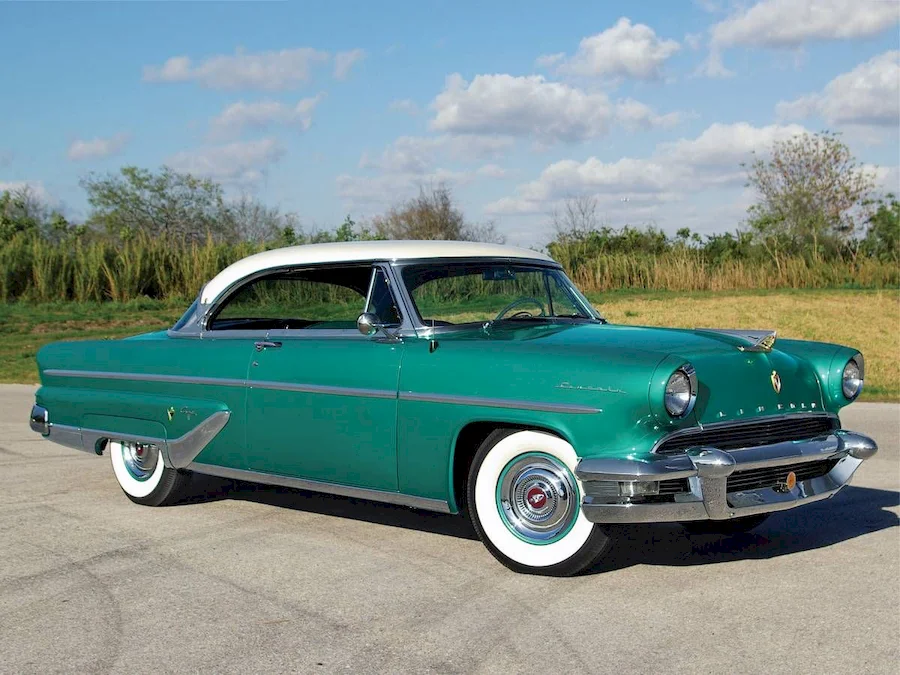
To simplify things, Ford Motor Company offered a factory-installed centralized chassis-lubrication system on select Lincoln models. Called the Automatic Multi-Luber, it was developed with Lincoln Industrial, a company specializing in lubrication equipment. The setup included a grease reservoir and a network of lines leading to key points in the suspension.
To activate it, the driver simply pressed a button on the dashboard. A built-in mechanism would send fresh lubricant through the system, meaning no jack, no crawling under the car, and no tools required.
For do-it-yourself owners, this was a luxury in its own right—maintenance at the touch of a button, fitting for Lincoln’s upscale image.
The system eventually disappeared from new models. Documents don’t spell out the exact reasons, but the Multi-Luber never spread beyond a few model years. According to Auto30.com, similar systems were also used on Mercury models of the era, and the Multi-Luber could even be purchased as an aftermarket kit for certain Ford and Chevrolet vehicles.
2. Water-Based Car Air Conditioners
Before factory A/C became standard, staying cool meant rolling down the windows and using pivoting vent wings to direct airflow into the cabin.
But in the U.S., another solution existed: water-evaporative coolers. These devices used the basic principle of evaporation—pulling heat out of the air as water turns to vapor. Early versions relied on materials like soaked wood shavings to aid cooling.
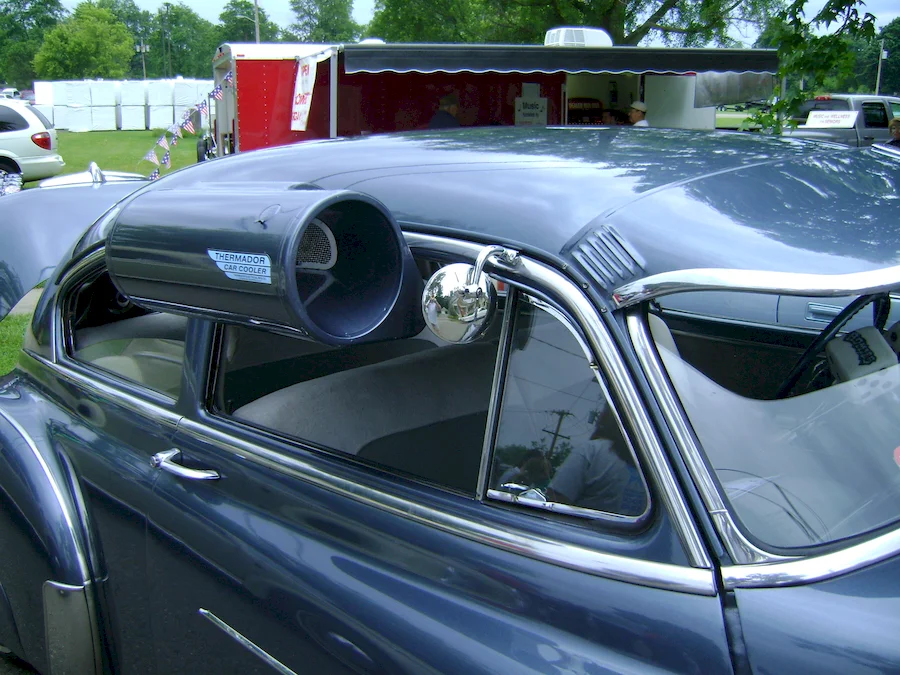
The first automotive water coolers were simple: an open water reservoir paired with an air scoop. As the car moved, airflow passed through the evaporator and into the cabin. These units were mounted on the side windows or on the roof.
They weren’t powerful—typically dropping interior temps by just 4–5 degrees—but in the pre-A/C era, that small difference was enough for the technology to survive into the early 1960s.
Initially, they only worked while the car was in motion. Later designs were tied to the vehicle’s electrical system and used a fan to push air through the evaporator. The driver just had to remember to refill the reservoir.
3. Automatic Seat Belts
The three-point seat belt was patented in the U.S. in 1951, anchoring the torso and hips with the buckle placed at the center. Volvo refined the idea in 1963, creating a version that could be latched with one hand, with the buckle sitting to the side near the hip. This design also introduced the now-standard inertia reel that locks the belt when the occupant lunges forward.
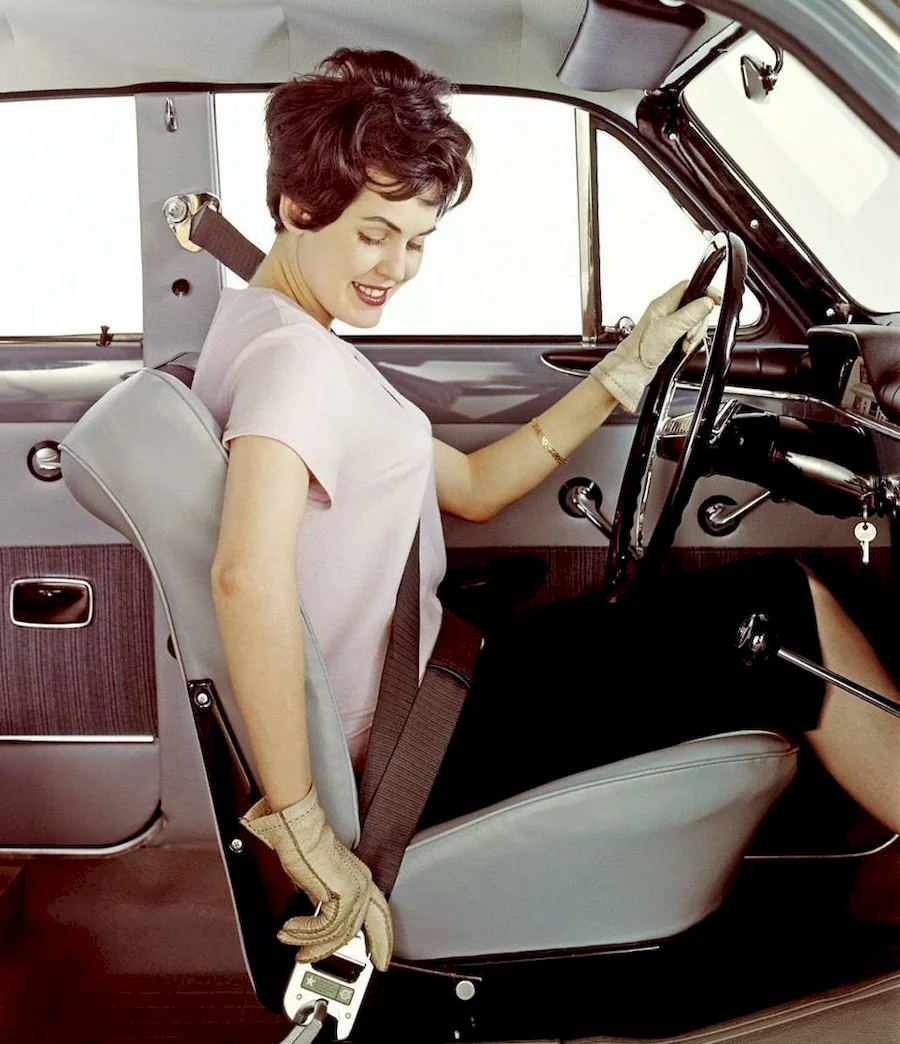
In the 1980s, American automakers went a step further and introduced automatic seat belts. Once the driver sat down and shut the door, a small electric motor would pull the belt into place across the shoulder along a track mounted on the roof or upper door frame. The system would then tighten automatically.
The spool for these belts was positioned differently than on today’s designs—mounted to the right of the driver’s seat—and the belt glided back and forth on its overhead track.
But these belts didn’t meet long-term safety expectations. They didn’t fit snugly enough, and their locking mechanisms weren’t very reliable. By the 2000s, automakers phased them out in favor of modern, more effective restraint systems.
4. Headlight Wipers
Many cars from the 1980s and ’90s came equipped with little wipers on the headlights. Their job was to clear snow and grime from the lenses—operating in an arc or straight up and down, separate from the windshield wipers. Brands like Mercedes, Volvo (notably the 240), and Rover SD1 offered them.
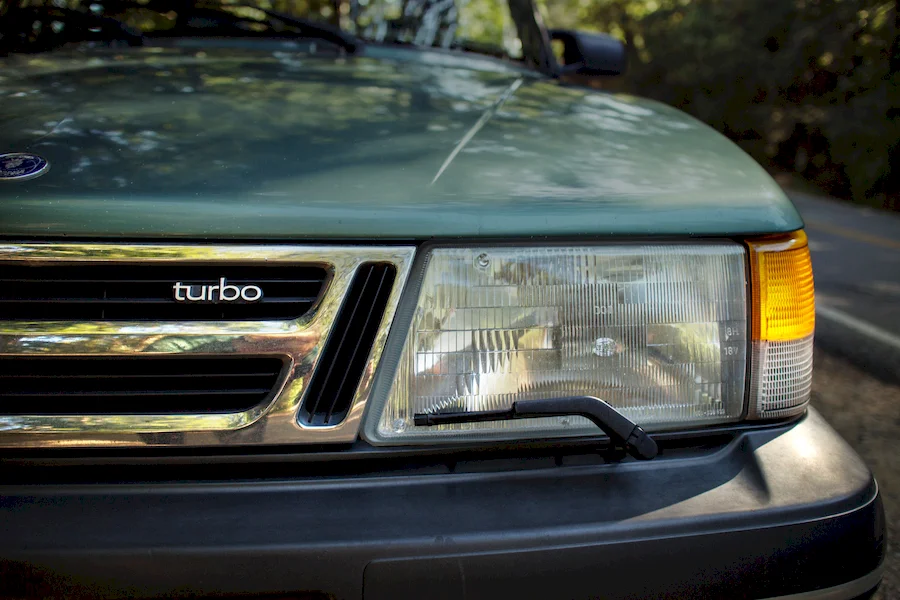
But as headlight design evolved, the tiny wipers struggled to keep up. Without washer fluid, they mostly just smeared dirt around. The biggest issue, however, was the shift from glass lenses to plastic covers. Plastic was safer and lighter, but its shape and flexibility didn’t pair well with mechanical wipers.
And just like that, headlight wipers faded into history.
5. Vacuum Ashtrays in Oldsmobiles and Others
Back in the mid-20th century, smoking behind the wheel was commonplace. Drivers often flicked cigarette butts out the window—sometimes only to have the burning ember blow right back into the car.
To solve this, some U.S. models, including certain Chevrolets from the 1950s, came with vacuum ashtrays.
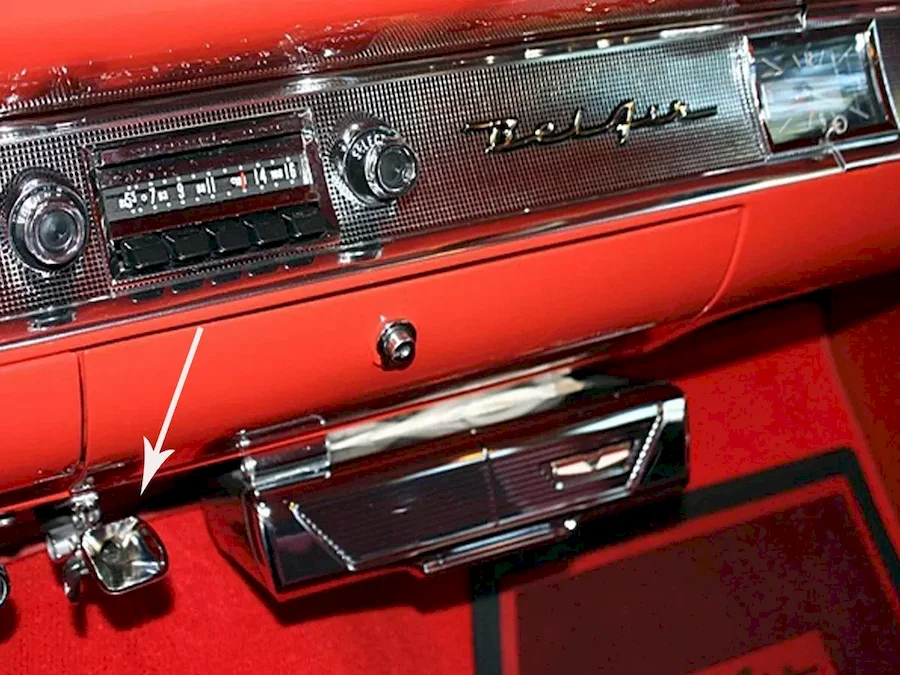
A glass jar mounted under the dashboard connected to a tube that sucked up ash and cigarette butts using vacuum pressure from the engine’s intake manifold. Pressing a valve on the dash activated the system, essentially turning it into a tiny built-in shop vac.
The downside? Someone still had to empty that jar. Reaching it under the dash wasn’t easy, and the smell of old butts building up inside the container became unbearable. Unsurprisingly, the feature eventually disappeared.
You may also be interested in the news:

Solving the Mystery of the Audi Nuvolari’s Massive Fuel Door Button
Audi’s striking Nuvolari supercar has an unusually large fuel door button, and its placement may reveal an unexpected connection.

Tow Truck Driver Reveals a Hidden Car Feature That Could Save Your Life in an Emergency
A professional tow truck driver revealed a little-known feature that can help drivers move a disabled vehicle to safety.
Pontiac's 1970 GTO Had a Wild Exhaust Option—Only 233 Cars Got It
Pontiac offered an unusual exhaust system for the 1970 GTO, but the factory option didn't last long.
Chrysler's Aluminum Slant 6 Engine: The Lightweight Experiment of 1961–1963
Chrysler built more than 50,000 cars with an aluminum-block Slant 6 before production challenges brought the project to an end.
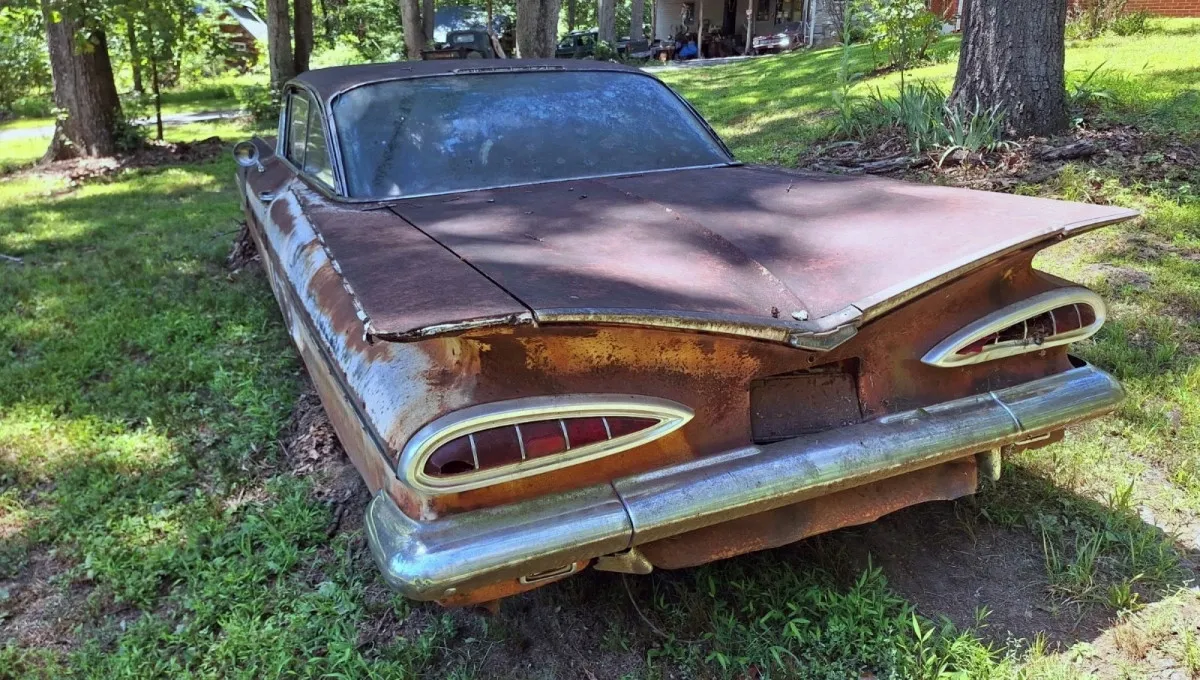
1959 Chevy Impala Parked in a Farm Begs for Restoration As Owner Decides To Let It Go
This 1959 Chevrolet Impala has landed online with one big mission: it must convince a skilled restoration guy to give it a second chance