
The Forgotten Eco-Giant: When Ford Tried to Save the Planet With a V10
This concept—called the Super Chief—was far more than a flex of horsepower.
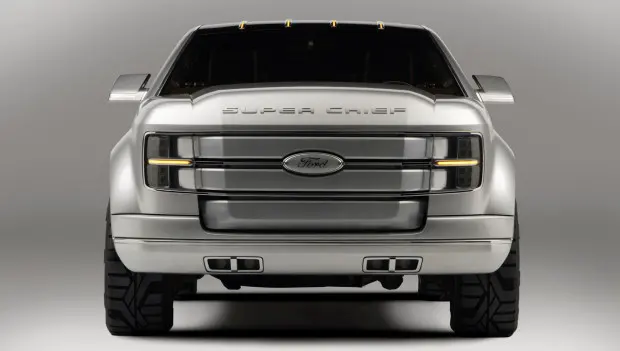
Today, the conversation around “green” mobility mostly revolves around EVs and hybrids. But nearly twenty years ago, Ford floated an idea that sounds almost unbelievable now: a massive F-250 pickup powered by a supercharged V10. The concept, named Super Chief, wasn’t a joke or a publicity stunt—it was pitched as an eco-friendly pioneer packed with tech that was ahead of its time.
The truck was built around the first-generation F-250, introduced in 1999, but that’s about where the similarities ended. The real star wasn’t its size—it was what lived under the hood. Engineers took the familiar 6.8-liter Triton V10 used in Super Duty models, added a supercharger, and paired it with a fuel system called Tri-Flex. The setup allowed the engine to run on hydrogen, E85 ethanol, or regular gasoline. A switch on the dash let the driver choose the fuel source; you could move from hydrogen to E85 or gasoline while driving, but switching back to hydrogen required a stop. The curious twist? The supercharger only kicked in when running on hydrogen—an amusing nod to the idea of pairing performance with environmental virtue.
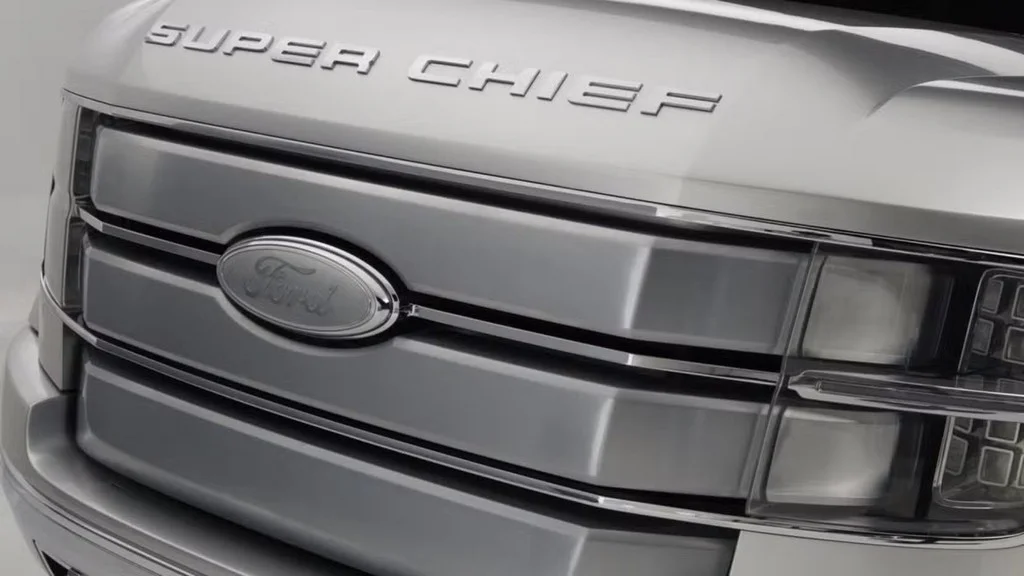
Output was rated at 280 hp and 400 lb-ft of torque on hydrogen, and 310 hp with 425 lb-ft on gasoline or E85. Ford claimed hydrogen improved fuel efficiency by about 12% compared with gasoline and dropped CO₂ emissions nearly to zero. One tank of hydrogen was said to deliver more than 500 miles of range. Ford wasn’t new to alternative fuels—they had already produced roughly a million E85-compatible vehicles—but making a hydrogen-powered pickup in 2006 was a bold move.
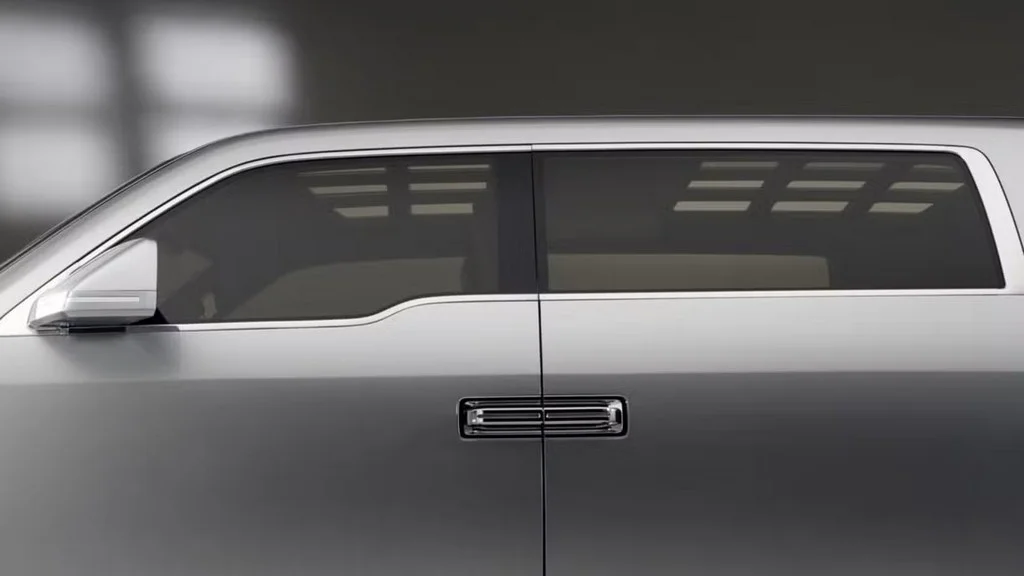
Visually, the Super Chief leaned hard into its futuristic mission. Its exterior took cues from the original Super Chief—the first diesel-electric passenger streamliner in America—resulting in a smooth, almost monolithic look accented with polished steel. Rear coach doors were wildly unconventional for a pickup, and the reworked platform gave the truck a space-age presence.
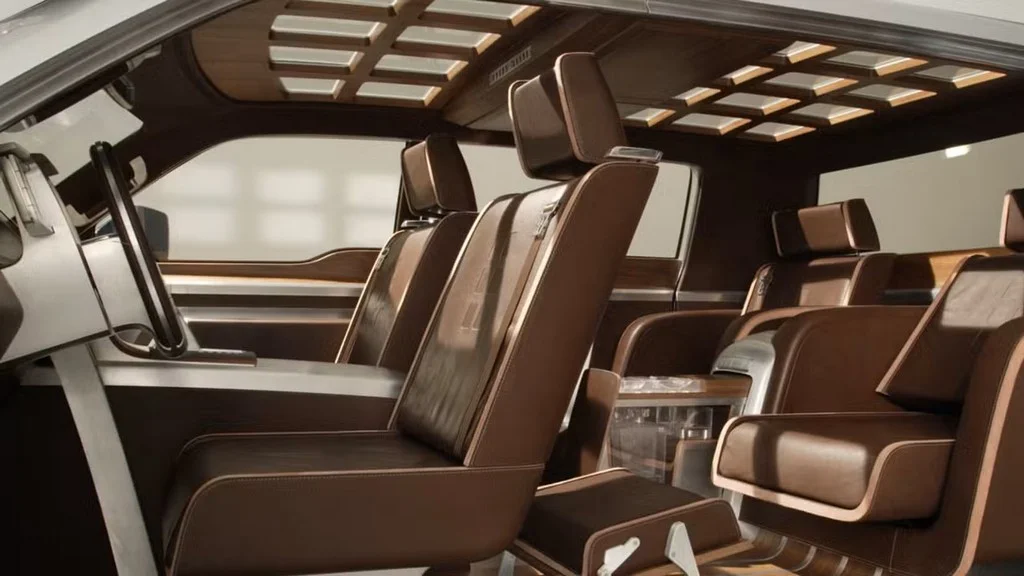
Inside, the cabin looked more like a luxury lounge than a working truck. Spinneybeck leather, American walnut, and matte aluminum dominated the space. Second-row passengers even had their own captain’s chairs with leg rests—an unheard-of level of comfort for something based on a Super Duty. And the concept wasn’t only forward-thinking in design. It pushed safety ahead as well: the BeltMinder system reminded all occupants to buckle up, including those in the rear—a groundbreaking idea in 2006. The BlockerBeam crash-protection structure, designed to shield the chassis in frontal collisions with smaller cars, still feels modern today.
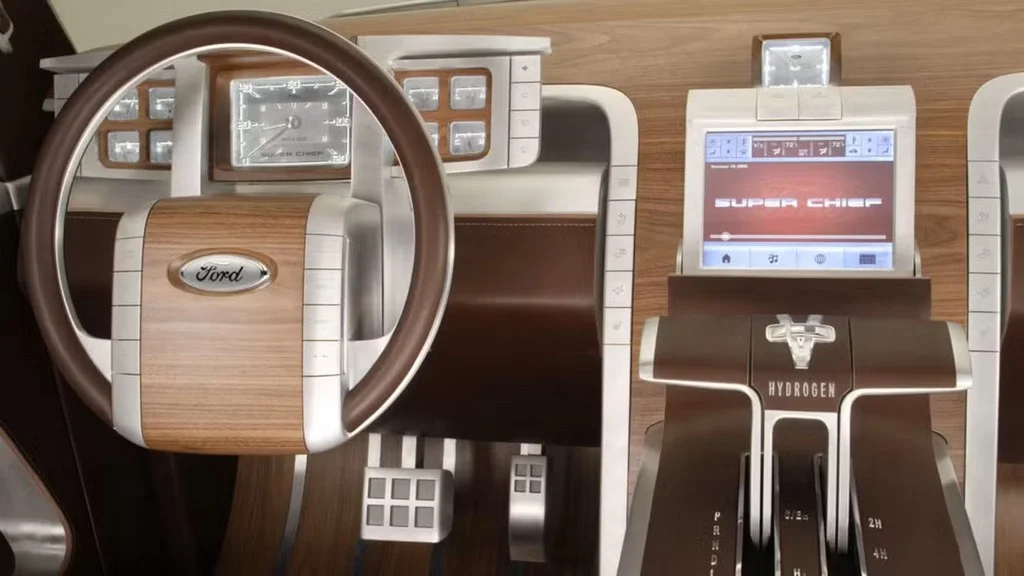
Sadly, the green giant never saw production. Ford’s financial struggles at the time forced the company to retreat from many of its more ambitious environmental programs. Market realities—and the lack of hydrogen fueling stations—ultimately shut the project down. Still, traces of its spirit linger in today’s Ford trucks, which continue to offer a 6.8-liter V8 capable of running on both gasoline and E85.
You may also be interested in the news:
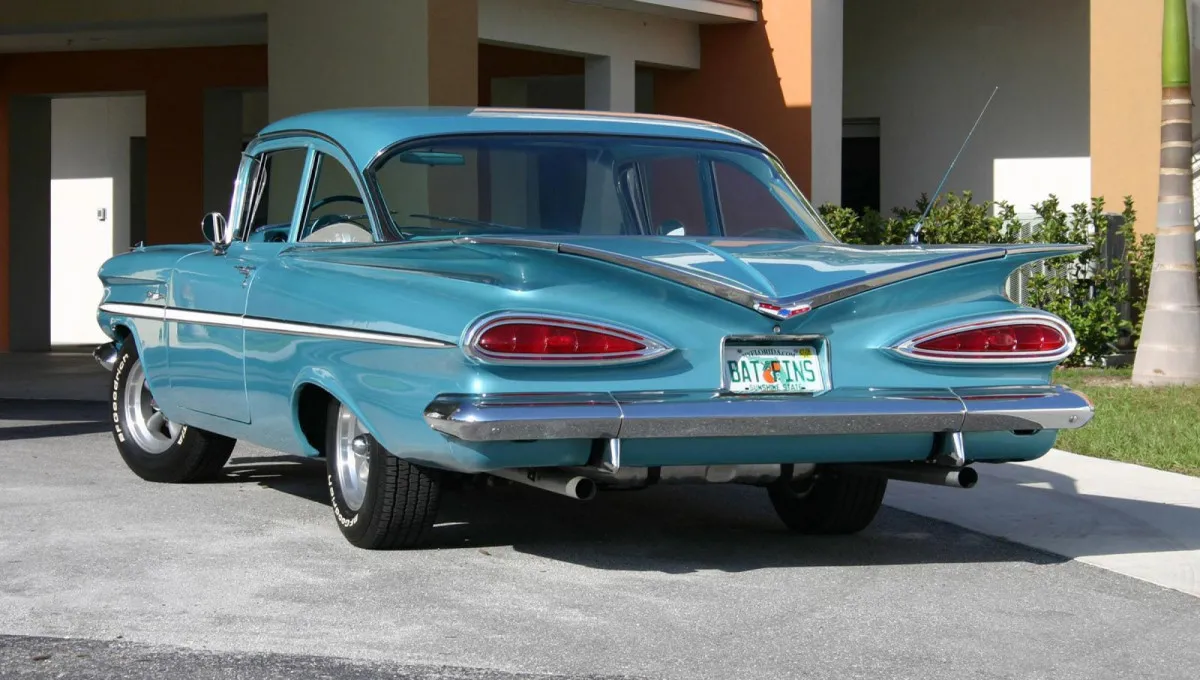
Elegance for Everyone: How Chevrolet Made Its 1960 Cars Stand Out
Chevrolet toned down its extravagant 1959 styling for 1960, bringing a more refined look to its affordable full-size cars.

Invisible Cows and a 17.3 MPH Speed Limit? 4 of America's Strangest Road Signs
From invisible cows to alien highways, these unusual American road signs turn ordinary drives into unforgettable roadside surprises.
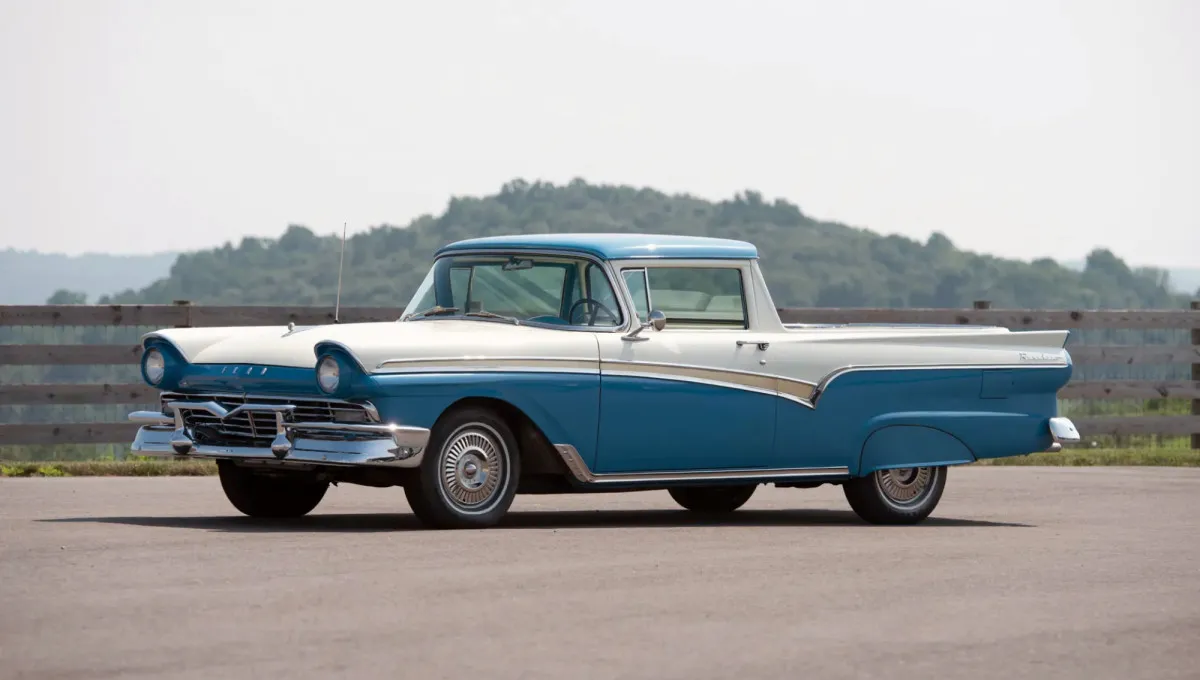
More Than a Car! More Than a Truck! The 1957 Ford Ranchero
The 1957 Ford Ranchero launched a new kind of American vehicle, blending passenger-car styling with pickup-truck utility years before the segment took off.
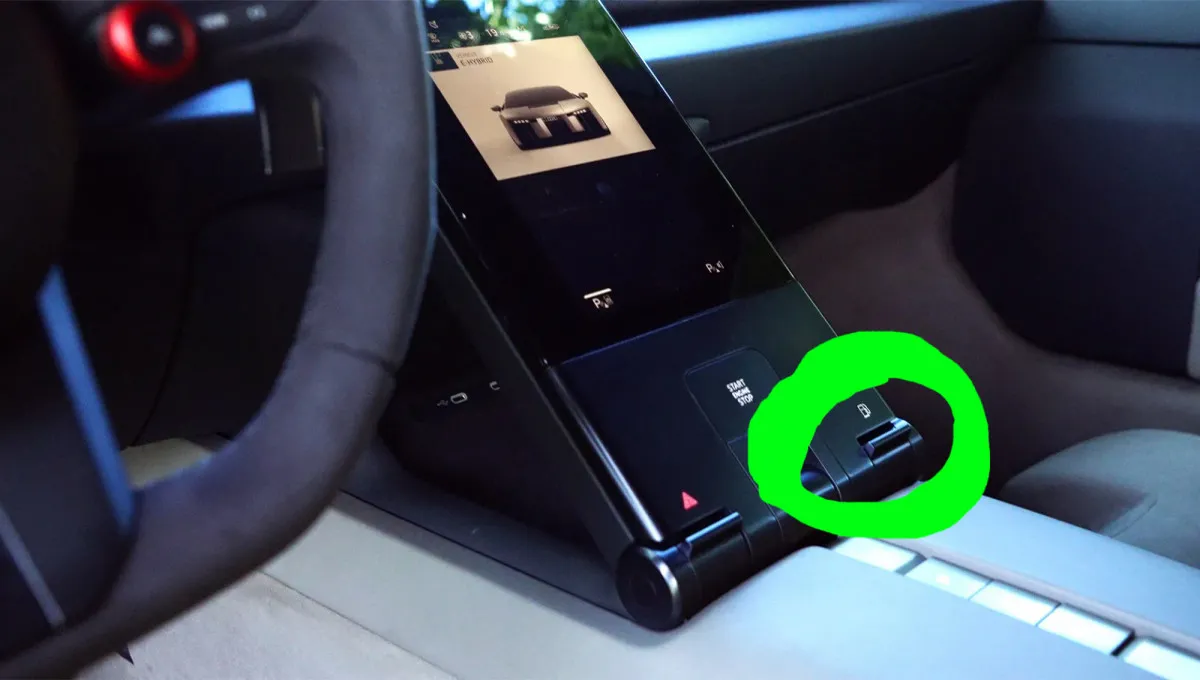
Solving the Mystery of the Audi Nuvolari’s Massive Fuel Door Button
Audi’s striking Nuvolari supercar has an unusually large fuel door button, and its placement may reveal an unexpected connection.
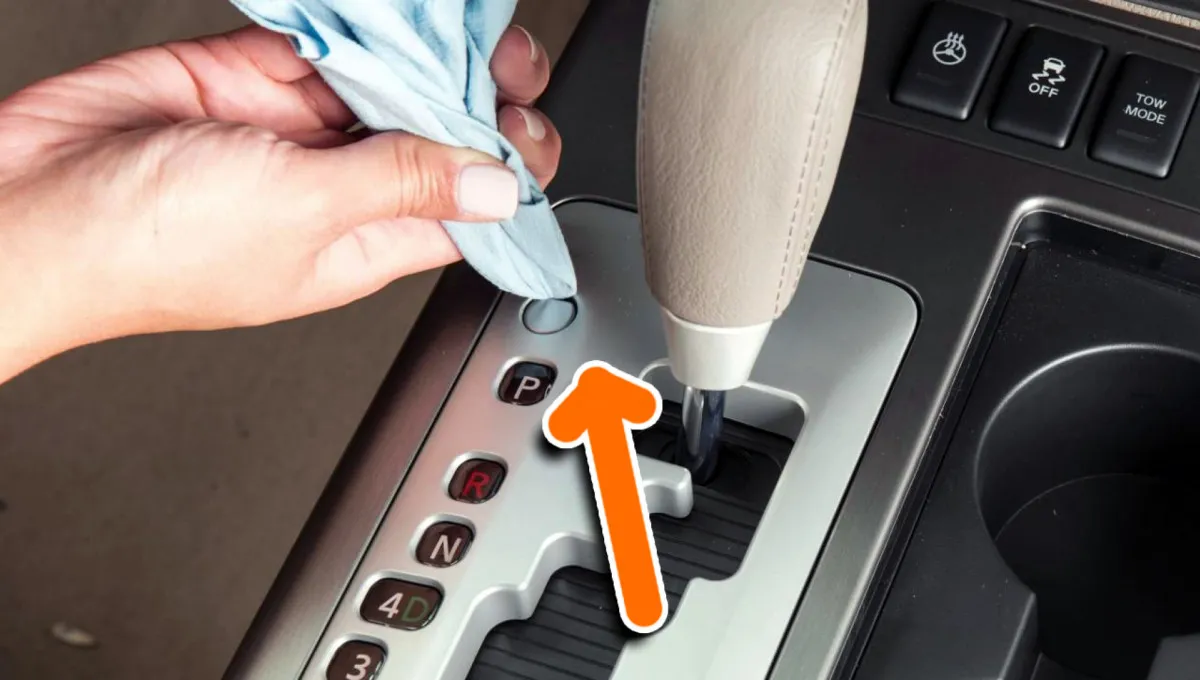
Tow Truck Driver Reveals a Hidden Car Feature That Could Save Your Life in an Emergency
A professional tow truck driver revealed a little-known feature that can help drivers move a disabled vehicle to safety.