
Ford 428 vs. Pontiac 428: Which Muscle-Car Heavyweight Really Hit Harder?
Two legendary V8s, one quirky detail — why their stated displacement didn’t quite match the real numbers.
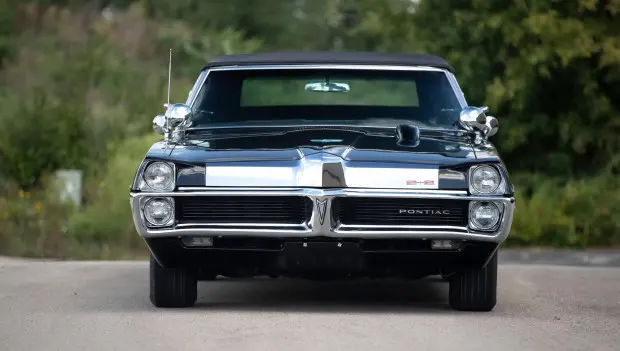
In the late 1960s, Ford and Pontiac each rolled out a 428-cubic-inch V8 that would go on to define the golden age of American muscle. Their power and personality are still debated today — and so is the odd fact that neither engine actually matched its advertised displacement. How did that happen, and which one truly packed the bigger punch?
By the end of the ’60s, Ford and Pontiac were locked in a fierce rivalry for muscle-car dominance. Big-displacement V8s became the icons of the era, and among them, the 428s from both brands held a special place.

Ford introduced its 428 in 1966 as part of the FE engine family, which replaced the short-lived Y-block. The first version was rated at 345 horsepower. Soon after came the now-legendary 428 Cobra Jet, which made its drag-strip debut in 1968 before quickly becoming available in production cars. Although officially rated at 335 horsepower, real-world testing showed it could break the 400-horsepower mark with only mild tuning.
Ford dropped the 428 into a range of models — from full-size Galaxies to midsize Torinos and, of course, the iconic Shelby GT500. Despite conservative factory ratings, the engine earned a reputation as one of the strongest in Ford’s lineup.

Pontiac, meanwhile, rolled out its own 428 in 1967, initially offering it in two versions: a 360-horsepower base engine and a 376-horsepower High Output model. By 1968, those figures climbed to 375 and 390 horsepower. The Pontiac 428 found its way into cars like the Catalina, Bonneville, Grand Prix, and occasionally even the GTO and Firebird — the latter usually through dealer installs.
On the street and at the drag strip, it wasn’t unusual to see Ford-powered and Pontiac-powered 428 cars line up for a showdown. Each was a symbol of a time when engine size and sheer grunt ruled above all else.
The era didn’t last long. Ford ended production of the 428 Cobra Jet for midsize models after 1970, and dropped it from pony cars the following year. Pontiac retired its 428 after 1970 as well, replacing it with the even larger 455-cubic-inch V8.
Looking back, it’s clear that the muscle-car makers of that era weren’t losing sleep over exact measurements. What mattered was the sound, the feel, and the sense of limitless power under the hood. And like many legends, these engines carried a touch of marketing magic along with their raw performance.
You may also be interested in the news:
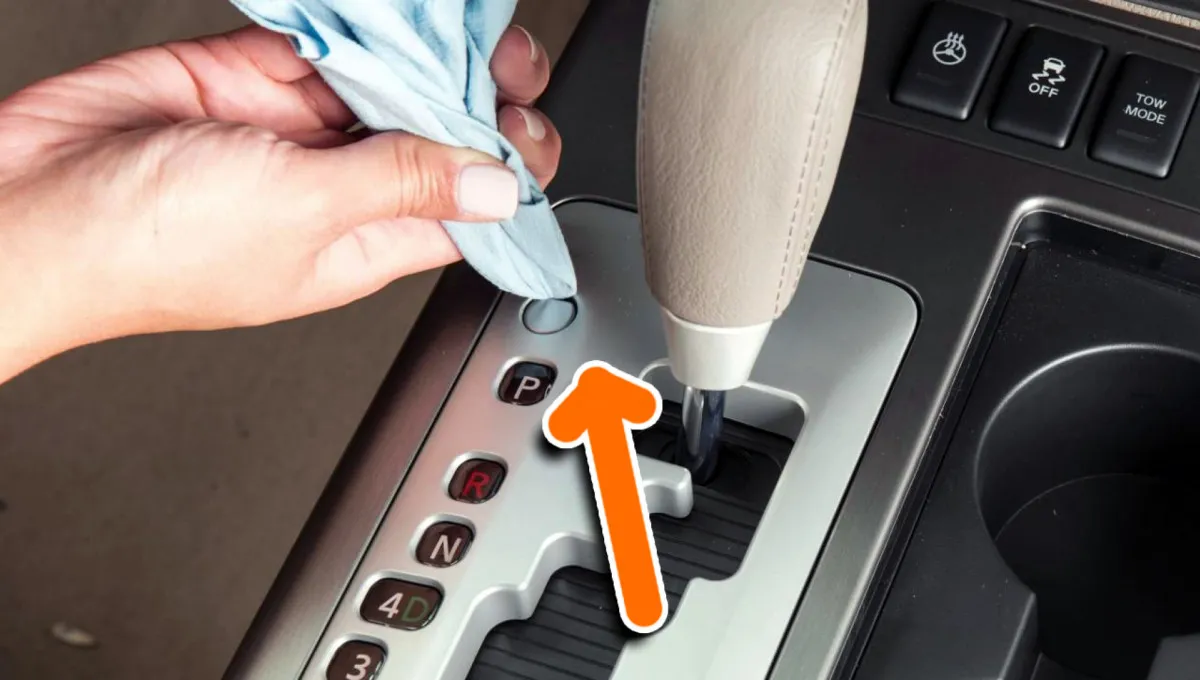
Tow Truck Driver Reveals a Hidden Car Feature That Could Save Your Life in an Emergency
A professional tow truck driver revealed a little-known feature that can help drivers move a disabled vehicle to safety.
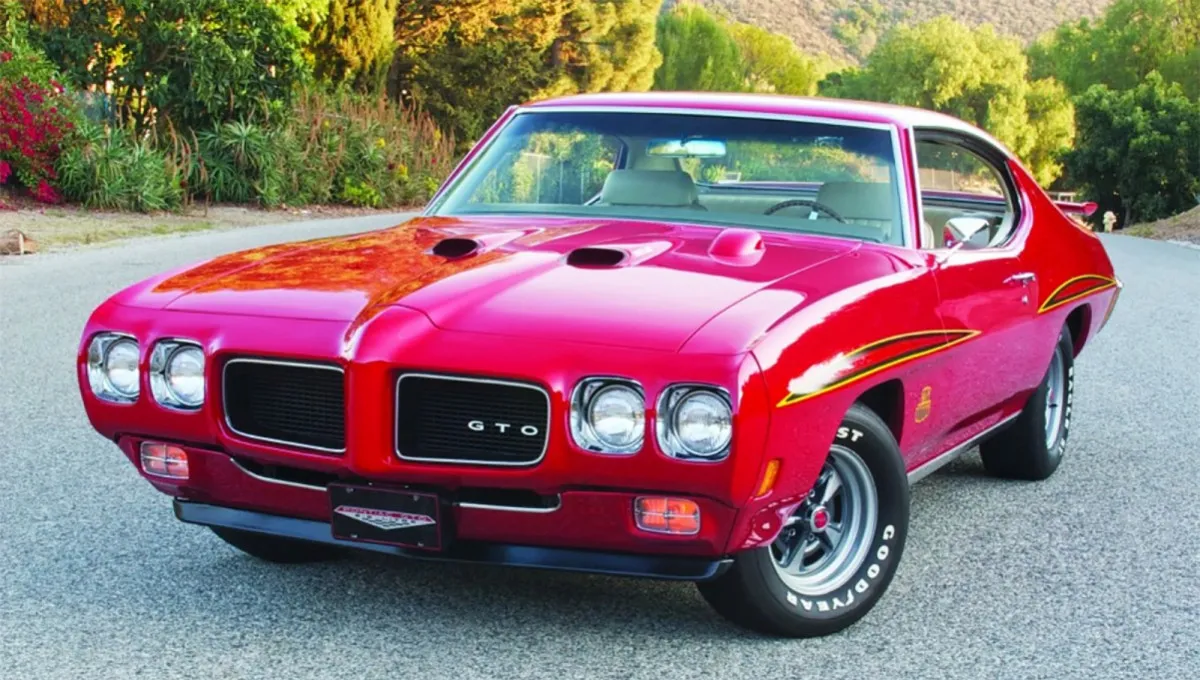
Pontiac's 1970 GTO Had a Wild Exhaust Option—Only 233 Cars Got It
Pontiac offered an unusual exhaust system for the 1970 GTO, but the factory option didn't last long.
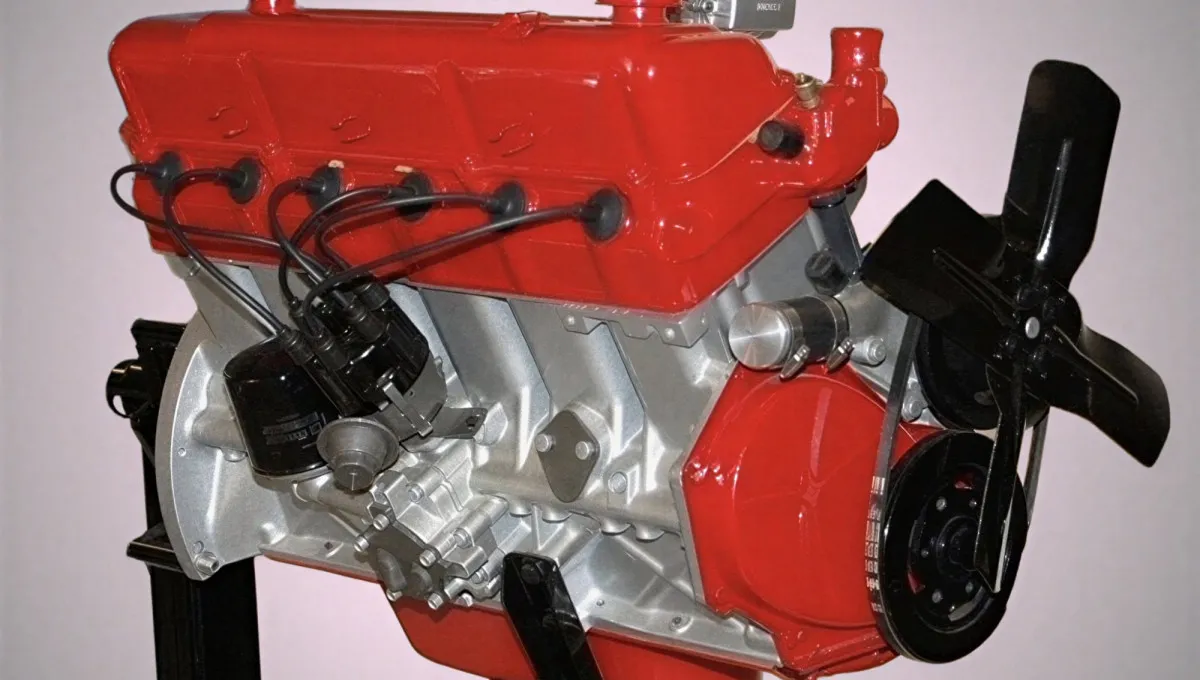
Chrysler's Aluminum Slant 6 Engine: The Lightweight Experiment of 1961–1963
Chrysler built more than 50,000 cars with an aluminum-block Slant 6 before production challenges brought the project to an end.
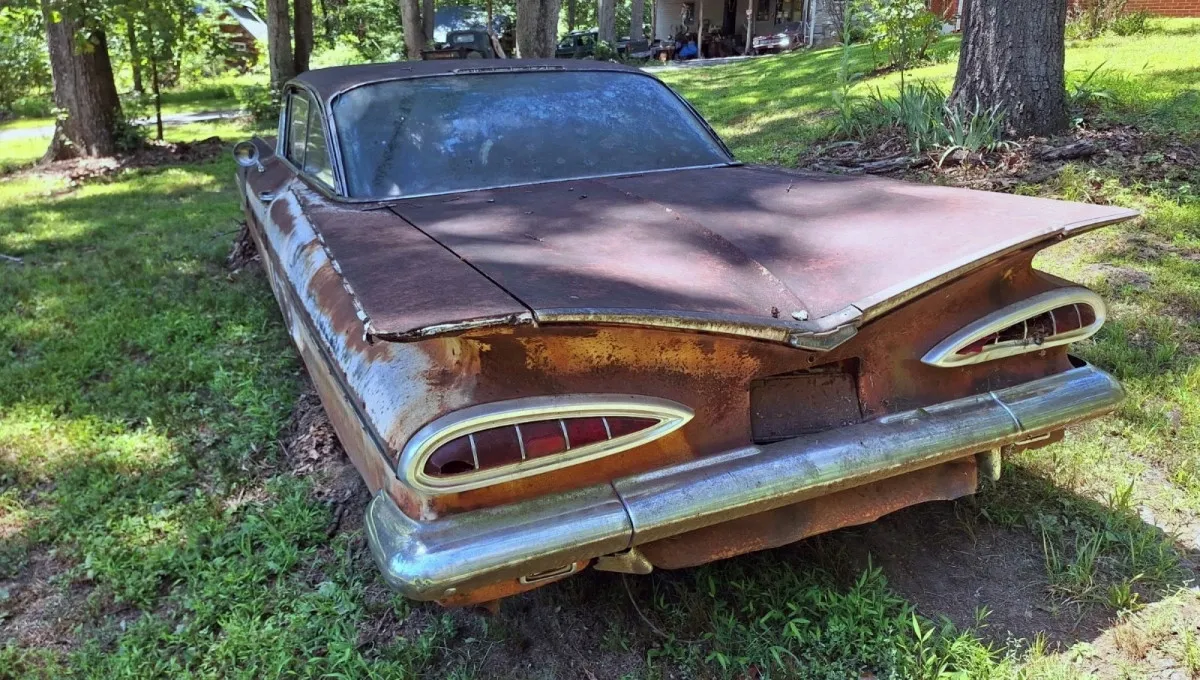
1959 Chevy Impala Parked in a Farm Begs for Restoration As Owner Decides To Let It Go
This 1959 Chevrolet Impala has landed online with one big mission: it must convince a skilled restoration guy to give it a second chance
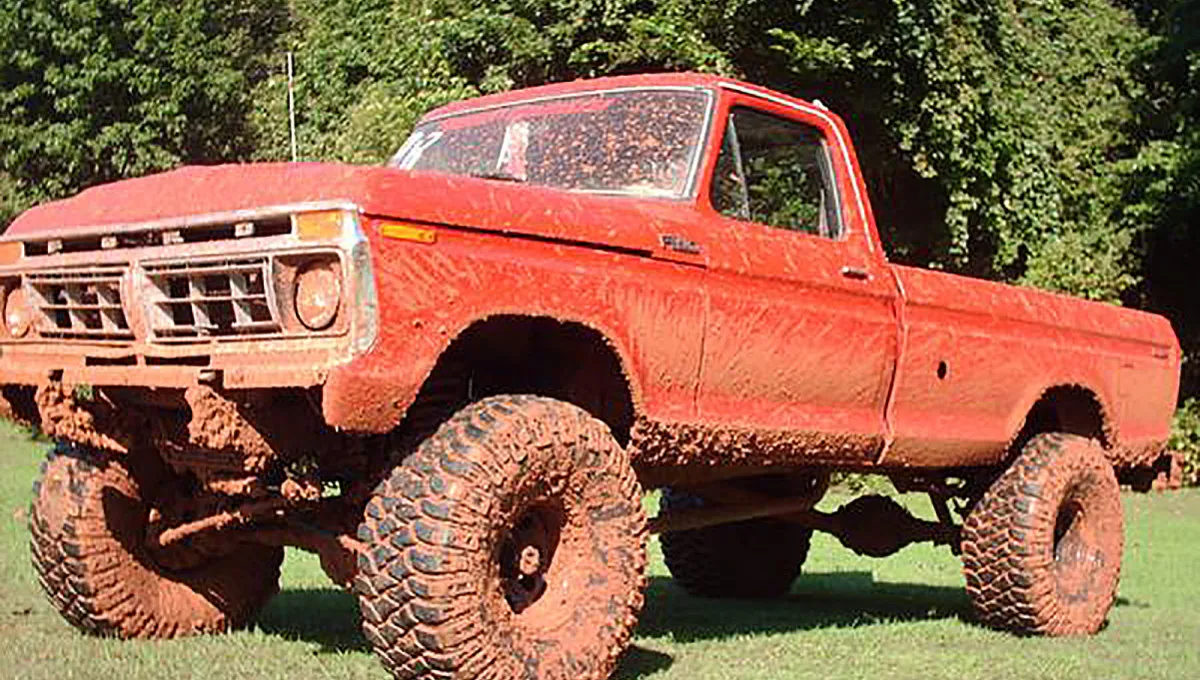
This Ford F-150 Isn’t Just a Pickup — It’s an Orange Apocalypse on Four Wheels
This outrageous Ford F-150 listing turns an ordinary pickup into a mud-loving, obstacle-crushing legend with attitude.