
Million Miles Ago: The Story of Peninsula Trucks
Thanks to the bold “Peninsula Diesel” badge on a demo truck, the company is often called just that.

It’s hard to imagine a story more convoluted than the brief history of the Peninsula brand. Take the name itself. The Niagara Peninsula in Ontario, Canada, isn’t technically a peninsula at all—it’s actually an isthmus.
Still, early European settlers called this small stretch of dense forests, swamps, and ravines a peninsula. Surrounded on three sides by water—the Erie and Ontario Lakes to the south and north, and the Niagara River to the east—they cleared the land, planted orchards and vineyards, and eventually built factories, mills, and power plants.
After World War II, Canada experienced an economic boom. Major uranium deposits were discovered in Saskatchewan, iron ore in Labrador, and oil in Alberta. By the 1950s, Canada had become a world leader in mining nickel, asbestos, zinc, gold, copper, platinum, silver, and lead, as well as aluminum production. Much of this wealth flowed south to the United States, which consumed over 60% of Canadian exports. Across the “Canadian frontier,” hundreds of thousands of tons of fertilizers, paper, lumber, grain, milk, fruit, chicken, and eggs moved south—and trucks, not slow steamships or railways, proved to be the fastest way to deliver them.
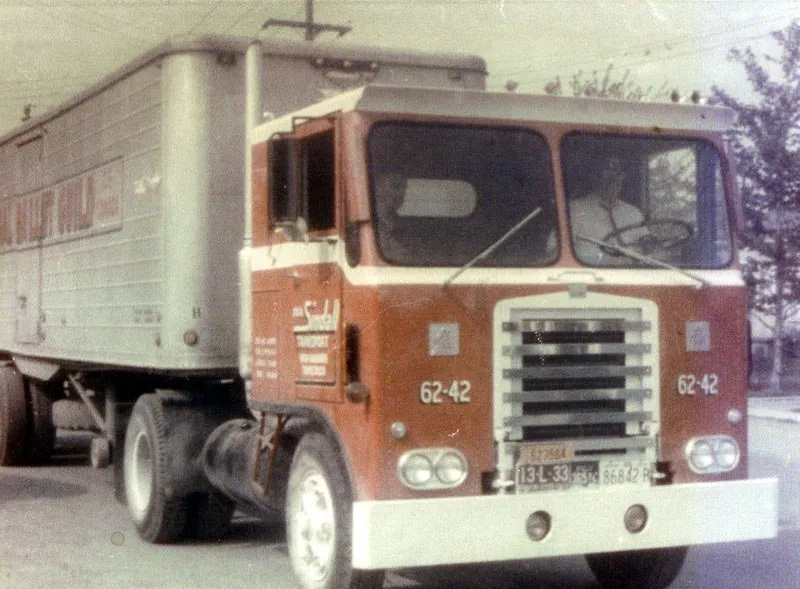
In 1957, facing a slight economic slowdown, Canada’s new conservative government allocated $1 billion to develop the North: over 7,684 kilometers of roads and a 5,708-kilometer network of oil and gas pipelines. Building roads required trucks, and driving those roads required even more trucks. The Canadian market looked very promising, despite stiff competition from U.S. manufacturers. Several companies soon launched production of highway tractors, construction, and mining trucks—brands like Sicar, Hayes, and Pacific.
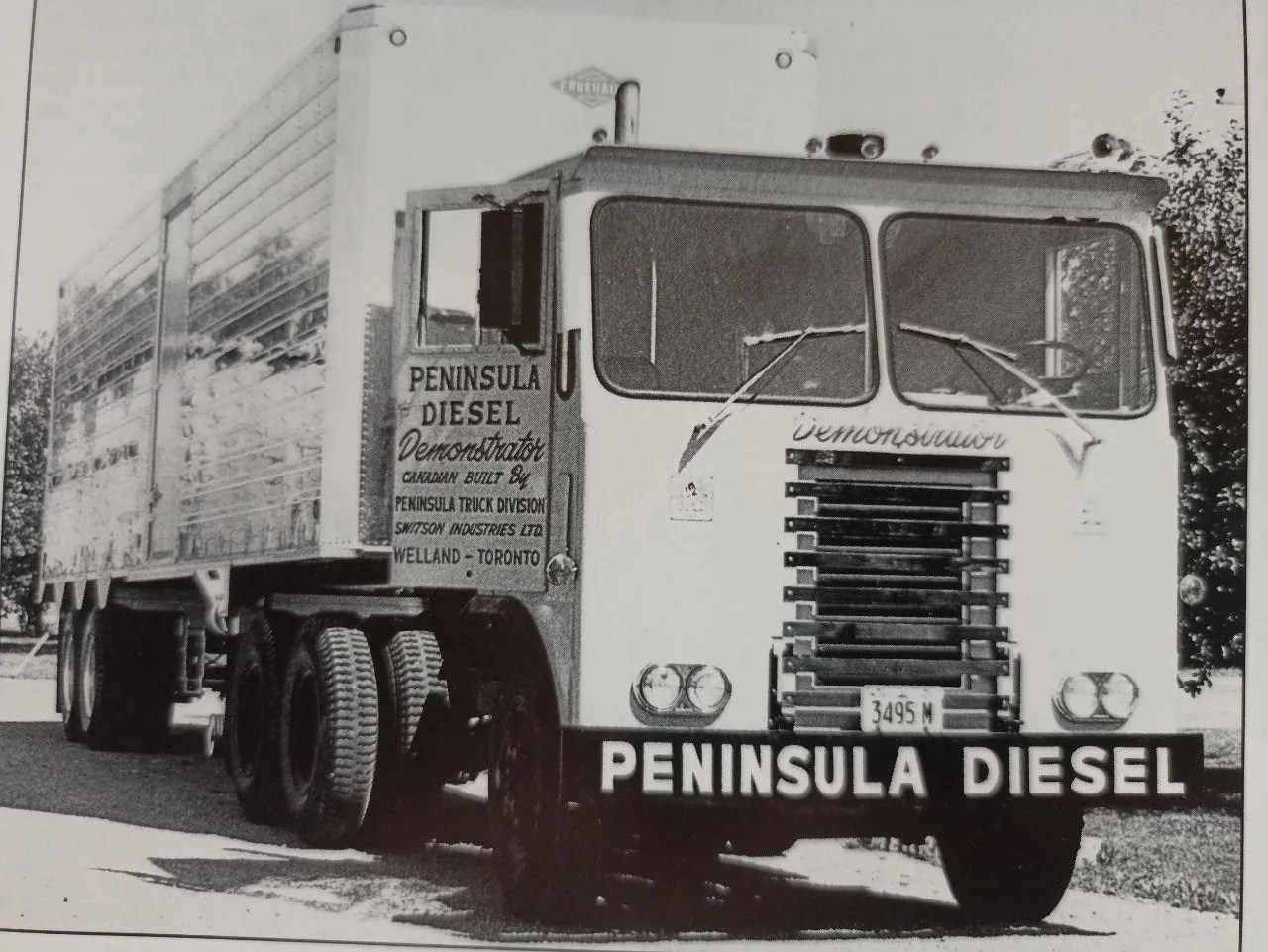
Switson Industries decided to join the opportunity. Unlike the engineers behind the other companies, Switson’s founders were businessmen. They had turned Switson into Canada’s largest vacuum cleaner manufacturer, with a plant in Welland on the northern shore of Lake Erie—right on the so-called Niagara Peninsula, just half an hour from Niagara Falls. The plant produced stylish household appliances under its own brand and for others, including Regina and Kirby.
In 1959, Switson’s owners decided to diversify. Producing trucks seemed simple enough, especially since most U.S. manufacturers assembled vehicles from purchased components: engines, transmissions, axles, wheels—even frames and cabs. By 1960, a cab-over-engine (COE) highway tractor was ready, and Welland rolled out its first truck.

Clients could choose 6-cylinder diesels from Cummins or Detroit Diesel—or even inline 8-cylinder Rolls-Royce C8s—with Fuller transmissions and Dana or Spicer axles. But Switson designed and welded its own simple, boxy cab from boilerplate steel—a rarity at the time. Another unusual feature: pneumatic rather than mechanical transmission control, similar to the “Unishift” system used on Mack N-series trucks.
The company also sold reliable American Diamond T and French Berliet trucks, targeting Franco-Canadian logging and mining companies. But the main goal remained: a simple, durable truck meeting Canadian transport company needs.
From the start, things went wrong. A white-painted demo truck with “Demonstration” on the bumper rolled through Canada but drew little interest. Maybe it was the overweight design, repeated chassis defects, or its intimidating look. In two years, Welland built only about a dozen trucks.
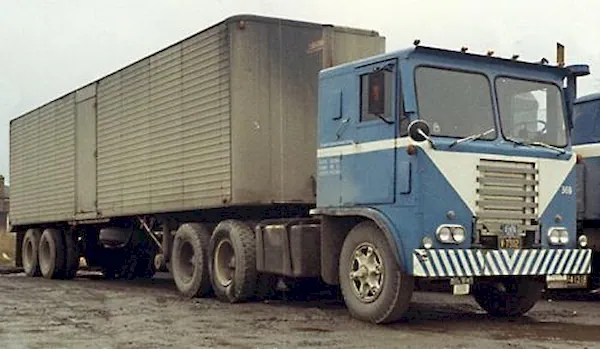
Later Peninsula models got the stylish Budd cab used on popular Ford C- and H-series and Mack N trucks—but still, orders never came. The company even built a 50-ton construction dump truck, again with no success. Developing Canada’s North required enormous time and resources, and the Canadian dollar’s devaluation in the early 1960s combined with an economic downturn forced the company to abandon its northern plans.
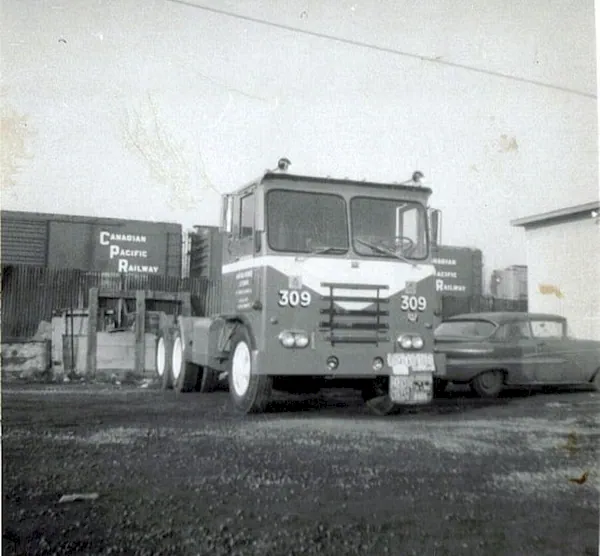
A potential Cuban government order offered hope—but the 1962 Cuban Missile Crisis ended that. By 1961, all unsold Berliet trucks were shipped back to France. The brand, named after a nonexistent peninsula, was history.
In Welland, Switson returned to vacuum production. By 1967, it was acquired by General Signal Appliances, later became Iona Appliances in 1986, then Fantom Technologies in 1996, and finally went bankrupt in 2001. Meanwhile, in 1980, a family-owned company in California called Peninsula Diesel appeared—but it has nothing to do with the original badge on the Welland demo truck, nor with the Niagara Peninsula. After all, California and the California Peninsula in Mexico are two very different things.
You may also be interested in the news:
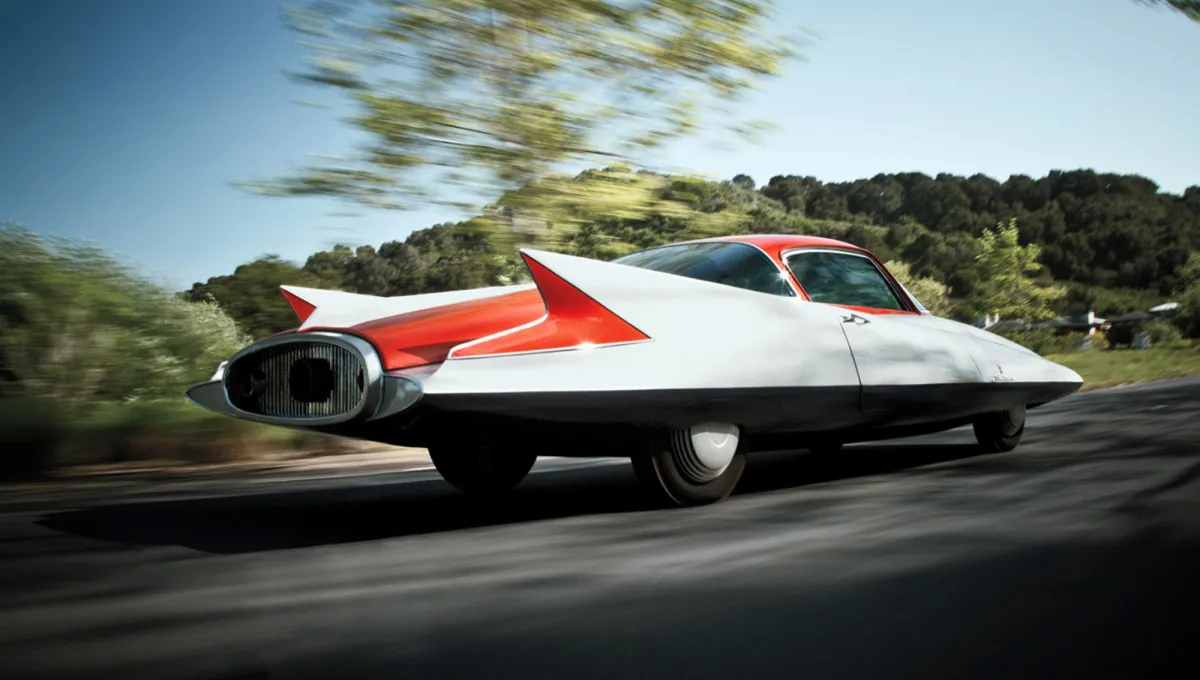
10 Concept Cars From the 20th Century That Look Like They Came From the Future
From futuristic cockpits to rocket-inspired bodies, these 10 vintage concept cars pushed design boundaries and still look spectacular today.
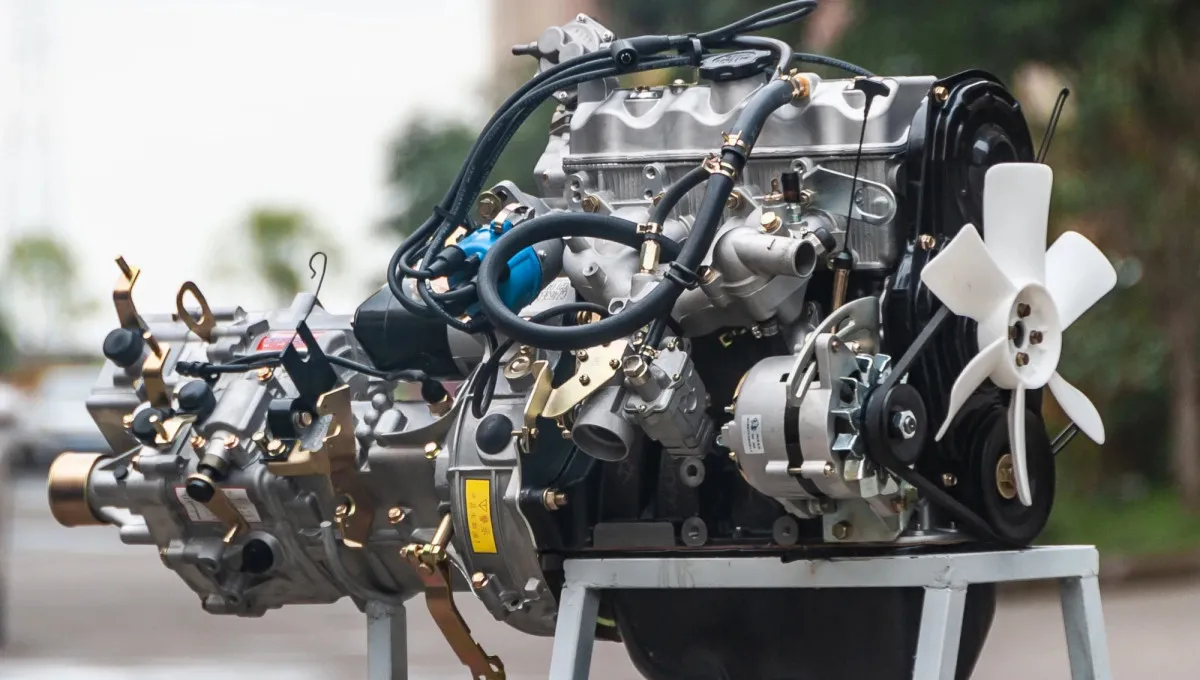
“Are You Sure It’s Chinese?” Who Really Builds China’s Car Engines
Who Really Develops China’s Car Engines?

What Does the 99% Patch Mean to Bikers? The History Behind the Motorcycle Symbol
The 99% biker label separates everyday motorcycle enthusiasts from outlaw culture, carrying a message rooted in American motorcycle history.
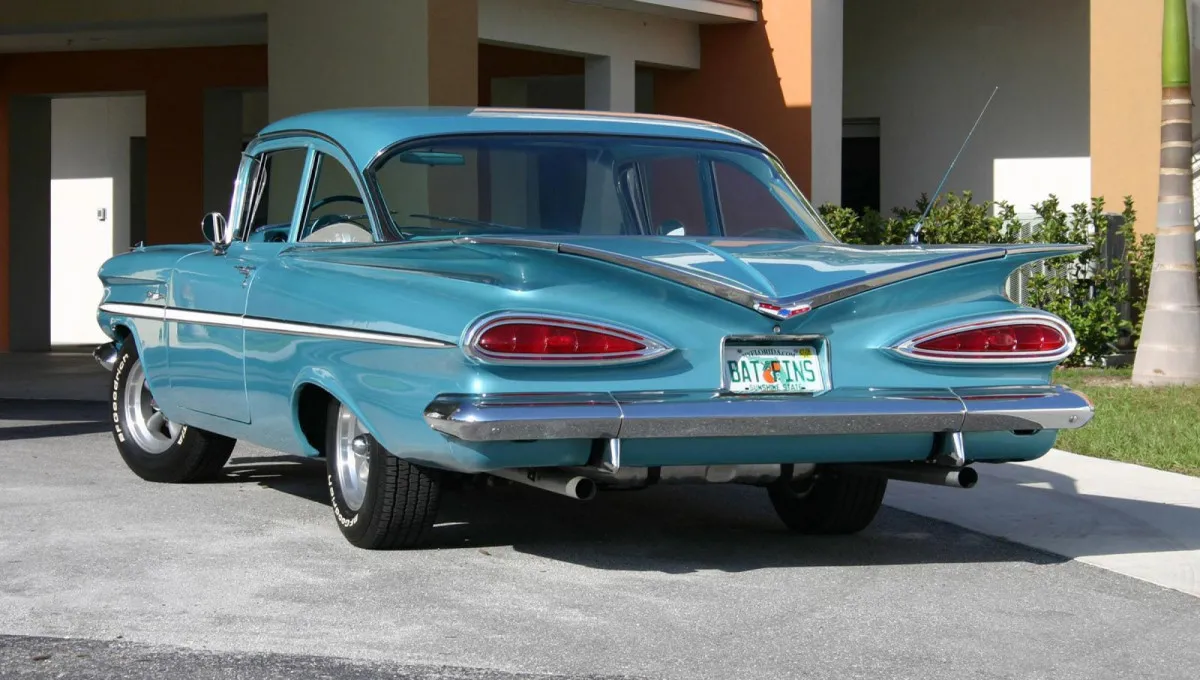
Elegance for Everyone: How Chevrolet Made Its 1960 Cars Stand Out
Chevrolet toned down its extravagant 1959 styling for 1960, bringing a more refined look to its affordable full-size cars.
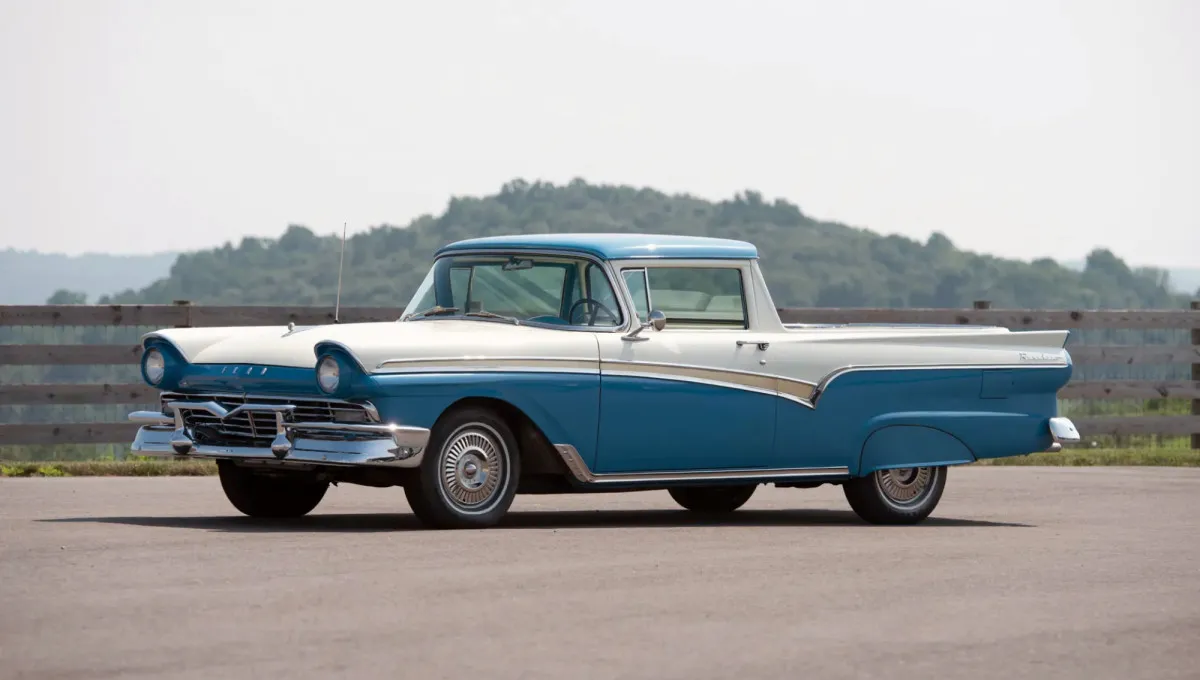
More Than a Car! More Than a Truck! The 1957 Ford Ranchero
The 1957 Ford Ranchero launched a new kind of American vehicle, blending passenger-car styling with pickup-truck utility years before the segment took off.