
A Mechanic Friend Shared a 10-Minute Engine Check — I Tried It and the Results Were Surprising
How to diagnose a car engine in just 10 minutes.
Hi everyone. Today I want to share a simple way to check a car’s engine in about 10 minutes.
This method is especially useful when buying a used car — it helps you quickly figure out whether the engine is healthy or already worn out. Let’s get started.
First, start the engine and pay close attention to how it fires up. Does it start easily, or does it struggle? A hard or uneven start can already hint at underlying problems.
Next, once the engine has warmed up a bit, do a quick rev test. Press the accelerator sharply to bring the revs up to around 4,000 rpm, then release it just as quickly. The engine should respond smoothly and quietly. If you hear rattling, growling, or a rough mechanical noise at that moment, that’s a red flag. Those sounds can indicate internal engine play or wear — and in that case, it’s better to walk away from the car.
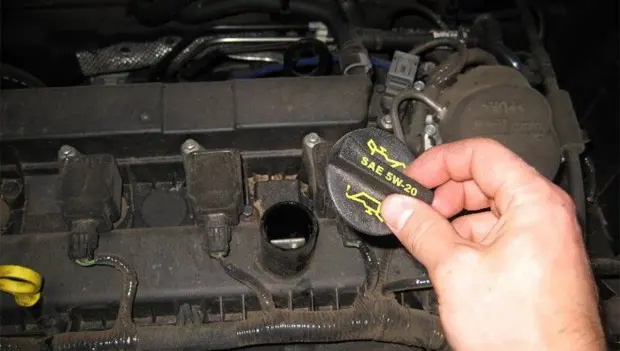
Now open the hood and move on to under-the-hood checks. Locate the oil filler cap and slightly loosen or lift it while the engine is running. There should be no smoke coming out. If you see bluish smoke, that’s a sign the piston rings are nearing the end of their life and the engine doesn’t have much time left.
Also look inside the oil filler neck. You can even touch it with your finger. There should be no milky residue, sludge, or heavy buildup. Any emulsion, grime, or thick deposits are bad signs and may point to internal engine issues.
Next, do a visual inspection of the engine. Check carefully for oil leaks. The engine should be dry — oil shouldn’t be seeping or dripping anywhere. Look around the valve cover, oil pan, and all visible sides of the engine.
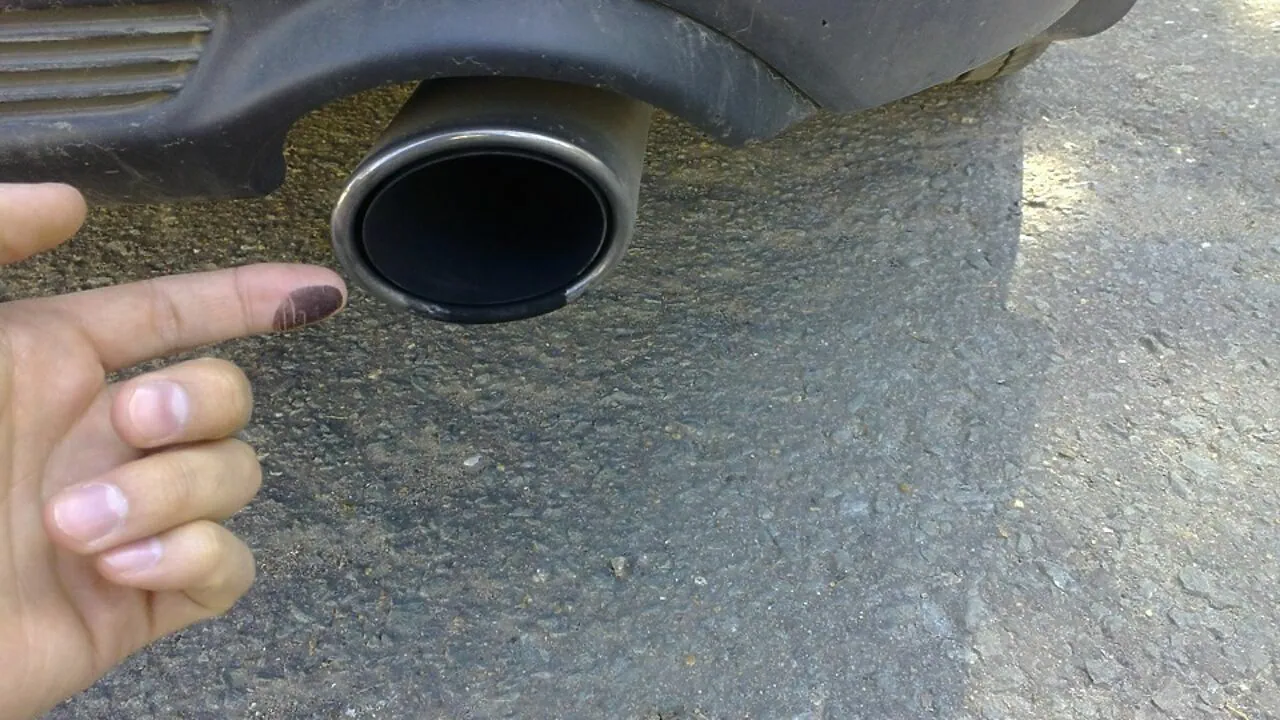
After that, turn your attention to the exhaust pipe. Wipe the inside of the tailpipe with your finger. There should be no thick, greasy residue. Heavy buildup usually means the engine is burning oil. During revving, there should also be no blue smoke coming out of the exhaust. Blue smoke is a classic sign of oil consumption.
And that’s it. These simple checks won’t replace a professional inspection, but they can quickly help you spot serious engine problems and avoid buying a car that’s already on its last legs.
You may also be interested in the news:
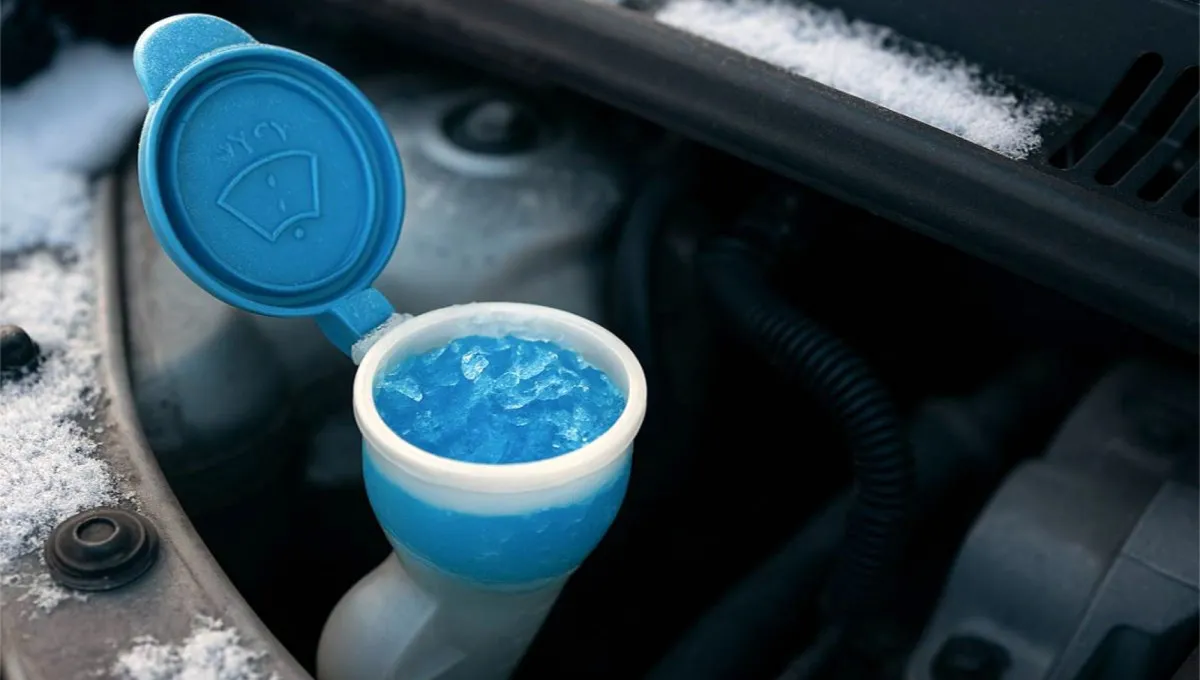
Windshield Washer Fluid Frozen in the Reservoir? Here’s How to Thaw It
A frozen washer system can catch drivers off guard, especially when a cold morning reveals that yesterday’s windshield washer suddenly stopped working.
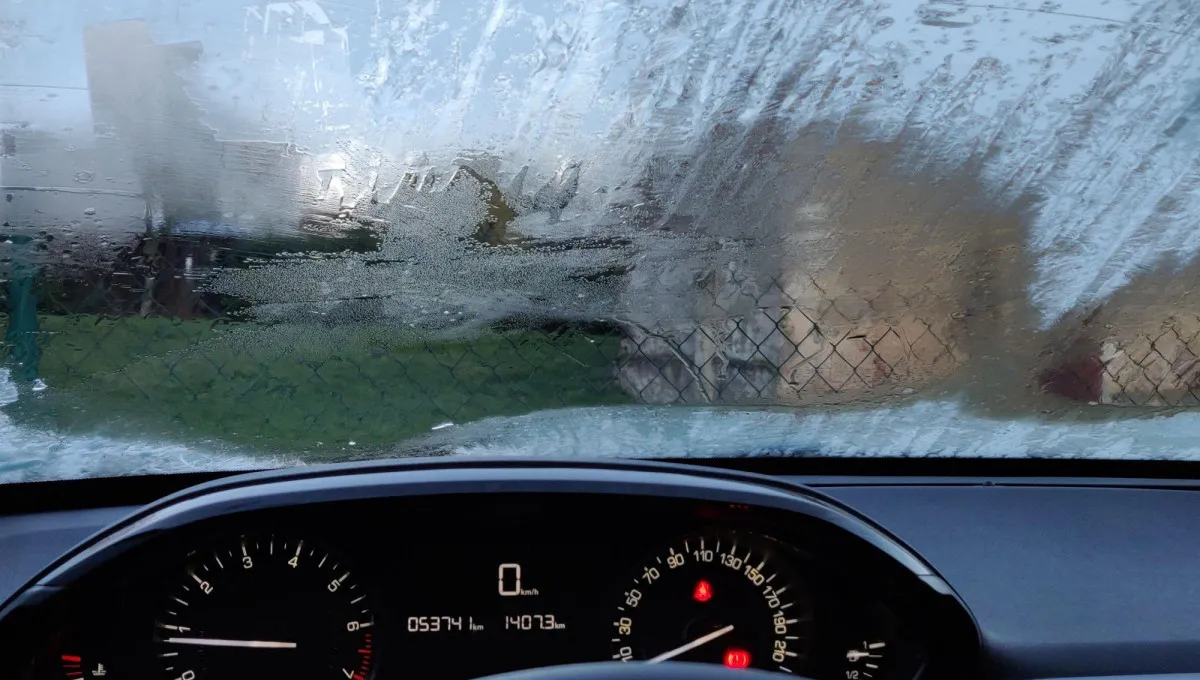
One Car Button Can Make Your Windows Fog Up Faster: What Not to Do in the Rain
Moisture brought into the cabin by drivers and passengers can linger in the air and settle on cold windows, reducing visibility.
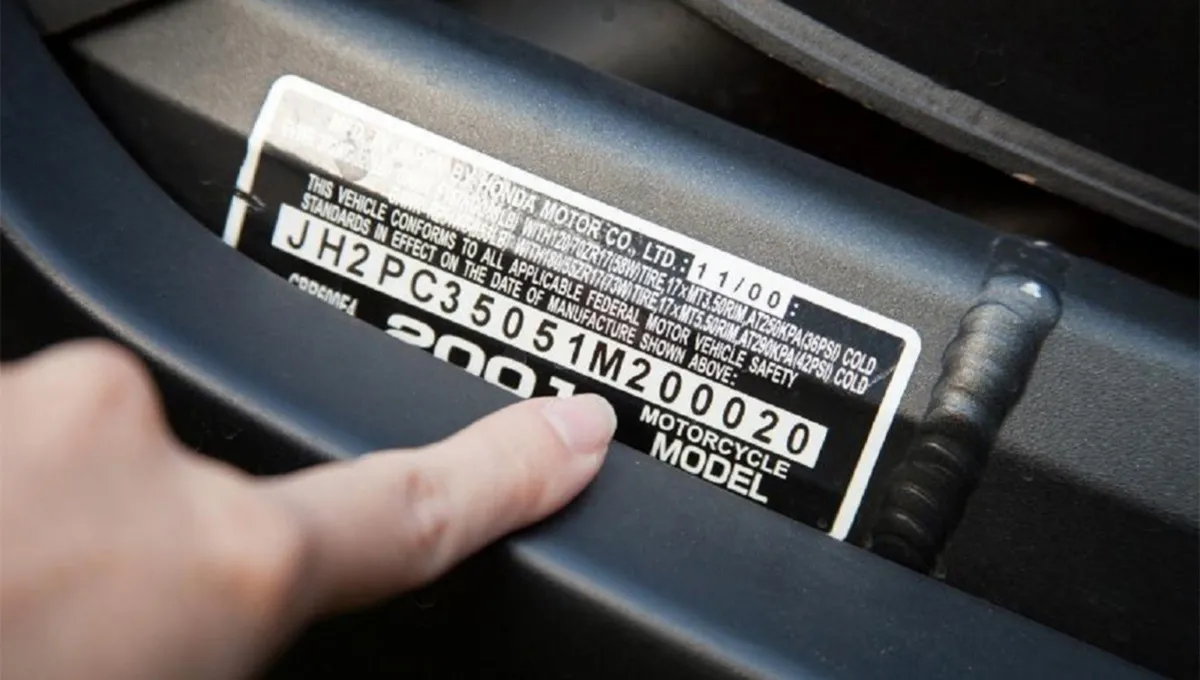
VIN-Based Auto Parts Lookup: Where Buyers Make the Most Mistakes
A VIN helps identify the right replacement part for your vehicle, but it cannot account for every change. Here’s what sellers need to know.
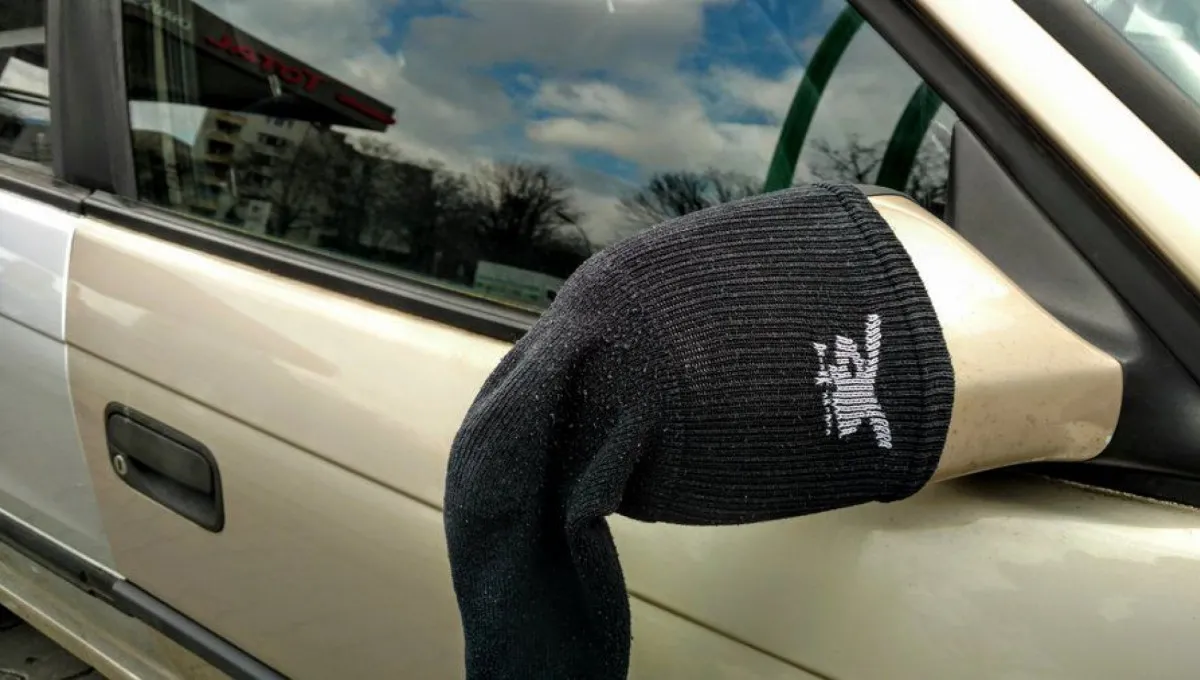
Why Experienced Drivers Put Socks on Their Car Mirrors in Fall: The Clever Trick Explained
An old pair of socks can help reduce frost buildup on your side mirrors overnight, saving time on cold mornings when every minute counts.
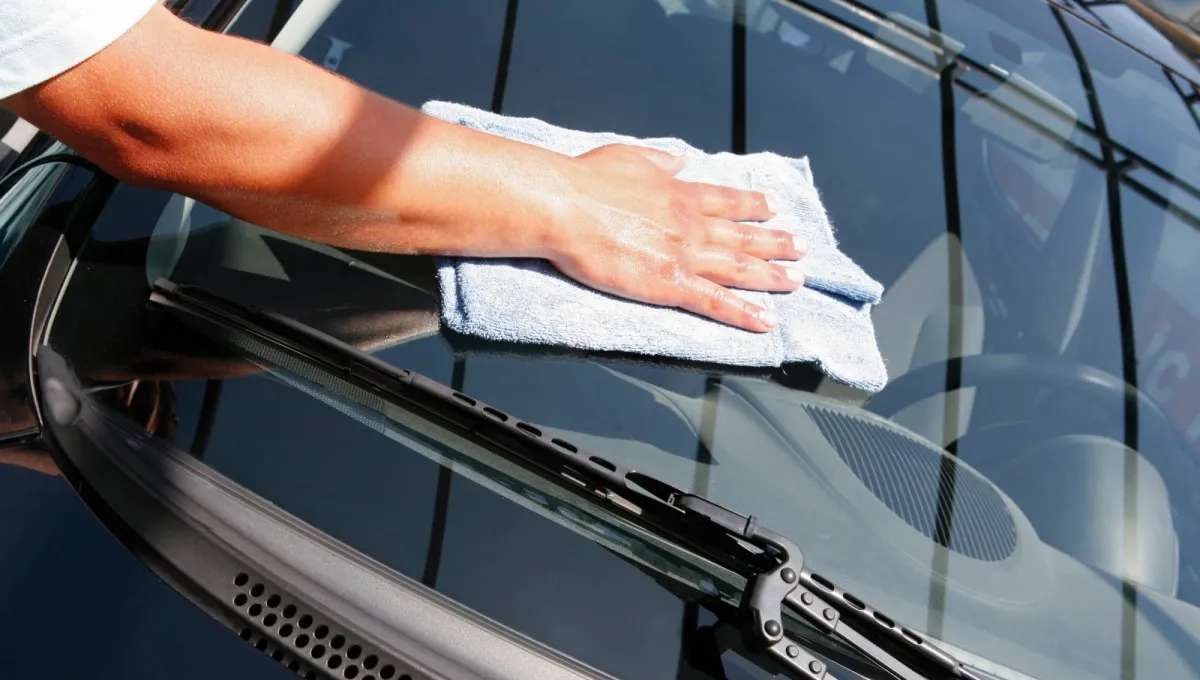
How to Clean Your Windshield Without Streaks: Experts Recommend This Simple DIY Mix
The secret to a streak-free windshield comes down to the right cleaning solution, two microfiber cloths, and the proper drying technique.