
Antifreeze, Brake Fluid, and Transmission Oil: When Should You Really Change Them?
Modern cars may seem fragile compared to classics—but knowing when to replace key fluids can save your engine, brakes, and wallet.
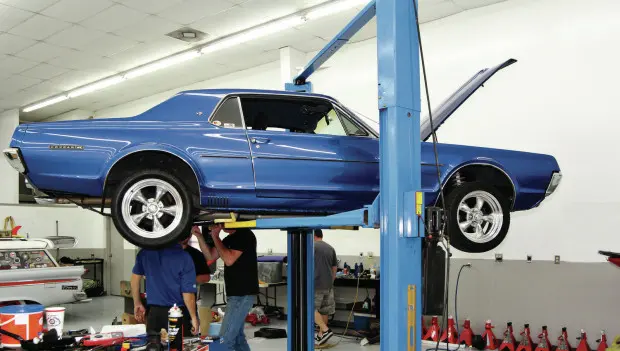
Old cars often seem indestructible—who doesn’t love thinking about an Oldsmobile still running decades later? Modern cars, by comparison, can feel fragile, with their thin body panels, sensors, and microprocessors. In many ways, that’s intentional. Engineers design vehicles to last reliably through the warranty period, and then encourage owners to come back for a new model.
For everyday drivers, knowing when key fluids and components need attention is far more practical than chasing immortality. Fuel, for instance, isn’t as eternal as it seems. Gasoline in a tank can last a year or two, gradually losing some of its properties as lighter fractions evaporate. Diesel is even more sensitive: it starts degrading after about six months in hot weather, and up to a year in cooler conditions. Seasonal diesel changes are also recommended to prevent issues.
Engine oil generally keeps its effectiveness for around a year, though occasional drivers can safely stretch this to two years. In sealed containers, oil can last as long as five years because oxidation happens much more slowly. Transmission fluids differ depending on the gearbox. Manual transmissions often run fine on their oil for up to eight years, while automatic transmissions rely on specialized fluid, typically good for five to seven years depending on mileage and driving conditions. In practice, most experts suggest replacing these fluids every three to four years.
Power steering fluids, whether hydraulic or electrically assisted, tend to last five to seven years or roughly 75,000–93,000 miles. Brake fluid, however, deserves special attention. While rated for two to three years under normal use, it’s frequently neglected. Brake fluid absorbs moisture over time, losing its effectiveness and potentially boiling during heavy braking, which can be dangerous.
Other components also have finite lifespans. Cabin air filters should be replaced every year; engine air filters usually every 9,000 miles. Oil filters should be swapped with each oil change, while fuel filters are replaced only if clogged. Windshield wipers need attention at least twice a year. Spark plugs last according to mileage rather than age, with quality iridium plugs often reaching 100,000 miles. Timing belts should be replaced per the manufacturer’s schedule, typically no later than five years for low-mileage vehicles. Drive belts are best judged by condition, and tires usually retain optimal performance for about five years, though premium brands can last up to ten. Brake hoses may last around a decade, but even minor cracks or leaks are a clear sign it’s time to replace them.
Understanding the lifespan of these fluids and components helps drivers keep modern cars reliable and safe, even if they don’t have the legendary longevity of vehicles from past decades.
You may also be interested in the news:
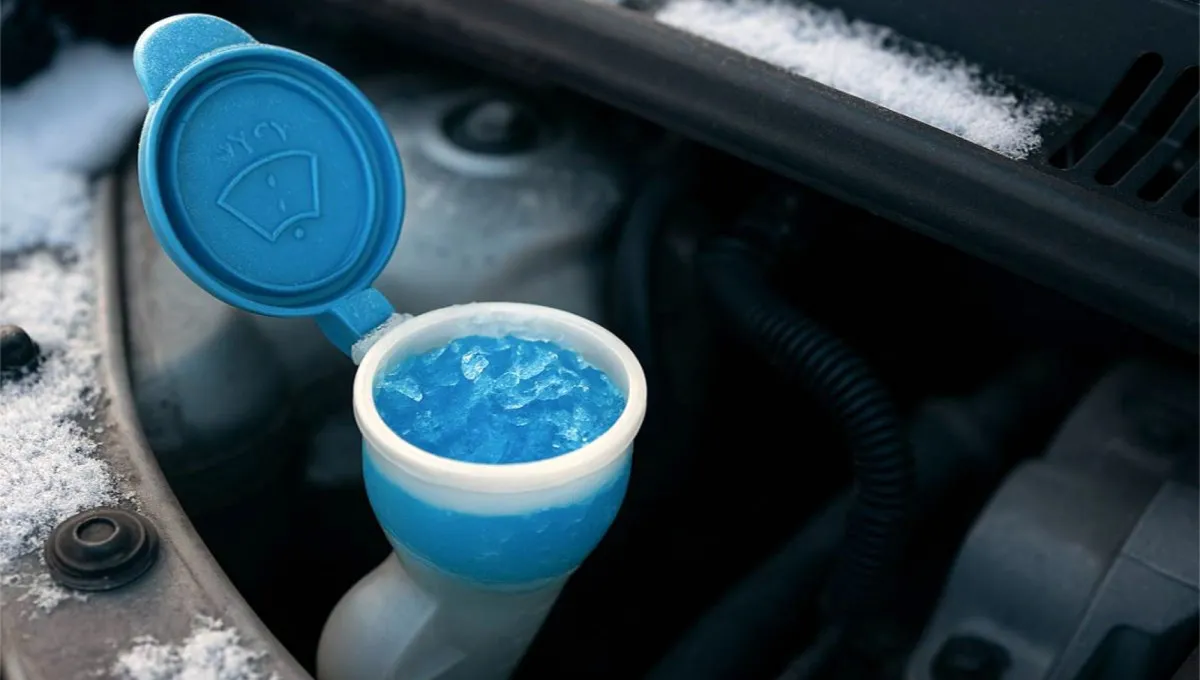
Windshield Washer Fluid Frozen in the Reservoir? Here’s How to Thaw It
A frozen washer system can catch drivers off guard, especially when a cold morning reveals that yesterday’s windshield washer suddenly stopped working.

One Car Button Can Make Your Windows Fog Up Faster: What Not to Do in the Rain
Moisture brought into the cabin by drivers and passengers can linger in the air and settle on cold windows, reducing visibility.

VIN-Based Auto Parts Lookup: Where Buyers Make the Most Mistakes
A VIN helps identify the right replacement part for your vehicle, but it cannot account for every change. Here’s what sellers need to know.

Why Experienced Drivers Put Socks on Their Car Mirrors in Fall: The Clever Trick Explained
An old pair of socks can help reduce frost buildup on your side mirrors overnight, saving time on cold mornings when every minute counts.
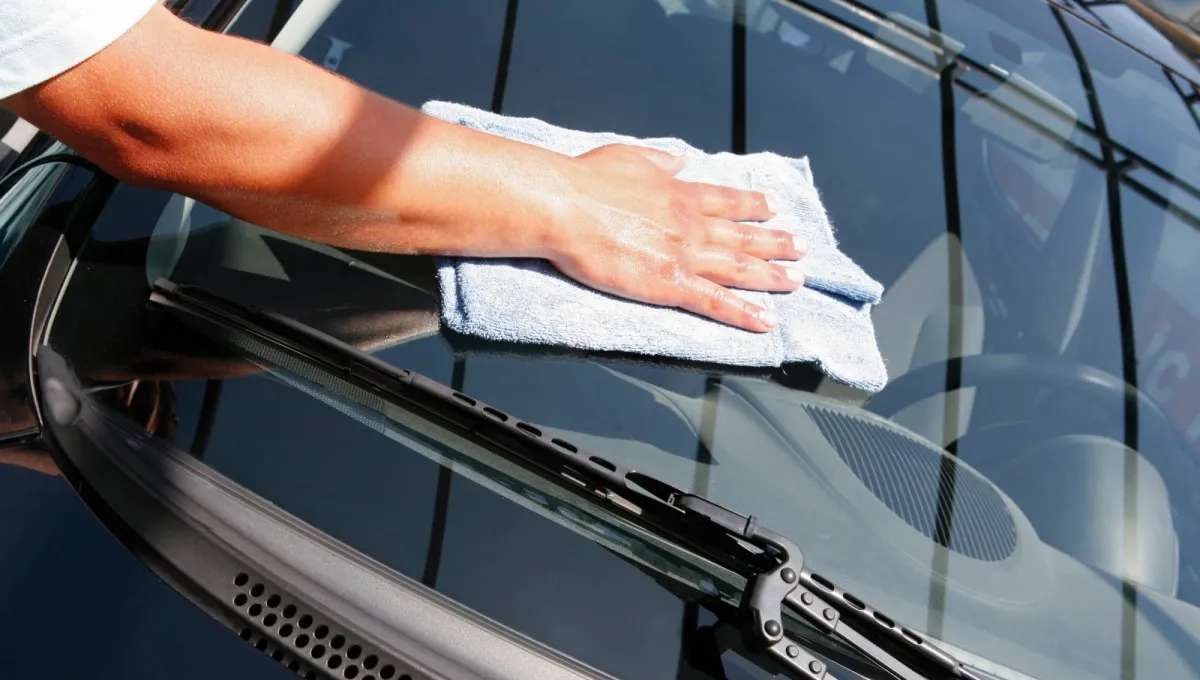
How to Clean Your Windshield Without Streaks: Experts Recommend This Simple DIY Mix
The secret to a streak-free windshield comes down to the right cleaning solution, two microfiber cloths, and the proper drying technique.