
How to Dig Your Car Out of a Snowbank Without Damaging It: 6 Practical Tips for Drivers
When digging out, it’s important to keep a few key details in mind to avoid damaging your own vehicle.
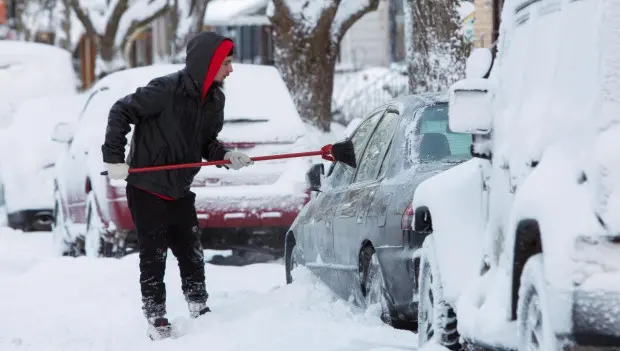
Freeing a car trapped in deep snow isn’t just hard physical work—it also takes a bit of know-how. When digging out, keeping a few important details in mind can help you avoid unnecessary damage to your vehicle.
Don’t put it off
Don’t wait until the last minute—right before you need to drive—to dig your car out. Fresh snow gradually compacts and hardens. What today can be brushed away easily or pushed aside with a bumper can turn into a solid snowbank after a few days. At that point, a light plastic shovel may no longer be enough, and you’ll need something far more aggressive.
The same applies if your car was buried by snow pushed aside by a plow. That type of snow is already dense and freezes solid much faster, so clearing it sooner rather than later is critical.
Use the right tools
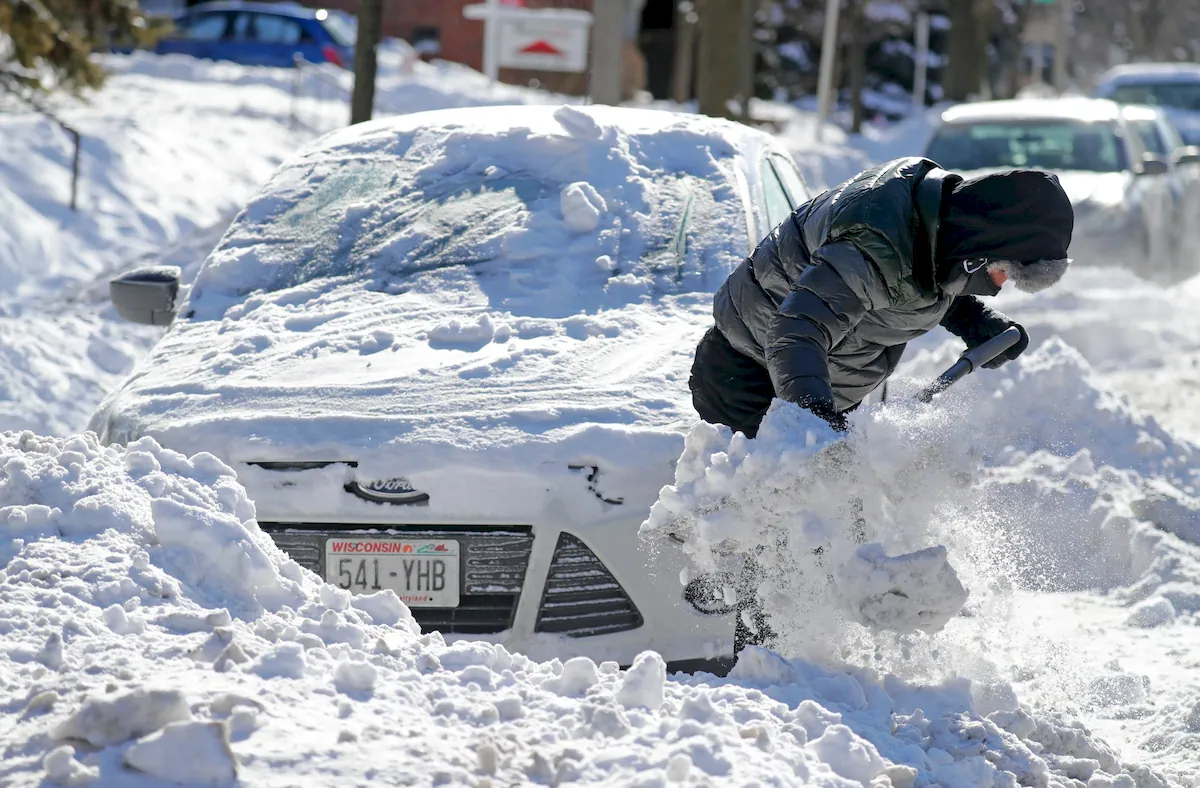
For snow removal, a plastic shovel is the safest option. If you accidentally hit the bodywork with a metal shovel, there’s a high chance you’ll scratch or chip the paint.
Account for your car’s width
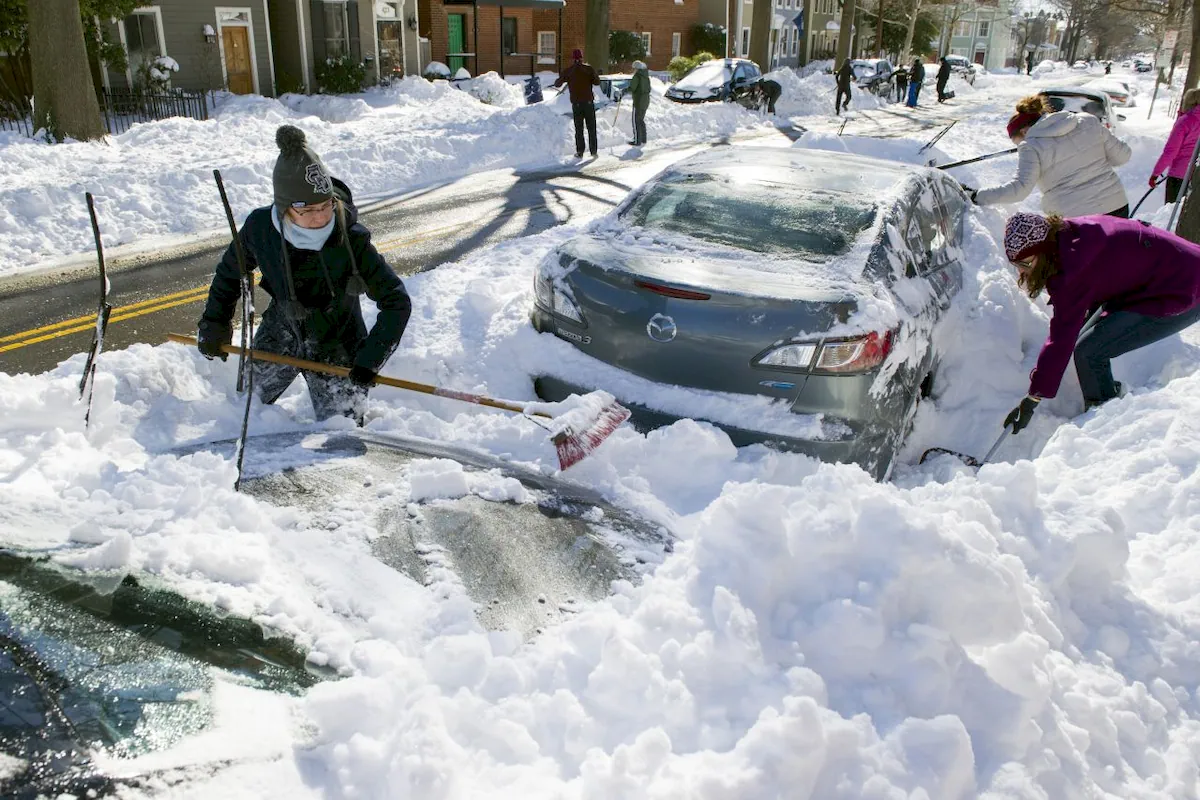
When clearing a path out, make sure it’s noticeably wider than the car itself. As you start moving, the vehicle can slide sideways and rub against the snow walls. Your paint won’t thank you for that.
Watch the surface ahead
Make sure the cleared area in front of the car is smooth, without bumps or sudden rises—even if the snow looks soft. These uneven spots can stop a spinning car completely or leave it “hung up” on the underbody or side skirts. If the bumper catches on packed snow, repair or replacement costs may follow quickly.
Pay special attention to the wheels
When digging out, focus first on clearing snow directly in front of the wheels. This allows the car to start moving more easily. Even a small amount of forward momentum can help you push through slush afterward.
If possible, remove packed snow and ice from the wheels themselves. Snow buildup can throw the wheels out of balance, causing vibrations—especially through the steering wheel. Brake performance can also suffer if snow gets packed into the braking components.
Don’t forget the roof
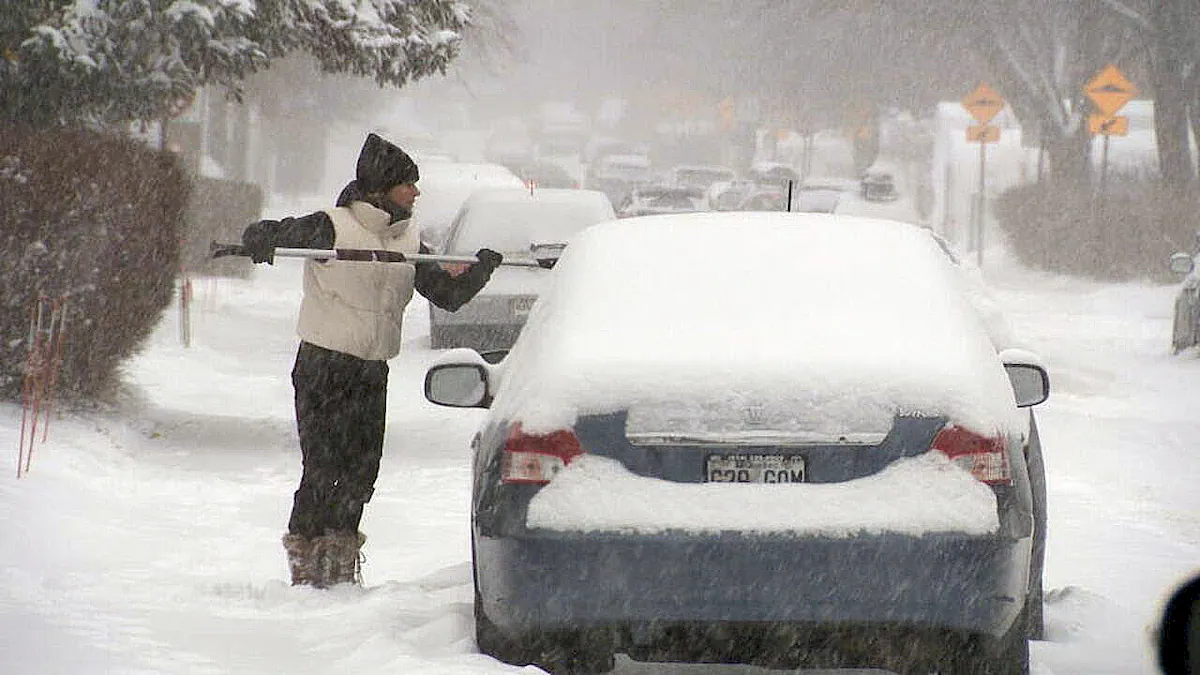
Always clear snow off the roof. During sudden braking, a heavy layer can slide forward and completely block your windshield. That’s a serious safety hazard and an easy way to end up in an accident.
The End!
Digging a car out of a snowbank isn’t just about “dig deeper and throw farther.” Care and foresight matter. Being gentle with your vehicle and thinking ahead can help you avoid damage—and make your escape from a snowy trap far less stressful.
You may also be interested in the news:
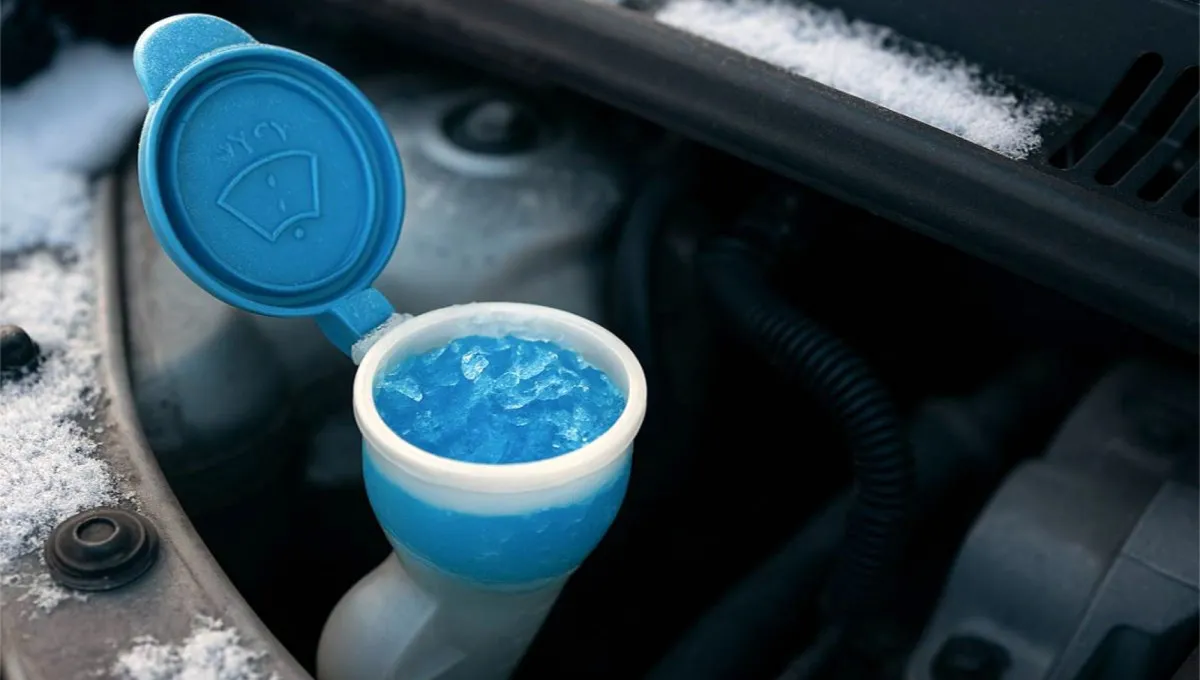
Windshield Washer Fluid Frozen in the Reservoir? Here’s How to Thaw It
A frozen washer system can catch drivers off guard, especially when a cold morning reveals that yesterday’s windshield washer suddenly stopped working.
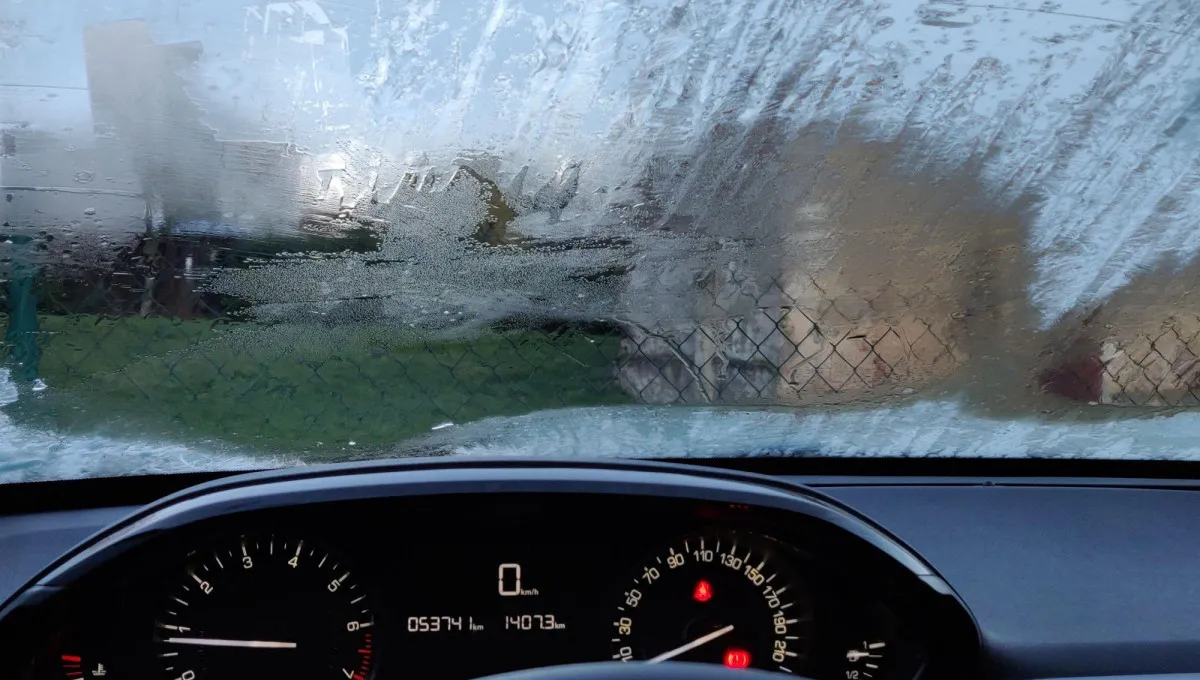
One Car Button Can Make Your Windows Fog Up Faster: What Not to Do in the Rain
Moisture brought into the cabin by drivers and passengers can linger in the air and settle on cold windows, reducing visibility.
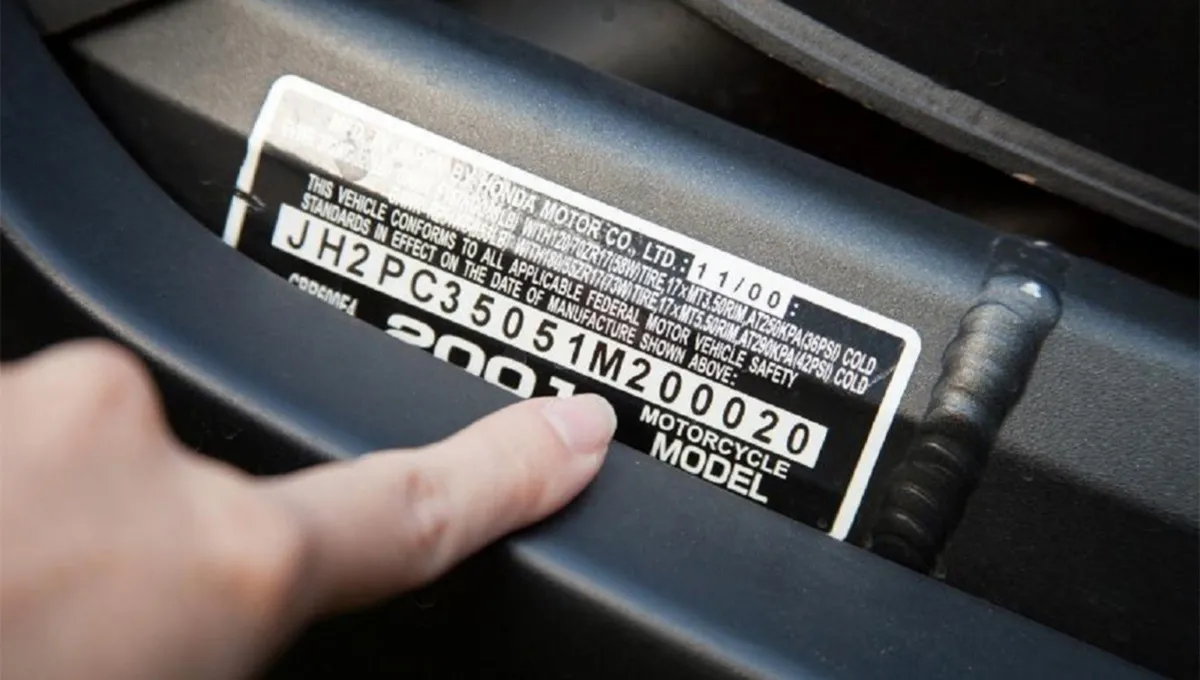
VIN-Based Auto Parts Lookup: Where Buyers Make the Most Mistakes
A VIN helps identify the right replacement part for your vehicle, but it cannot account for every change. Here’s what sellers need to know.
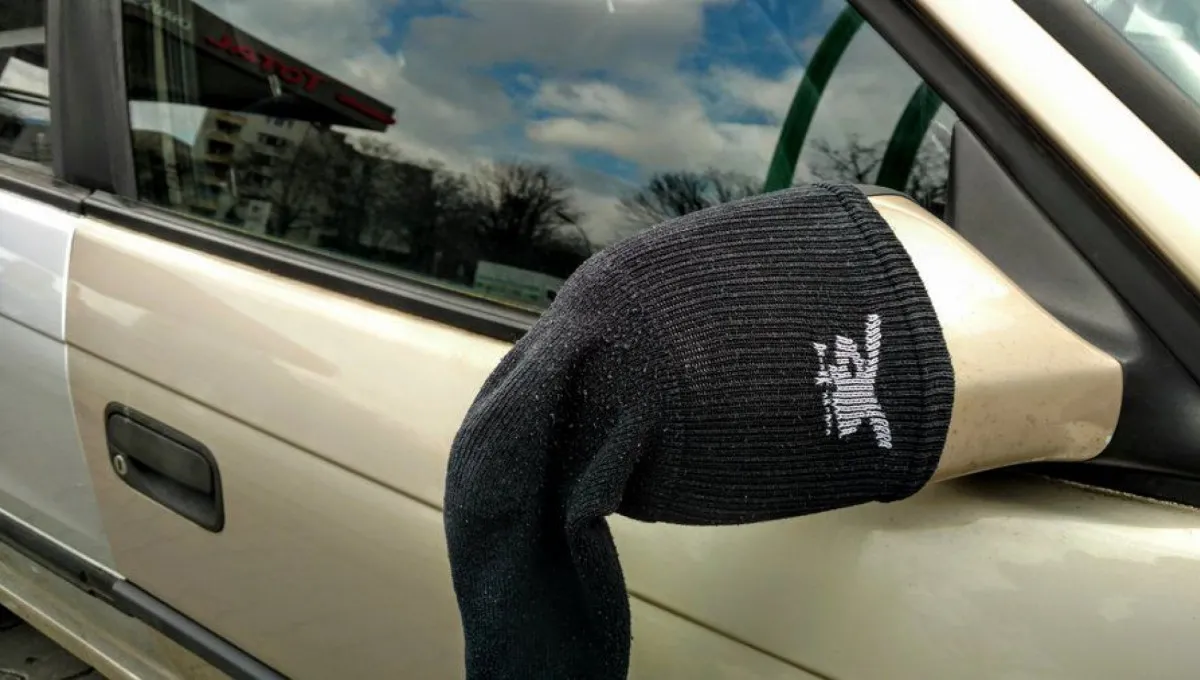
Why Experienced Drivers Put Socks on Their Car Mirrors in Fall: The Clever Trick Explained
An old pair of socks can help reduce frost buildup on your side mirrors overnight, saving time on cold mornings when every minute counts.
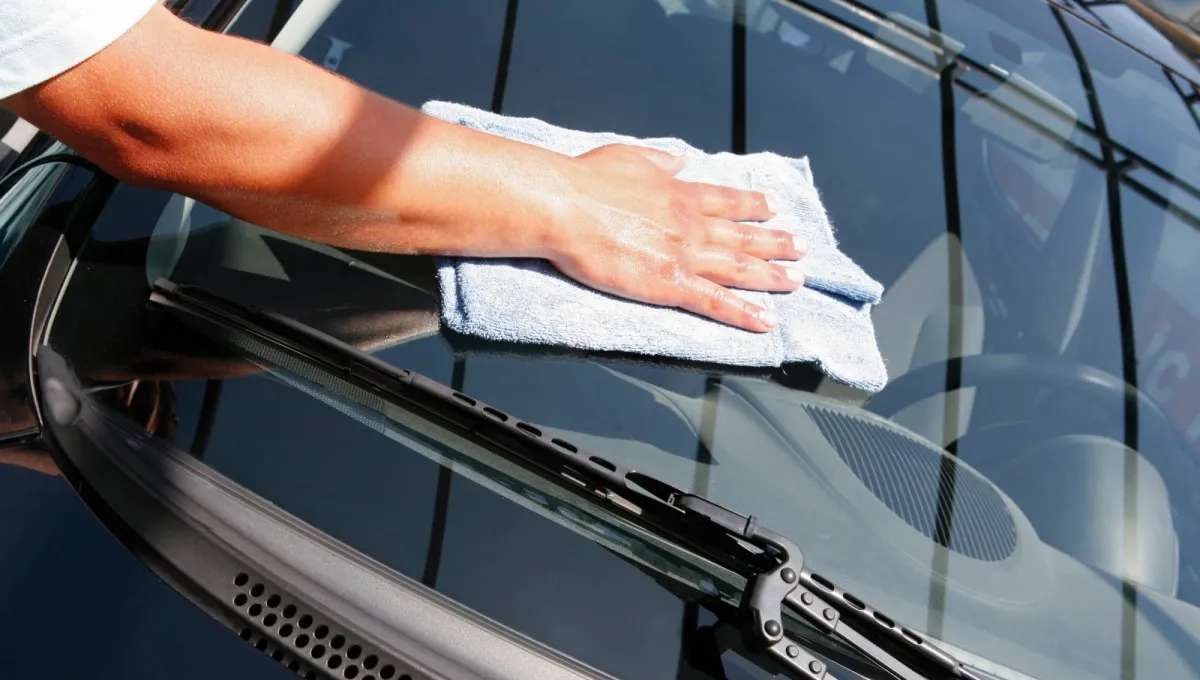
How to Clean Your Windshield Without Streaks: Experts Recommend This Simple DIY Mix
The secret to a streak-free windshield comes down to the right cleaning solution, two microfiber cloths, and the proper drying technique.