
Why Your Seat Belt Won’t Retract — and How to Fix It
A seat belt that refuses to retract can signal dirt buildup or wear inside the mechanism.
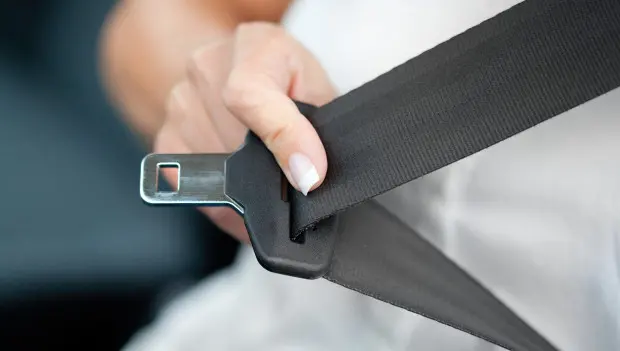
A seat belt is one of the most important safety components inside any vehicle. Like any mechanical system, however, it can eventually malfunction. One common issue drivers encounter is a seat belt that suddenly stops retracting properly. The problem appears across many makes and models, so it’s worth understanding why it happens—and what you can do to fix it.
You’re about to close the door when you hear that unmistakable clank. The seat belt has slipped out and gotten caught in the door because it didn’t retract in time—or didn’t retract at all. The result can be a damaged belt, chipped paint, and plenty of frustration. Interestingly, many American drivers simply guide the belt back manually and move on without investigating the cause. But the real question is: why does this happen in the first place?
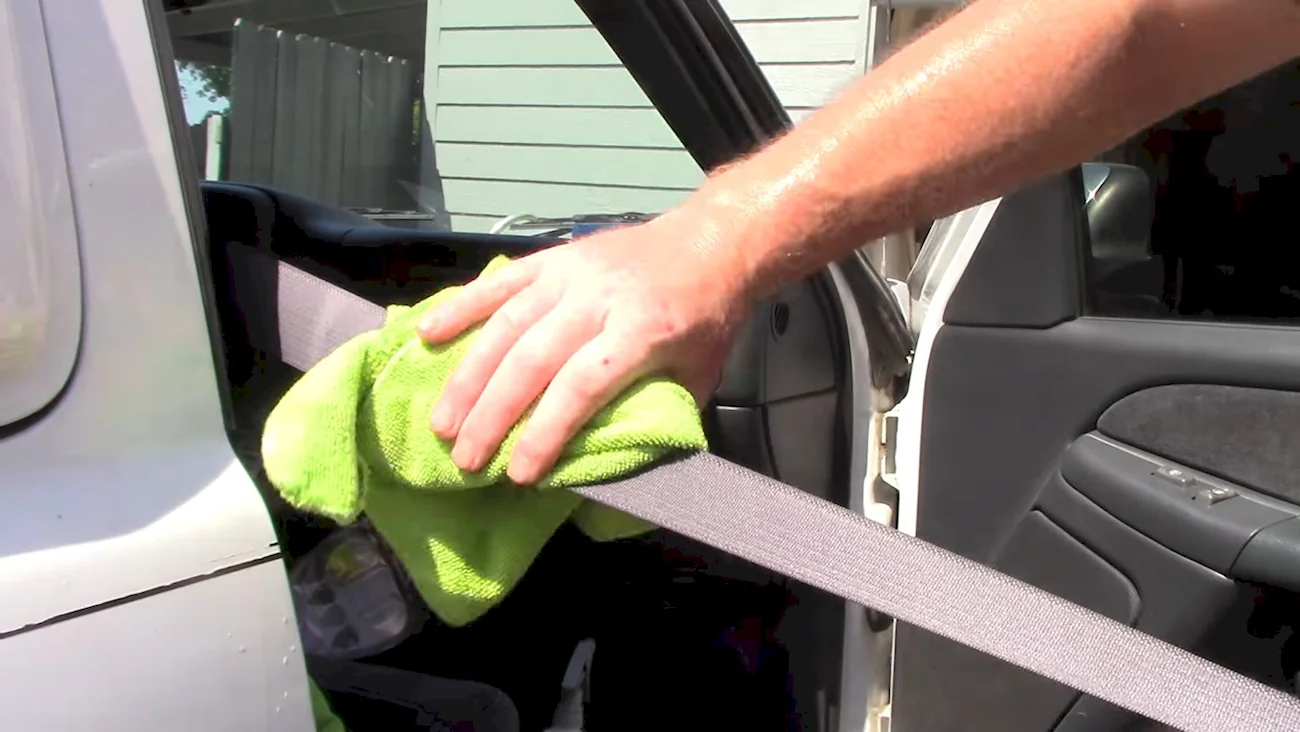
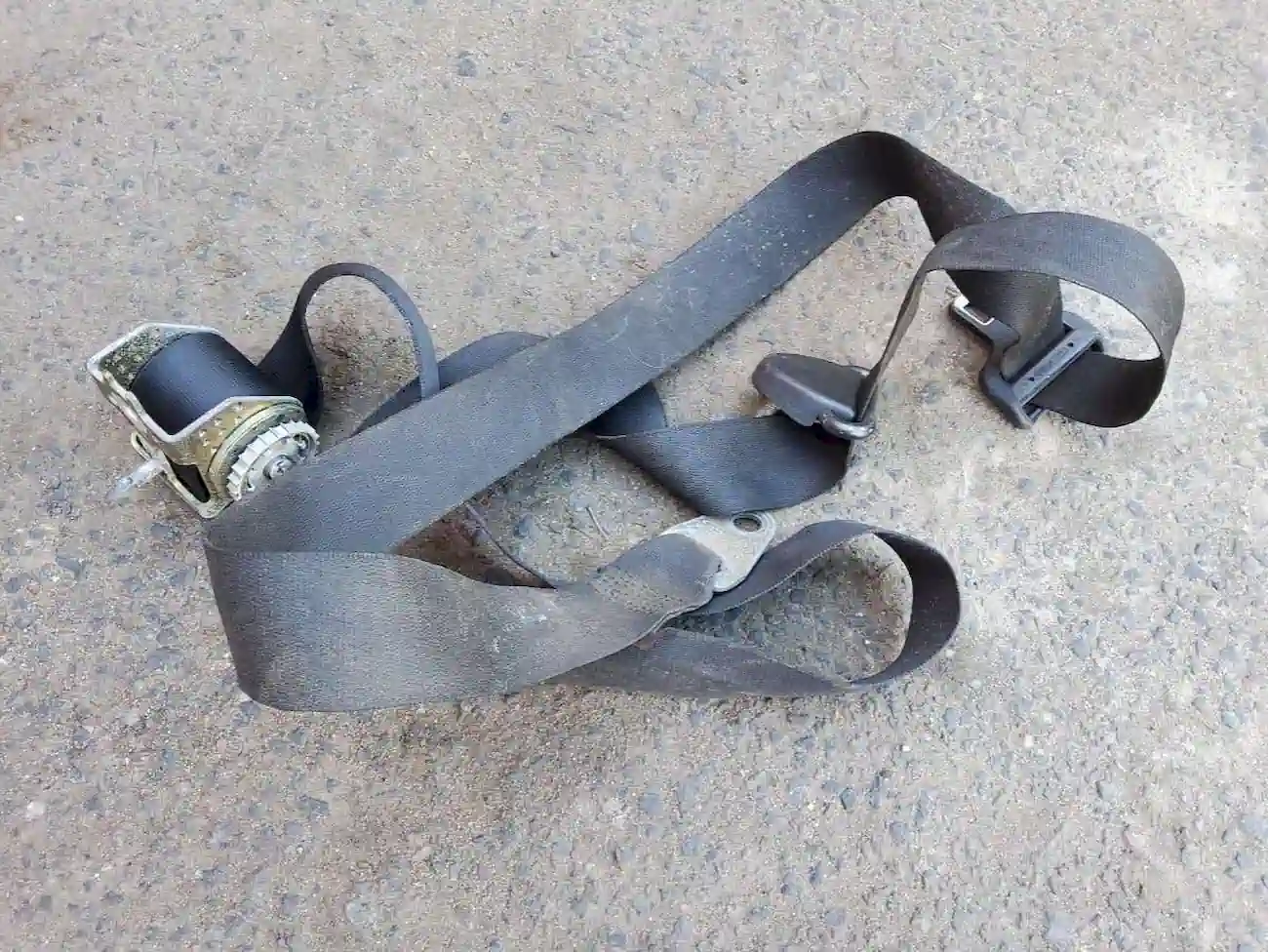
The most common reason is dirt inside the retractor mechanism. Dust and debris are everywhere, and over time they find their way into small moving parts. Dirt that collects on visible surfaces is easy to clean, but internal components are harder to inspect and maintain. When grime builds up inside the retractor assembly, the moving parts can no longer operate smoothly, preventing the belt from winding back properly. In many cases, the solution is to remove the seat belt assembly and clean the mechanism. If you don’t have the right tools or experience, it’s best to have a professional handle the job.
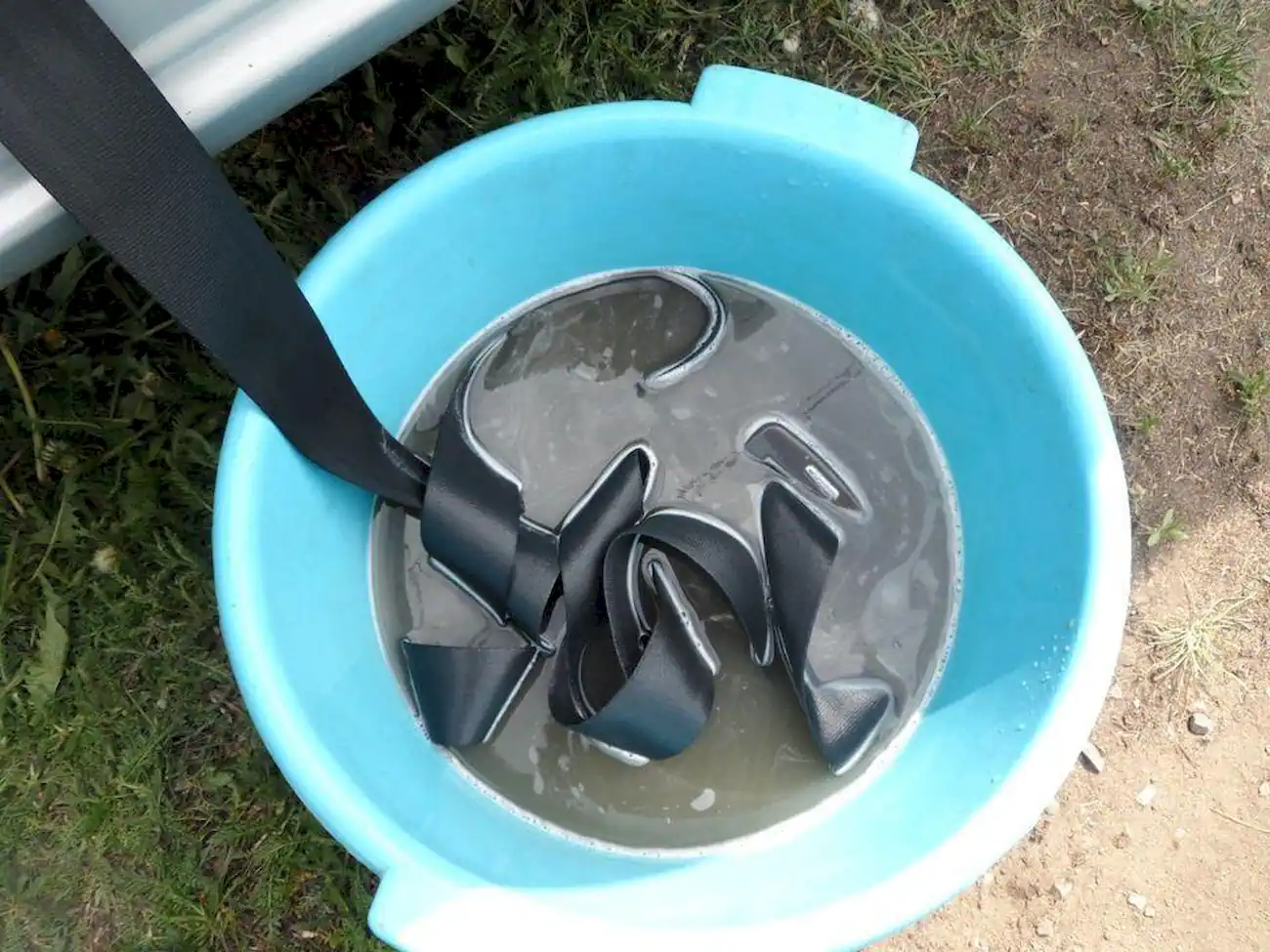
A second—and often more serious—cause is contamination of the belt webbing itself. During a typical day, our hands pick up oils, grease, and dirt. Since drivers handle the seat belt multiple times every day, those residues gradually accumulate on the fabric. Over time, the buildup makes the belt surface slick. When that happens, the rollers inside the retractor may slip instead of gripping the belt properly, preventing it from retracting.
Fixing this issue usually requires removing the belt and washing the webbing with a mild detergent and water. It’s a simple maintenance step that many drivers overlook. In fact, cleaning the seat belt once a year can help keep the mechanism working smoothly and extend the life of the entire system.
You may also be interested in the news:
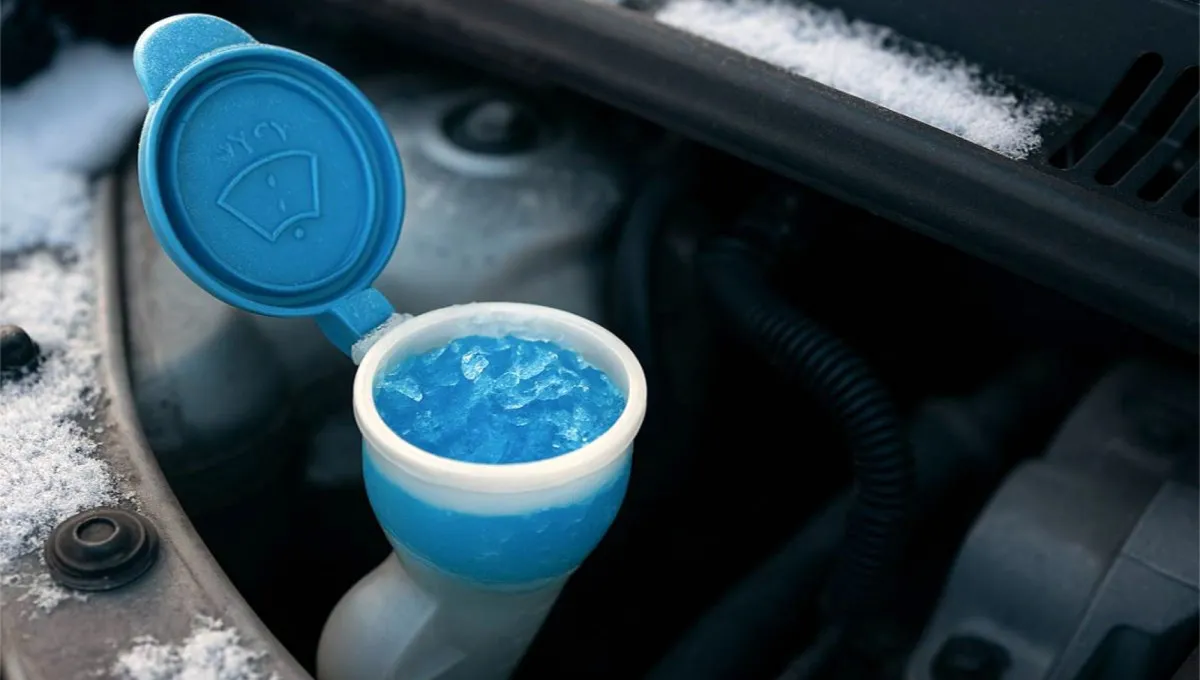
Windshield Washer Fluid Frozen in the Reservoir? Here’s How to Thaw It
A frozen washer system can catch drivers off guard, especially when a cold morning reveals that yesterday’s windshield washer suddenly stopped working.
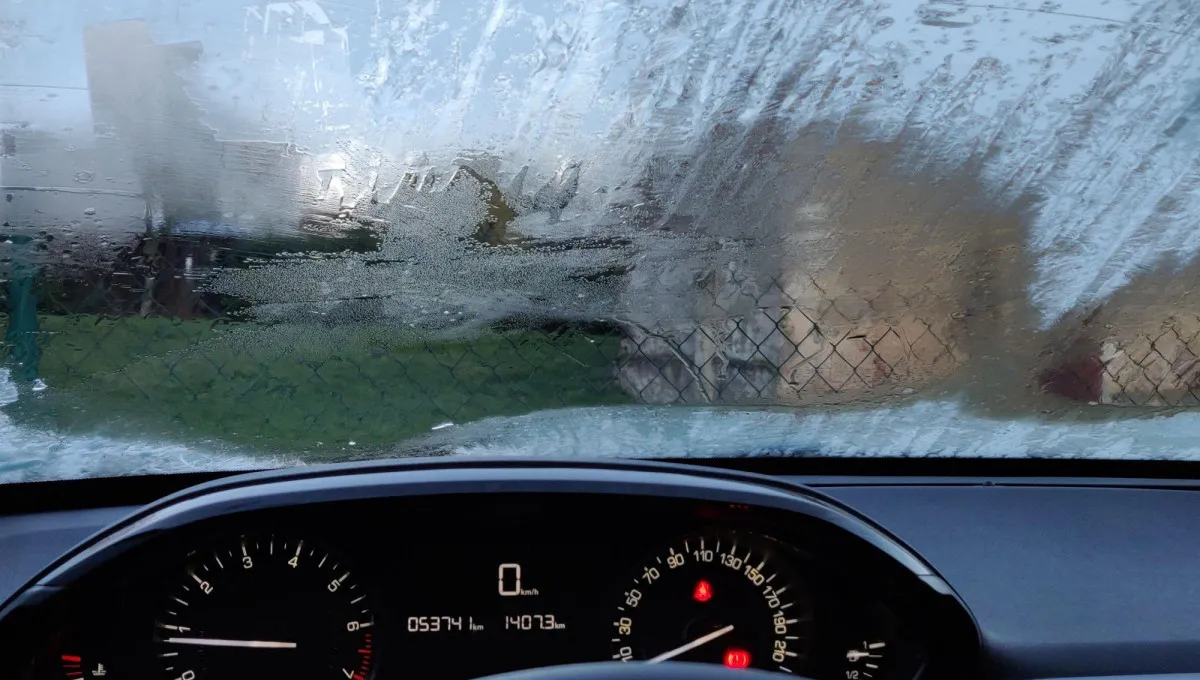
One Car Button Can Make Your Windows Fog Up Faster: What Not to Do in the Rain
Moisture brought into the cabin by drivers and passengers can linger in the air and settle on cold windows, reducing visibility.
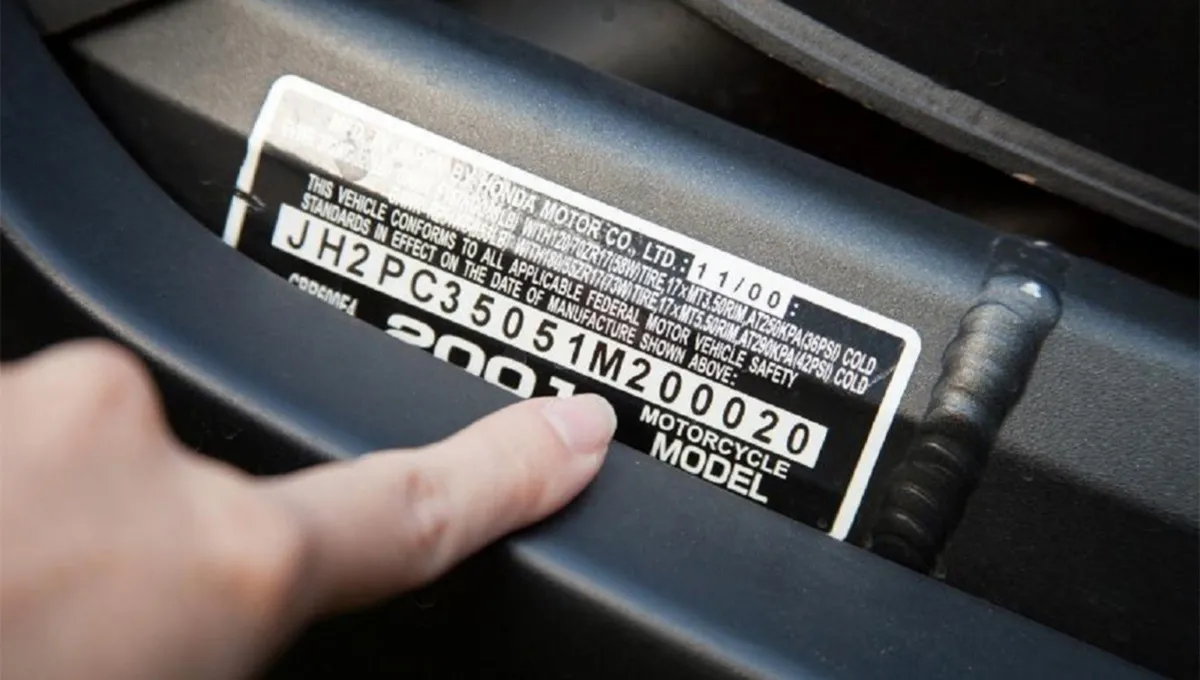
VIN-Based Auto Parts Lookup: Where Buyers Make the Most Mistakes
A VIN helps identify the right replacement part for your vehicle, but it cannot account for every change. Here’s what sellers need to know.
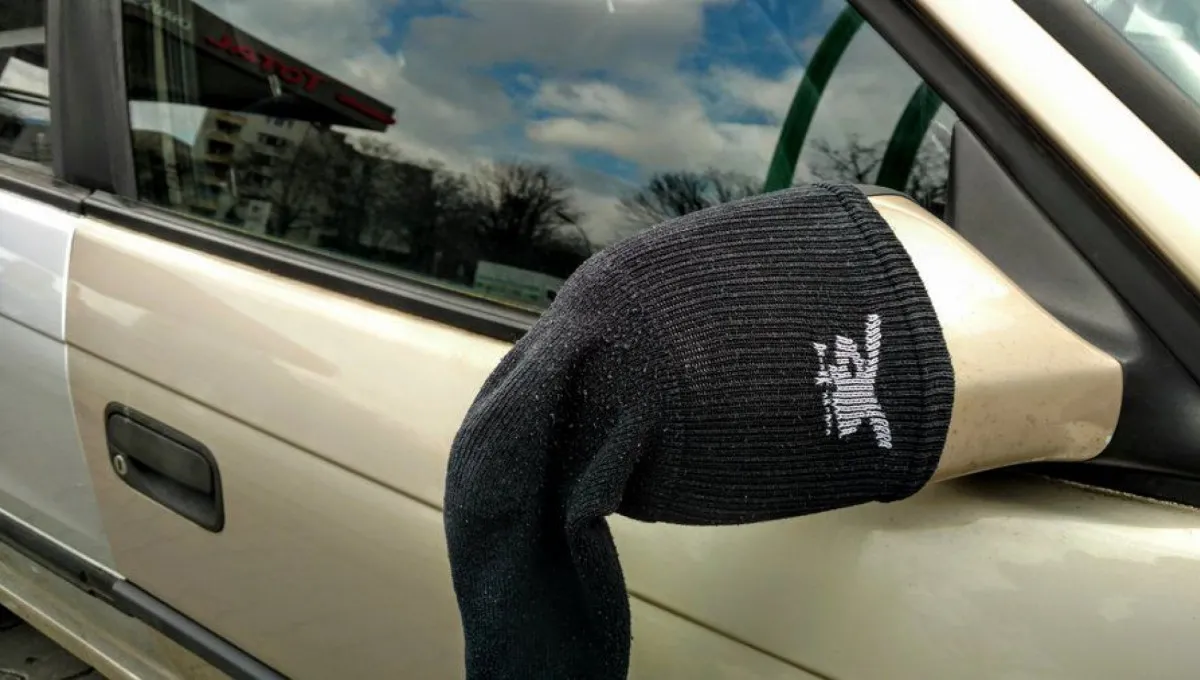
Why Experienced Drivers Put Socks on Their Car Mirrors in Fall: The Clever Trick Explained
An old pair of socks can help reduce frost buildup on your side mirrors overnight, saving time on cold mornings when every minute counts.
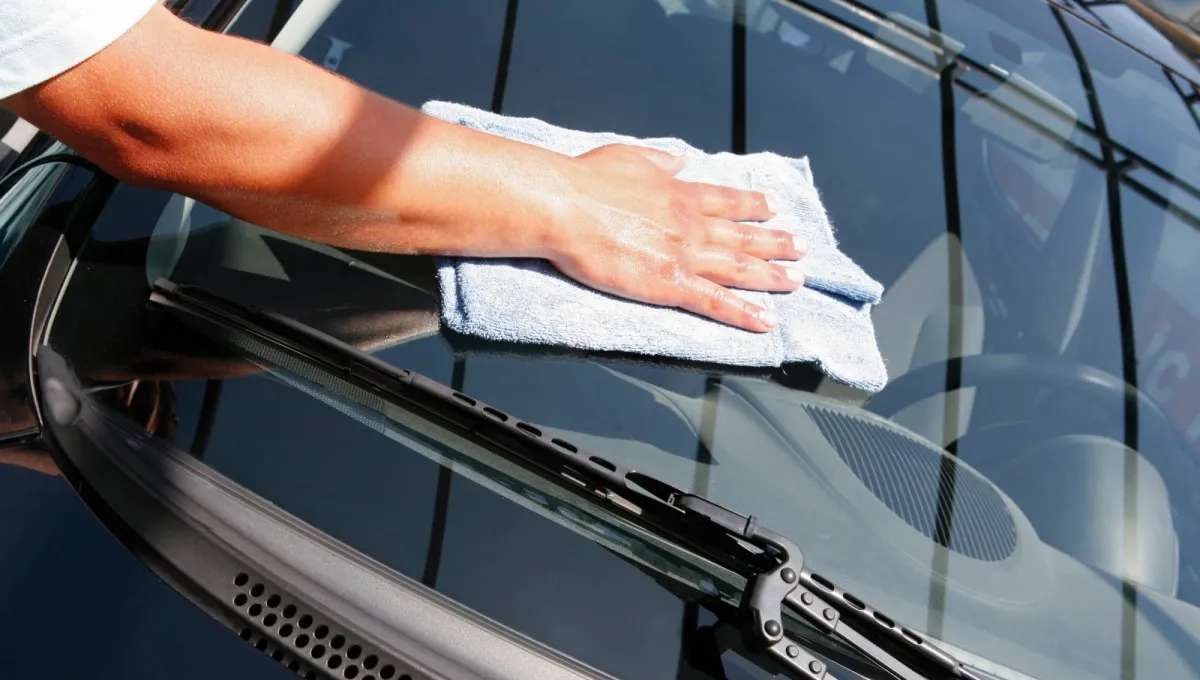
How to Clean Your Windshield Without Streaks: Experts Recommend This Simple DIY Mix
The secret to a streak-free windshield comes down to the right cleaning solution, two microfiber cloths, and the proper drying technique.