
Many Drivers See the DTC Button Every Day—but Few Know What It Actually Does
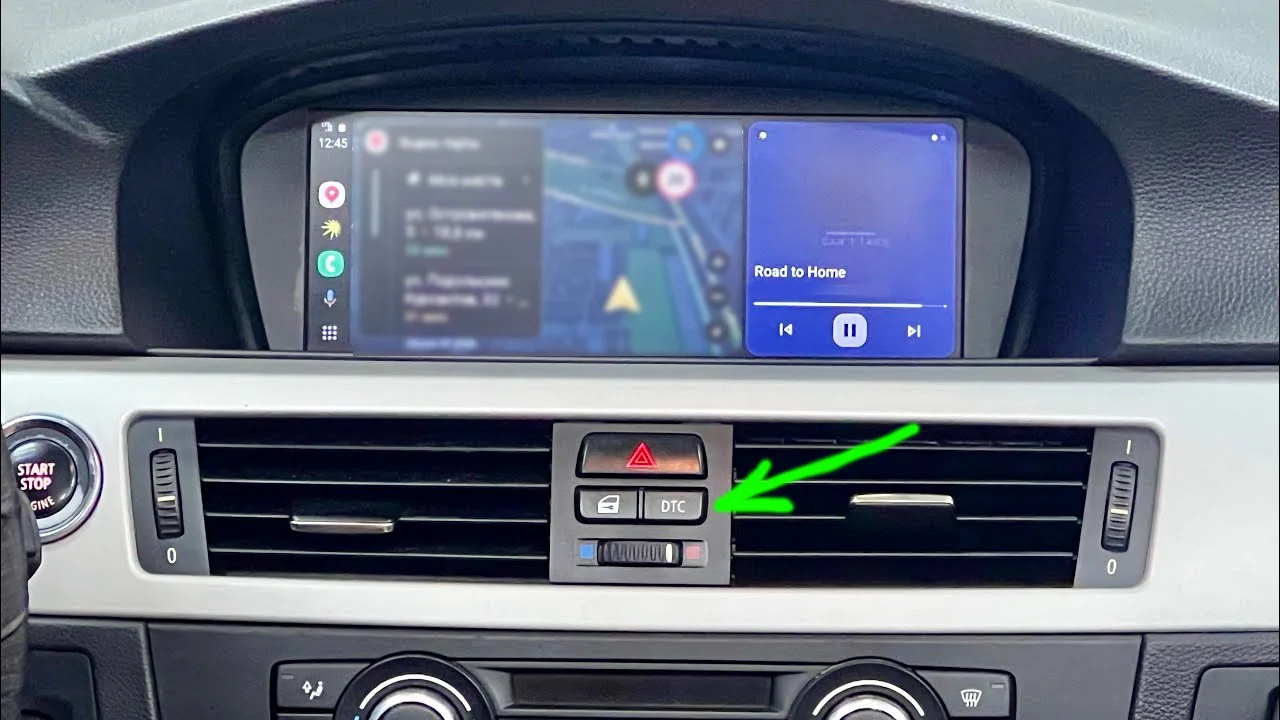
The DTC button in many cars helps drivers maintain traction in snow, mud, and slippery conditions.
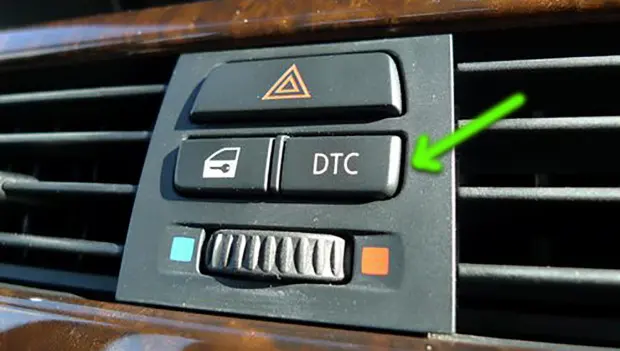
Modern vehicles are filled with buttons, switches, and driving modes. Some of them are used every day—like the rear defroster or climate control. But others remain a mystery to many drivers. One of those lesser-known features is the DTC button.
If you browse automotive forums or Q&A websites, it quickly becomes clear that plenty of drivers have owned their cars for years without knowing what this button actually does. Some admit they avoided pressing it because they worried the car might behave strangely. Others assumed the button didn’t work at all because they never noticed a difference.
What the DTC Button Really Means
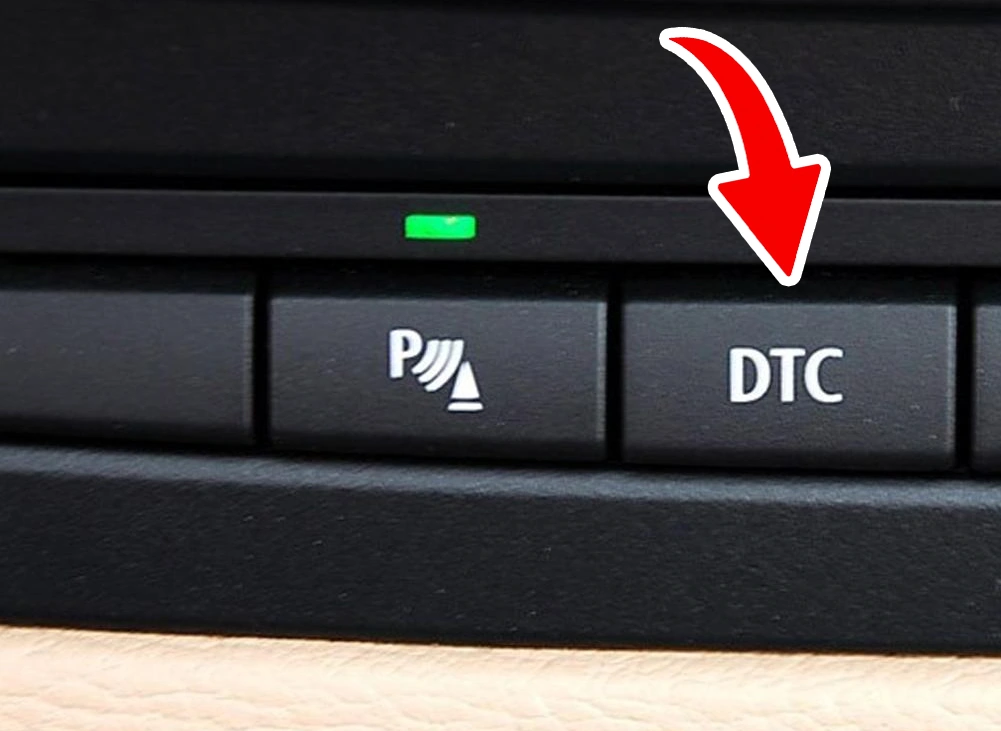
The abbreviation DTC stands for Dynamic Traction Control. It’s part of the vehicle’s stability control system and helps manage engine power and braking so the wheels maintain traction on the road.
Under normal driving conditions, a car operates with its stability system fully active. The system constantly monitors wheel speed, steering angle, and other data. If the electronics detect that the vehicle is starting to slide or the wheels are spinning excessively, the system automatically reduces engine power or applies braking to specific wheels.
In many situations, this electronic assistance works perfectly. But sometimes it can actually make things harder for the driver.
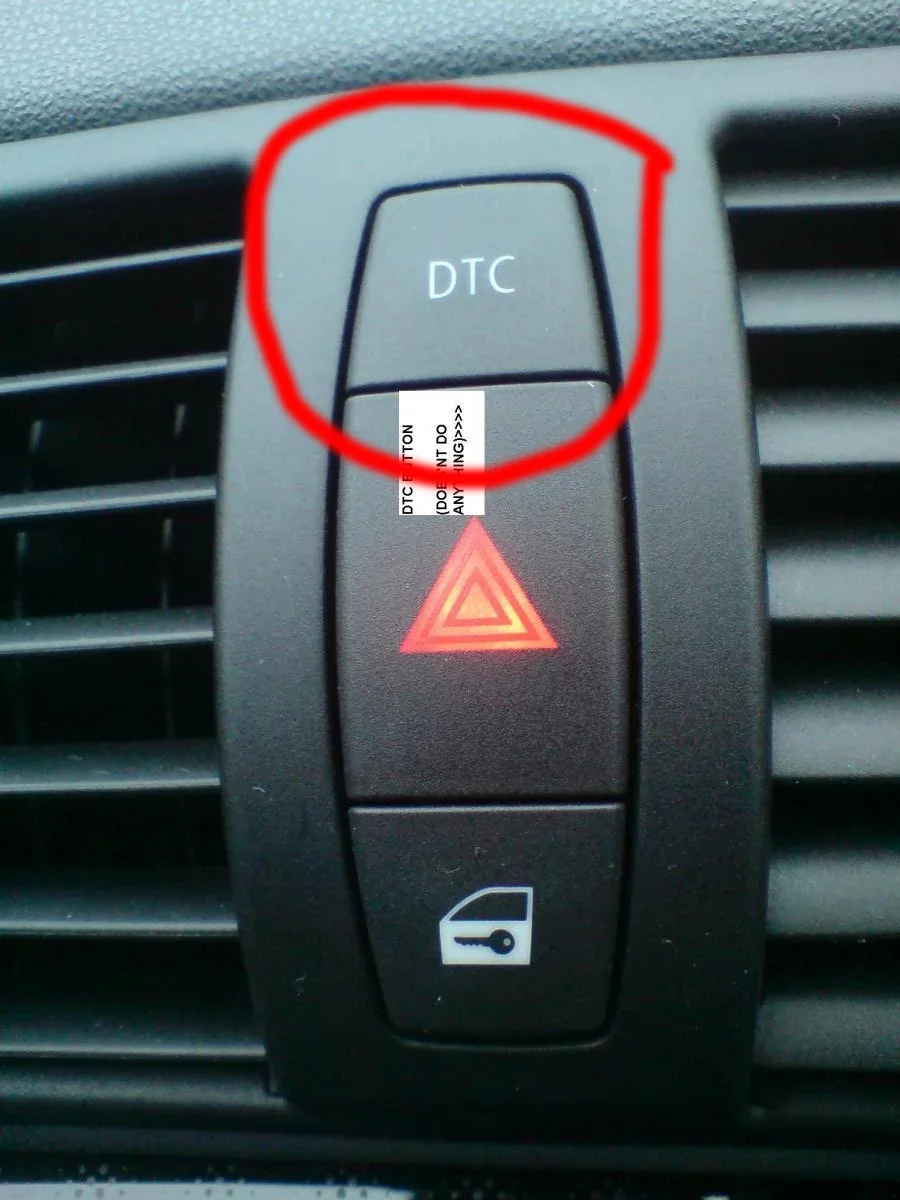
Why Drivers Sometimes Need DTC
A good example happens during winter. When a vehicle tries to start moving in deep snow, the wheels sometimes need a little bit of spin to dig through the snow and find traction. If the stability system intervenes too aggressively, it may cut engine power so quickly that the vehicle can’t move at all.
That’s exactly where the DTC button comes into play.
When the driver presses the button, the vehicle switches to a special traction-control mode. The electronics still monitor the situation, but they intervene more gently. This allows the wheels to spin slightly, which can help the vehicle move through loose snow, mud, or sand.
Real-World Examples From Drivers
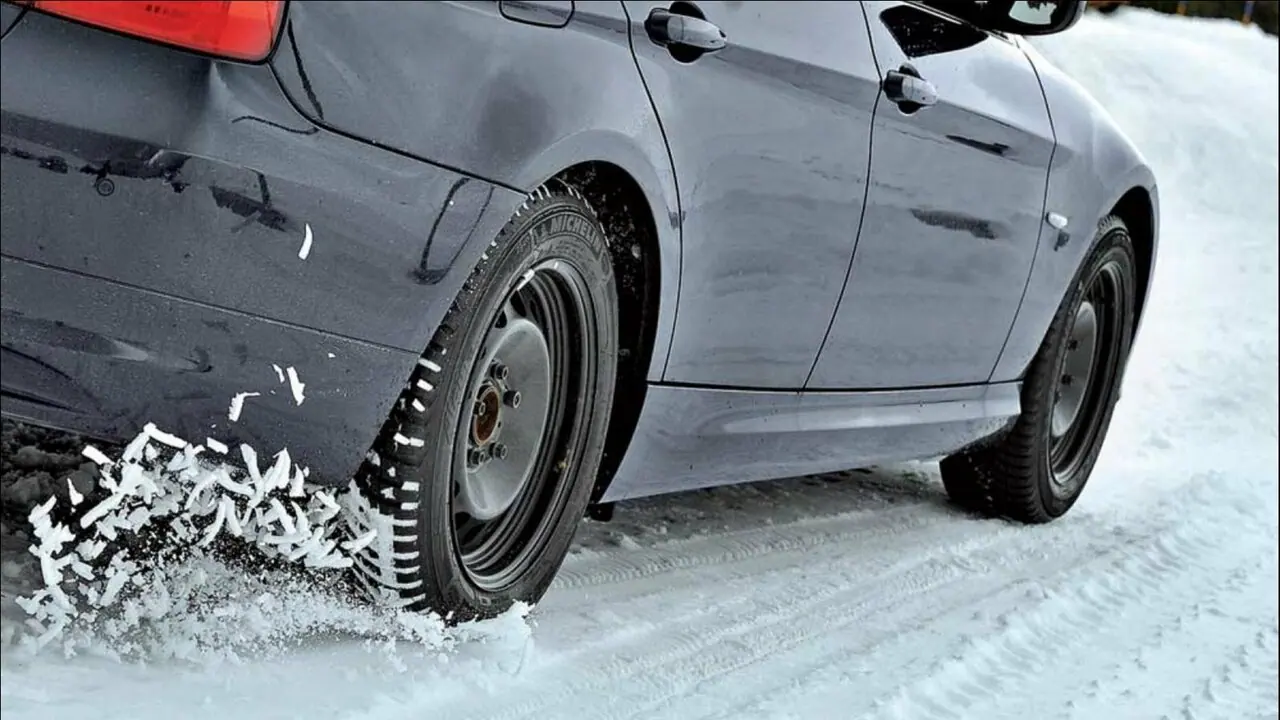
On car forums, drivers often share stories about how the feature helped them get out of difficult situations. One driver described getting stuck in a parking lot after a heavy snowstorm. The car refused to move because the traction system immediately reduced engine power. After switching on DTC mode, the wheels were allowed to spin slightly—and within seconds the vehicle pulled free.
Another driver reported a similar experience on a muddy dirt road after heavy rain. In normal mode, the vehicle barely responded to the accelerator. But once DTC was activated, the wheels had more freedom to spin and the car managed to climb out of the slippery section.
Important: DTC Doesn’t Turn Off Stability Control
It’s important to understand that DTC does not completely disable stability control. Many drivers confuse the two modes.
Fully turning off electronic stability systems usually requires holding the button for several seconds or performing a specific sequence. In DTC mode, the main safety systems remain active—their intervention is simply less aggressive.
When You Should Use DTC
Automotive experts often note that this mode should only be used in specific conditions. DTC can be helpful when driving on snow, ice, sand, or mud—situations where a little wheel slip can actually help the vehicle maintain momentum.
On normal roads, however, it’s best to leave the system in its standard setting. Full stability control provides the highest level of safety, especially at highway speeds or on wet pavement.
Interestingly, many drivers don’t even notice the DTC button in their car until they come across a discussion about it online. After learning what it does, some begin experimenting with the feature and discover it can be surprisingly useful in challenging road conditions.
In other words, the DTC button isn’t just a random piece of interior hardware. It’s a thoughtfully designed tool that gives drivers extra control when traction is limited.
That’s why it’s always a good idea to read through your vehicle’s owner’s manual at least once. You might find features built into your car that you never even knew existed.
You may also be interested in the news:
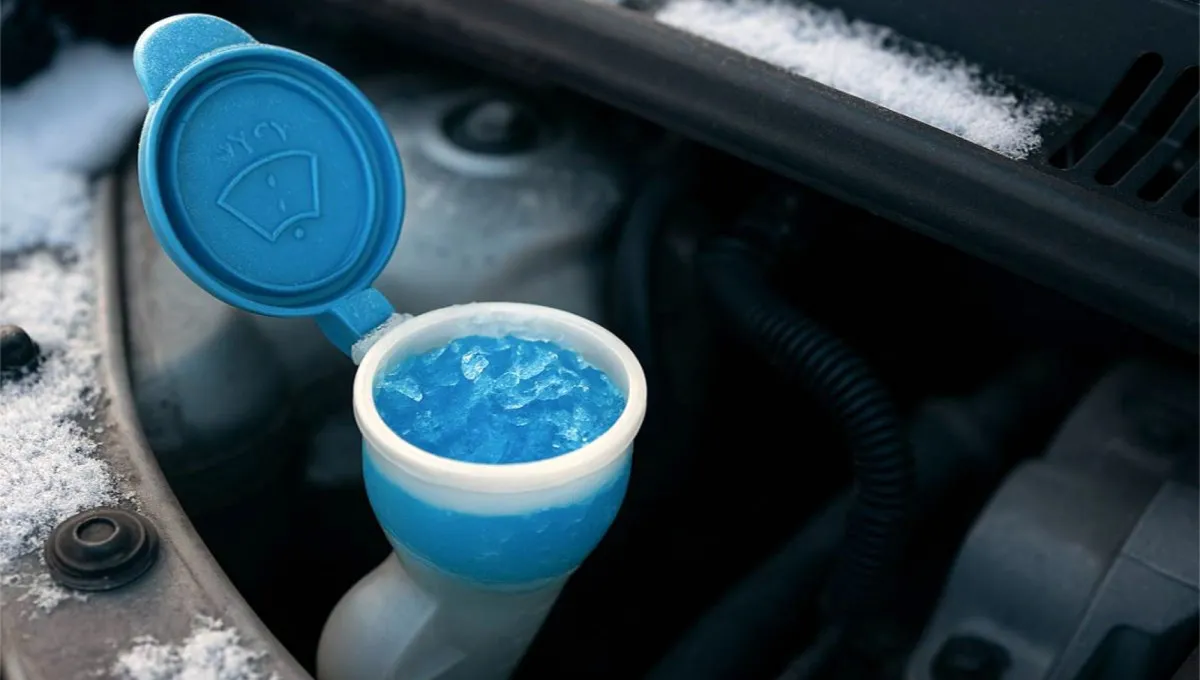
Windshield Washer Fluid Frozen in the Reservoir? Here’s How to Thaw It
A frozen washer system can catch drivers off guard, especially when a cold morning reveals that yesterday’s windshield washer suddenly stopped working.
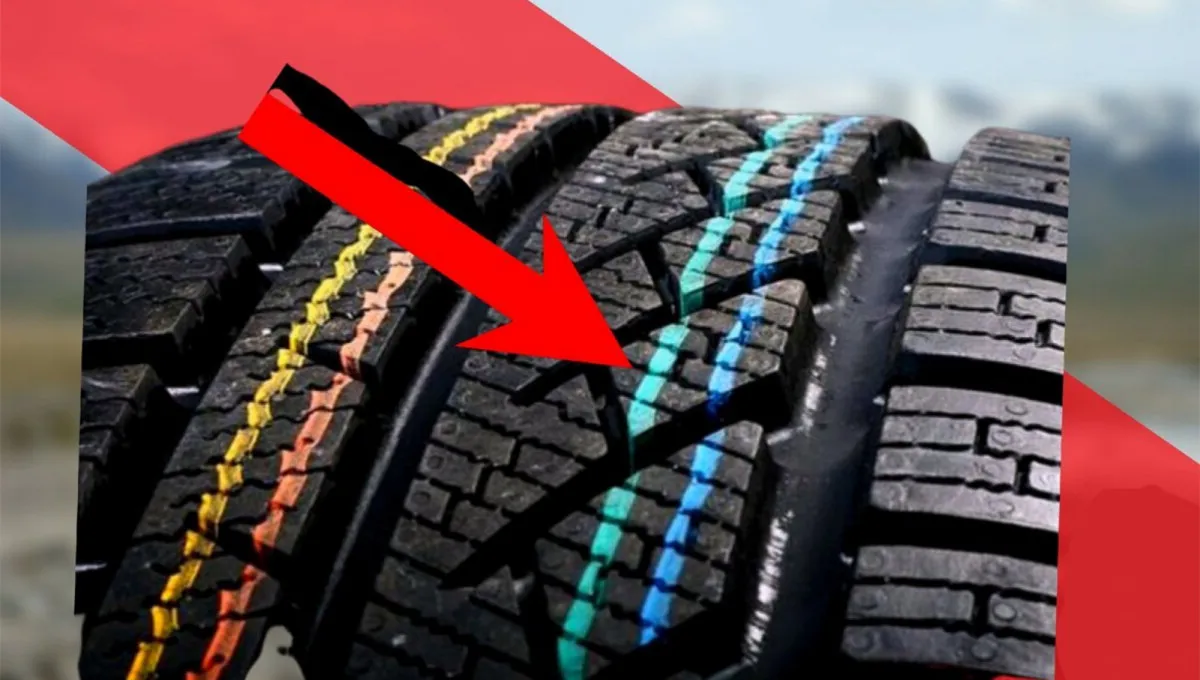
Why Colored Stripes on New Tires Confuse Drivers: What They Really Mean
A blue stripe on one tire brand can mean something entirely different on another, leaving drivers wondering what the markings mean.
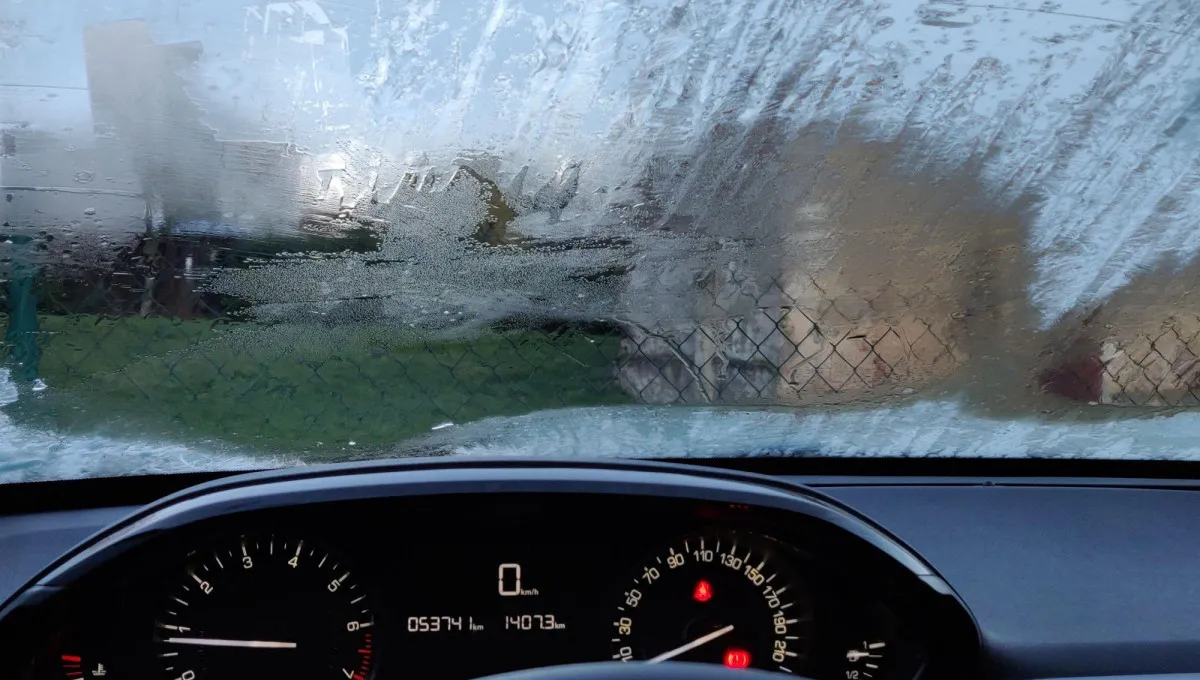
One Car Button Can Make Your Windows Fog Up Faster: What Not to Do in the Rain
Moisture brought into the cabin by drivers and passengers can linger in the air and settle on cold windows, reducing visibility.
VIN-Based Auto Parts Lookup: Where Buyers Make the Most Mistakes
A VIN helps identify the right replacement part for your vehicle, but it cannot account for every change. Here’s what sellers need to know.

Why Experienced Drivers Put Socks on Their Car Mirrors in Fall: The Clever Trick Explained
An old pair of socks can help reduce frost buildup on your side mirrors overnight, saving time on cold mornings when every minute counts.