
Some Drivers Are Drilling Holes in Catalytic Converters to Boost Engine Power
As performance fades over time, some drivers attempt risky tricks to restore lost engine power.
Over time, almost every vehicle begins to lose some of its original performance. Acceleration becomes less responsive, and pressing the gas pedal doesn’t deliver the same punch it once did. One common reason for this decline is a clogged catalytic converter.
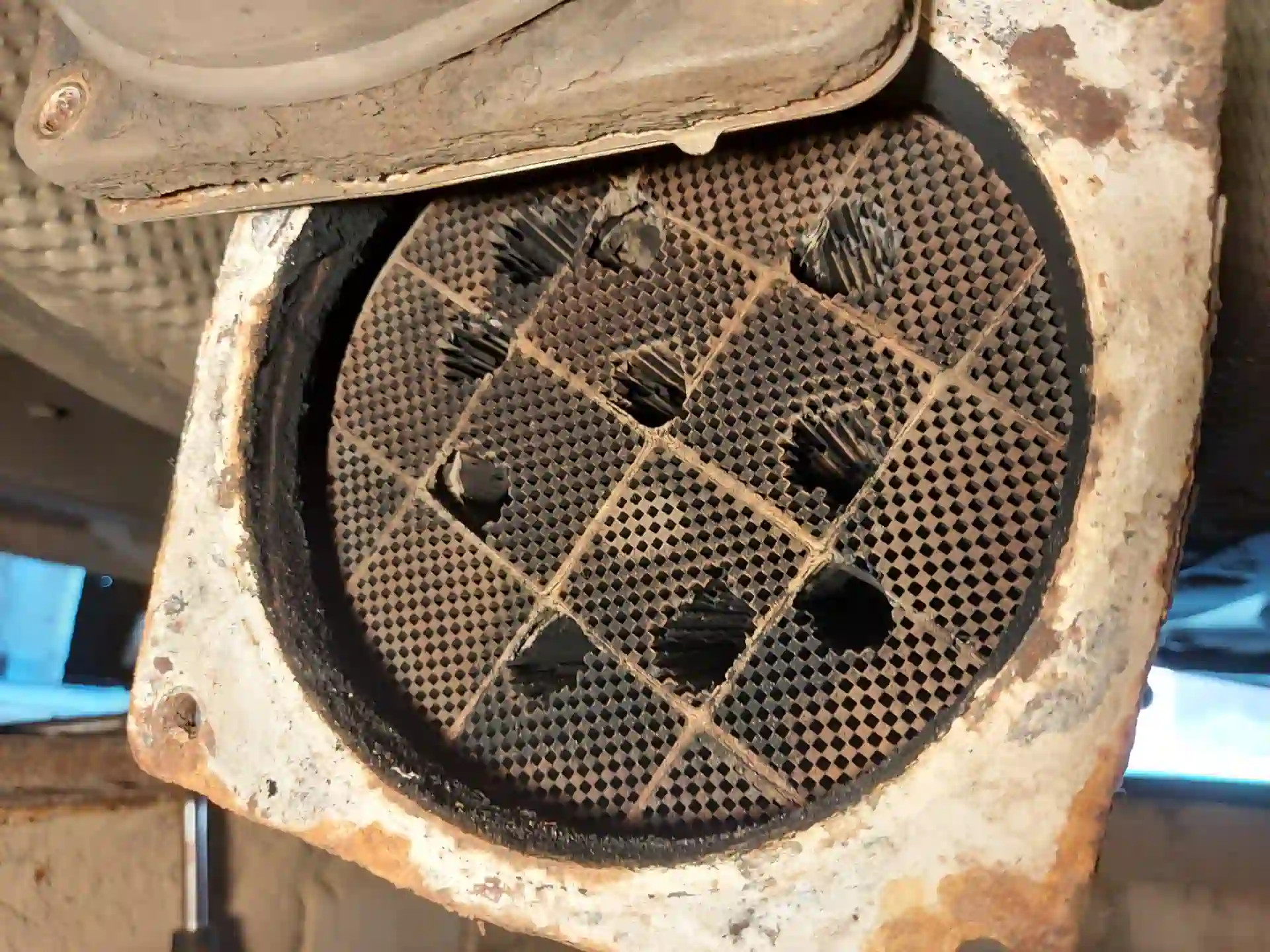
Inside the converter, residues from burned fuel and oil gradually build up. As these deposits accumulate, the internal channels narrow, making it harder for exhaust gases to pass through. The result is increased resistance in the exhaust system, which forces the engine to work harder and can reduce overall performance.
When drivers discover how expensive a replacement catalytic converter can be—often $1,000 to $2,500 or more, depending on the vehicle—not everyone is eager to replace the part. That’s why some car owners start looking for cheaper alternatives.
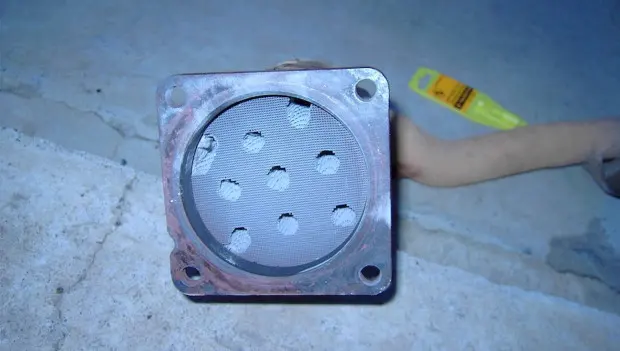
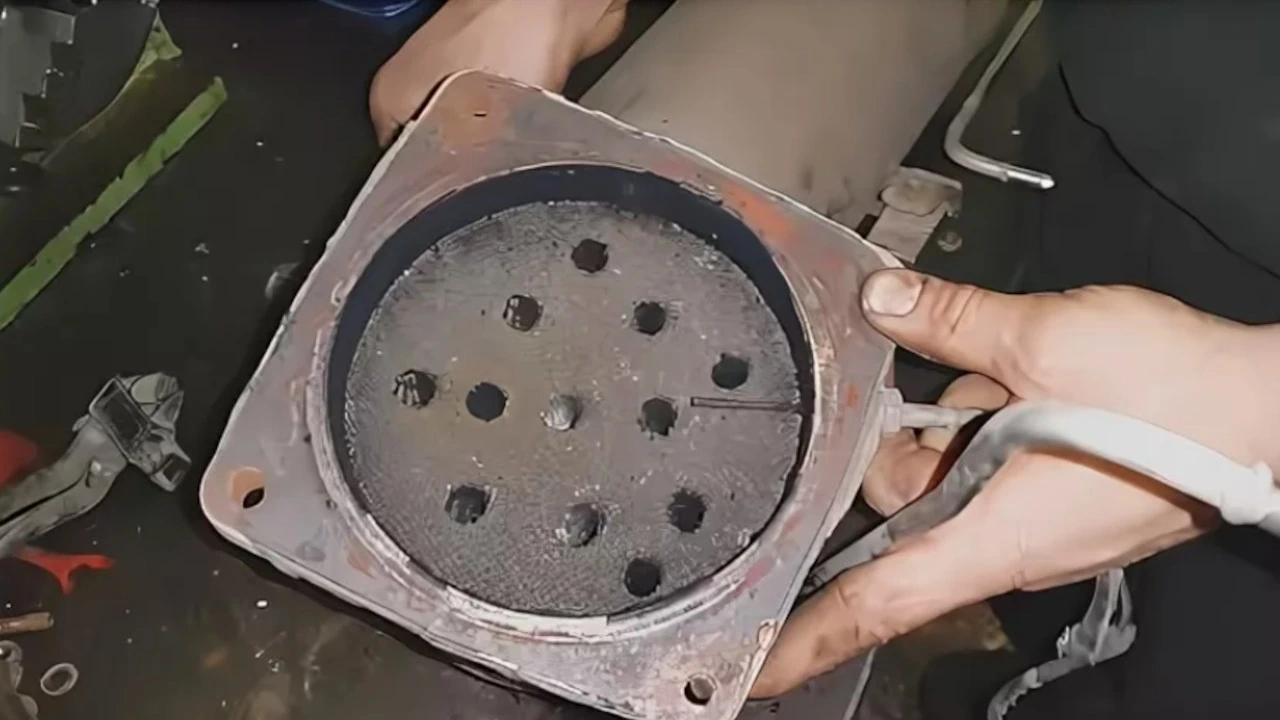
One unusual method sometimes discussed among drivers is drilling small holes in the catalytic converter. The idea is to make it easier for exhaust gases to escape. If some of the internal channels are already partially blocked by buildup, extra openings might slightly reduce exhaust pressure and allow gases to exit faster.
In certain situations, this can lead to a very small increase in engine output. However, the improvement is typically minimal—usually around 1–2 percent more power at best.
Some drivers choose another option: installing a flame arrestor or resonator-style replacement instead of the original catalytic converter. While this can sometimes serve as a temporary solution, attempts to “repair” or modify the converter itself often lead to bigger problems.
When holes are drilled into the converter, fine ceramic dust from the internal structure can remain inside the exhaust system. These particles are almost invisible but can be harmful to the engine. Completely removing them from the exhaust system is extremely difficult.
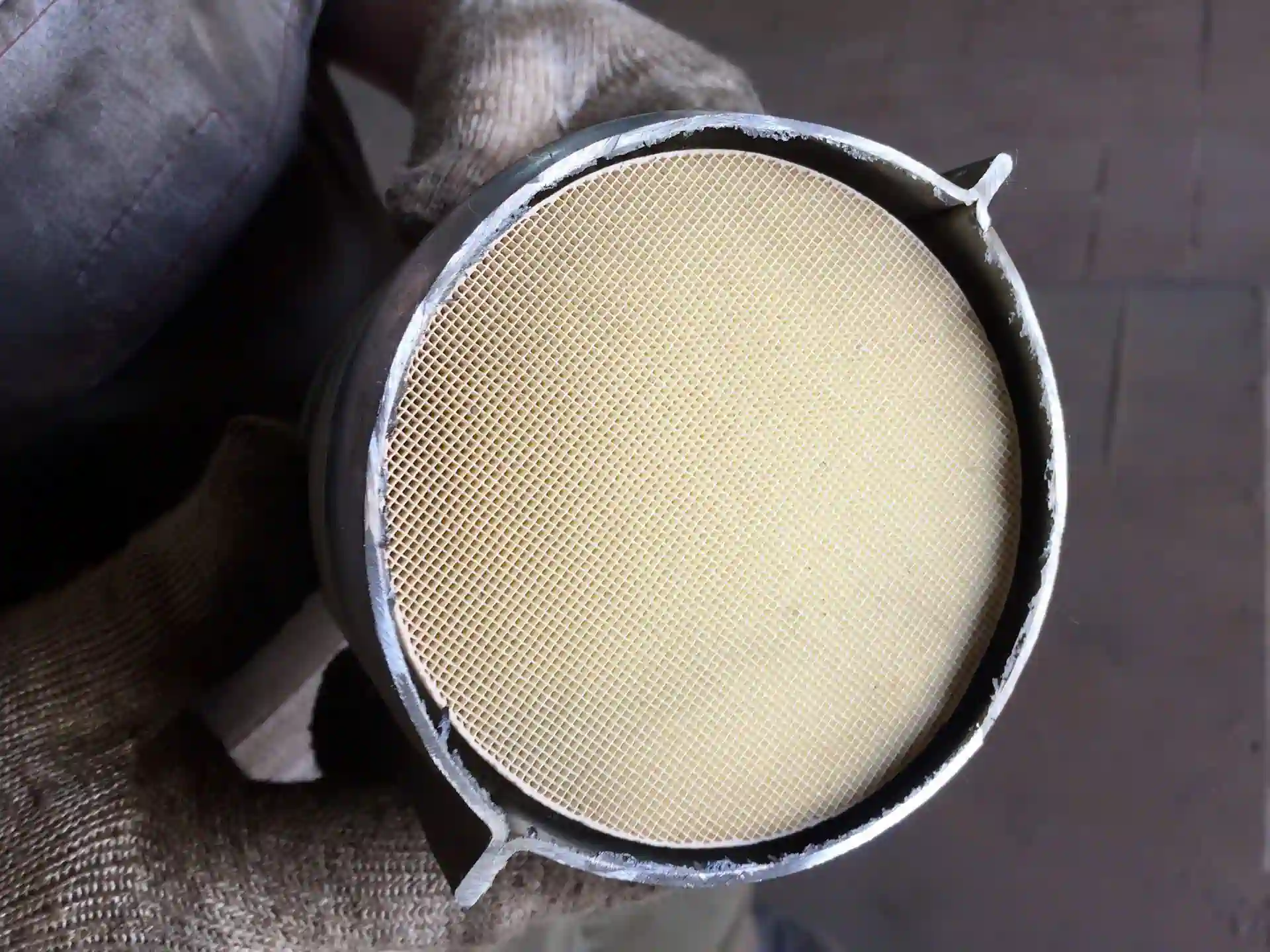
Over time, the dust may find its way into the engine, where it can act like an abrasive material. This can damage cylinder walls, reduce compression, and accelerate engine wear. There’s also the risk that a weakened catalytic converter may eventually break apart internally, potentially blocking the exhaust system completely. If that happens, the vehicle could suddenly lose power and require a tow to a repair shop.
From a technical standpoint, installing a new catalytic converter remains the safest and most reliable solution. With a proper replacement, the vehicle continues operating exactly as the manufacturer intended—without performance issues or long-term mechanical risks.
You may also be interested in the news:
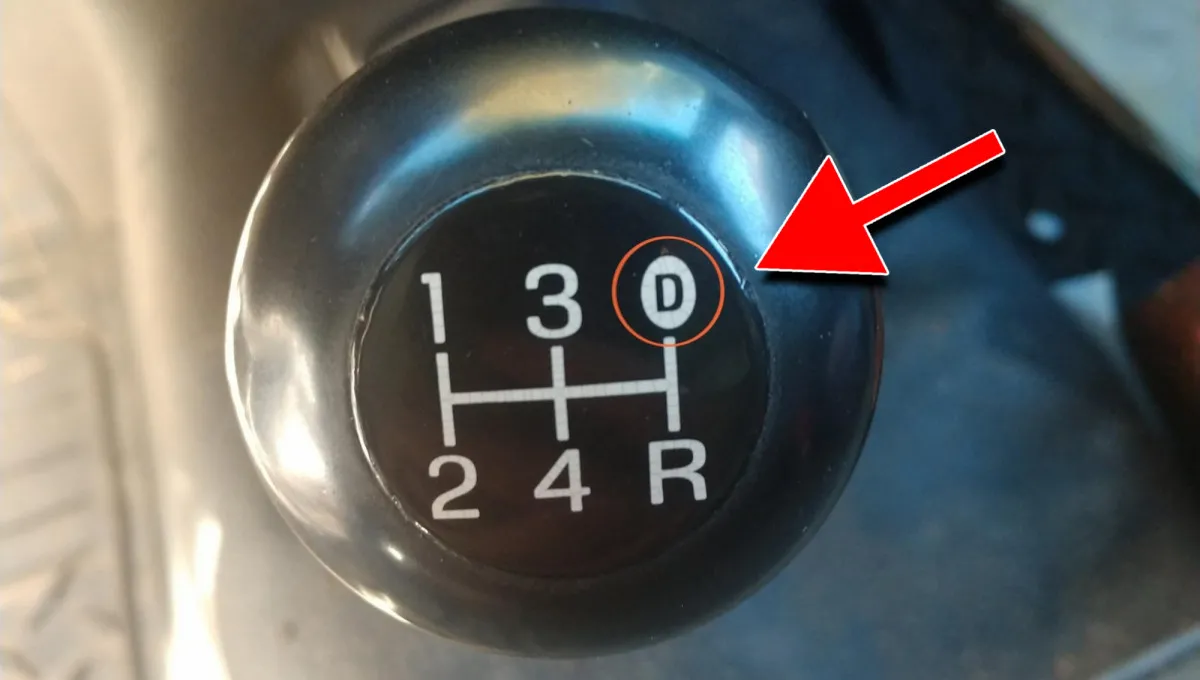
What the “D” on a Manual Transmission Means: Why This Rare Symbol Has Nothing to Do With Automatic Drive
The letter D is usually associated with automatic transmissions, where selecting Drive tells the car to move forward.
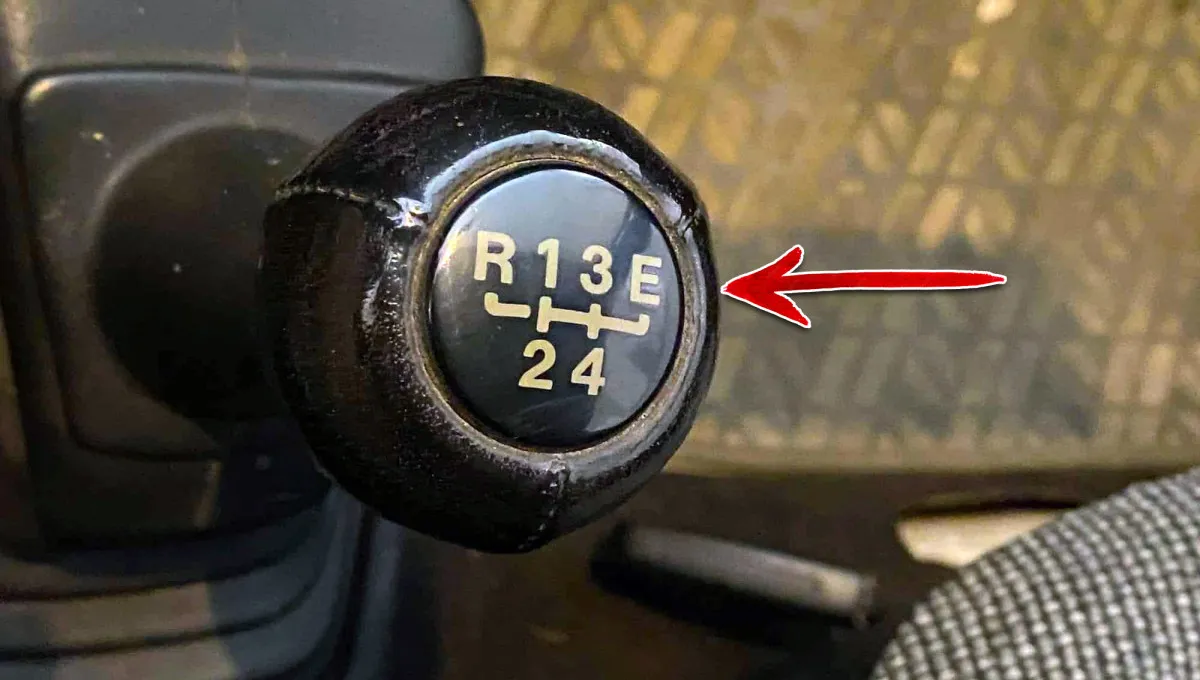
What the “E” on a Manual Transmission Means: It Can Surprise Even Experienced Drivers
The “E” gear was once a common feature in cars with manual transmissions.
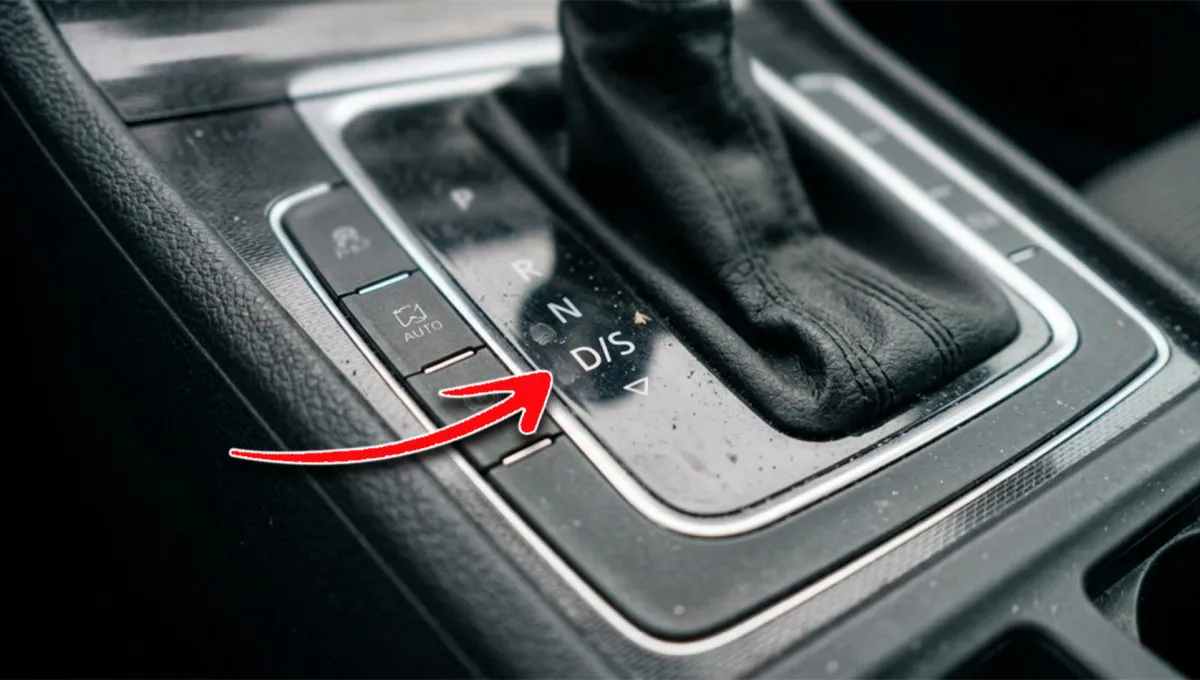
What Does the “D/S” Mode Actually Mean in a Car? Few Drivers Know the Answer
In most vehicles, these two driving modes are shown separately, making the combined “D/S” marking easy to overlook.
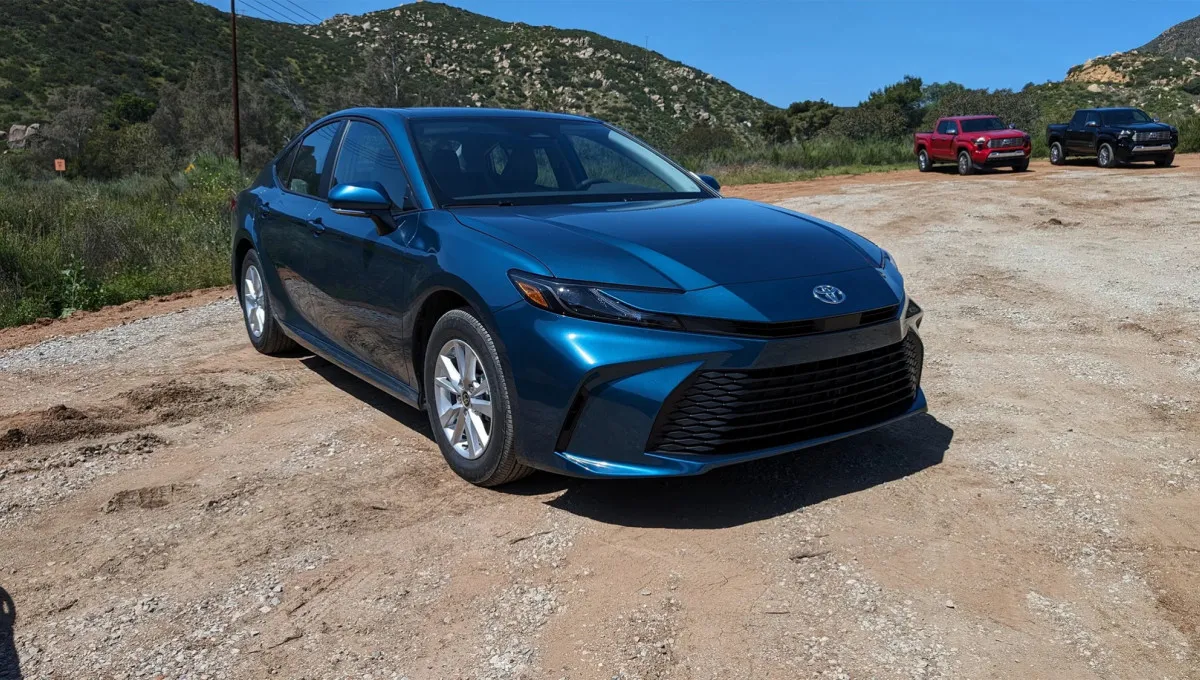
Americans Are Finding Out How Much It Costs to Replace a Hybrid Battery in a Modern Toyota
A Toyota hybrid battery can cost as much as $4,500 to replace, depending on the model and battery type.
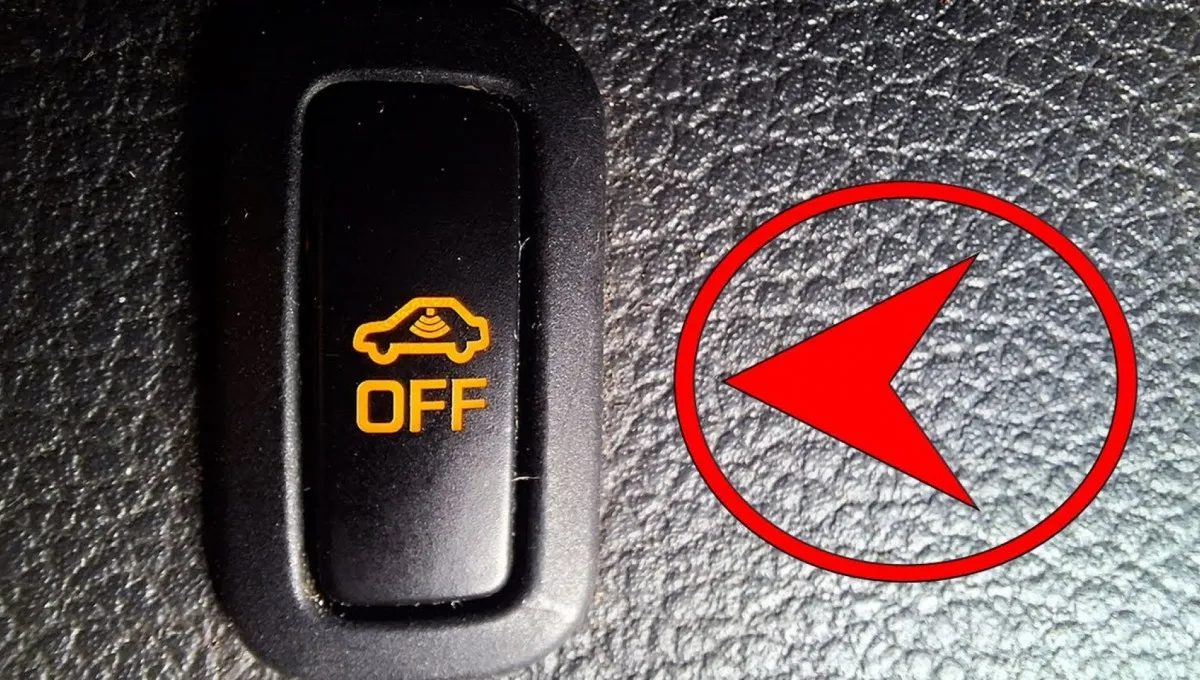
“Owned the Car for 5 Years and Had No Idea”: What Is the “OFF” Button on the Center Pillar For?
A little-known button can prevent your car’s alarm from going off in several common situations.