
What That White Residue on Your Oil Filler Cap Means — and Whether You Should Worry
White residue under the oil cap worries drivers, but it doesn’t always signal trouble.
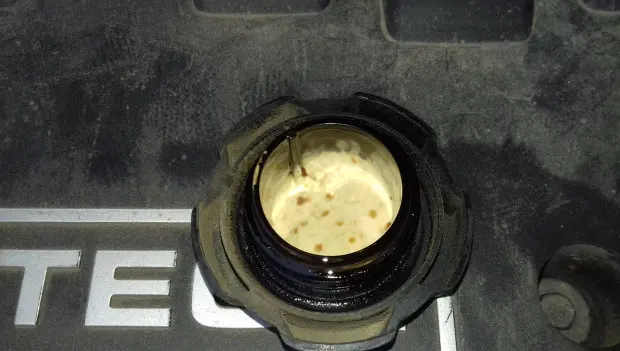
Many parts of a car remain a mystery for the average driver. In fact, even attentive owners might overlook certain details unless someone points them out. That’s unfortunate, because small signs can sometimes hint at developing mechanical issues. One such example is the strange residue that occasionally appears under the oil filler cap.
Drivers often notice a white or slightly yellowish film on the inside of the oil filler cap. This tends to show up most often during colder months or in the transitional seasons between fall and winter or winter and spring.
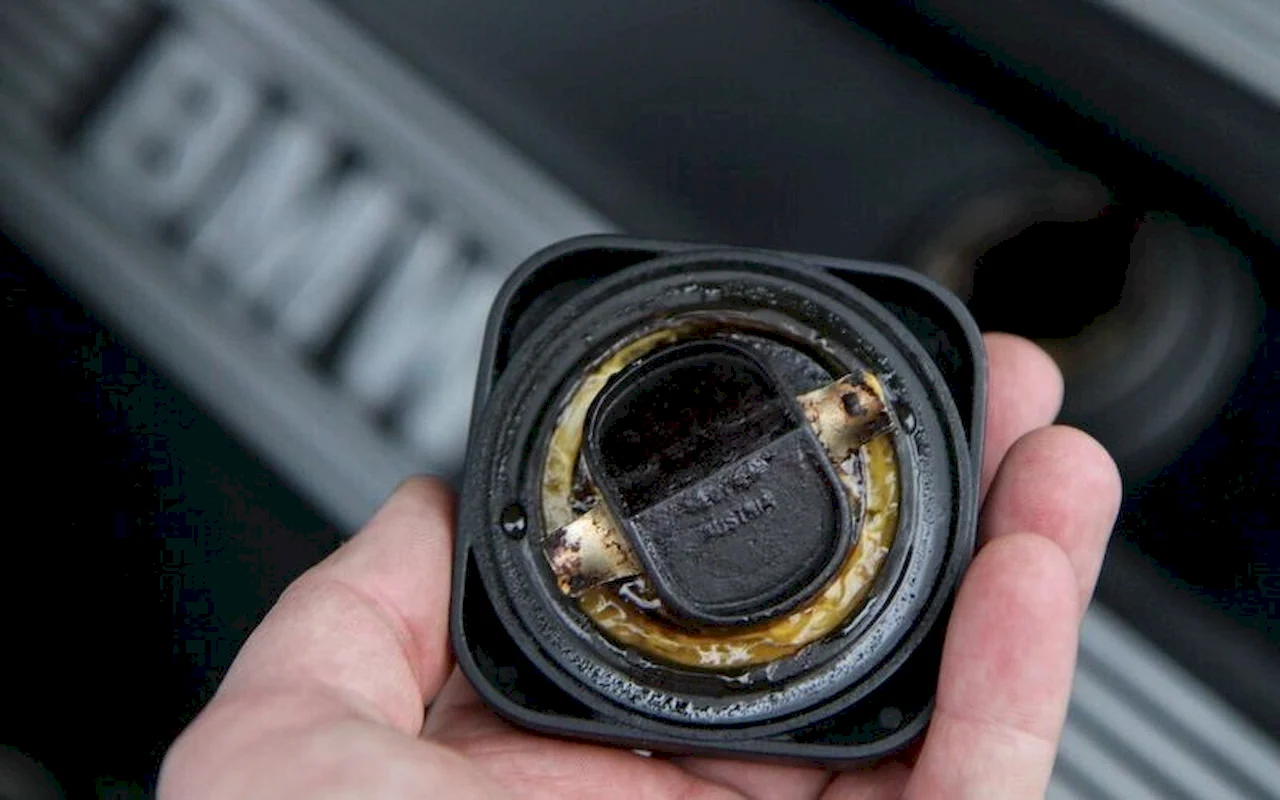
In appearance and texture, the substance resembles an emulsion — a mixture that forms when engine oil and coolant combine. Naturally, seeing something like this can raise concerns. But does it always mean something is wrong with the engine?
In Many Cases, It’s Completely Normal
Under certain climate conditions, this buildup is actually considered normal. Automakers themselves have confirmed that it can happen without indicating a mechanical problem.
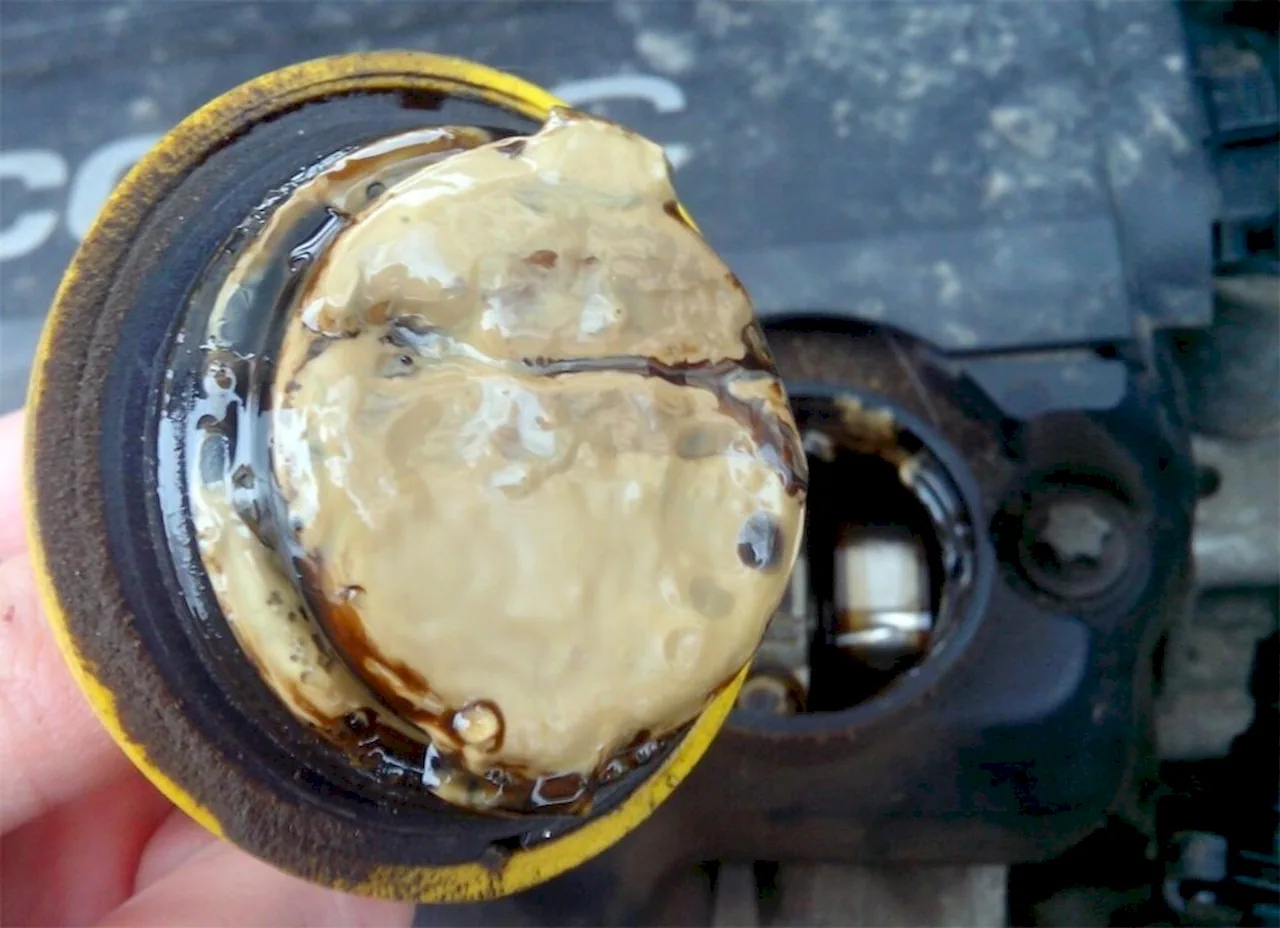
So if you spot this residue on the oil cap, it doesn’t automatically mean your engine is in serious trouble. In most situations, the explanation is much simpler.
During fuel combustion, small amounts of moisture are produced. As the engine cools down, this moisture can condense inside the engine. Condensation tends to form on parts that cool the fastest — and the oil filler cap is one of those places.
When moisture mixes with tiny traces of oil vapor, it can create the creamy white deposit drivers sometimes see under the cap.
When It Could Indicate a Problem
There is one situation where the residue should raise concern. If the same milky substance appears on the lower portion of the oil dipstick — the part that sits directly in the engine oil — it may signal a more serious issue.
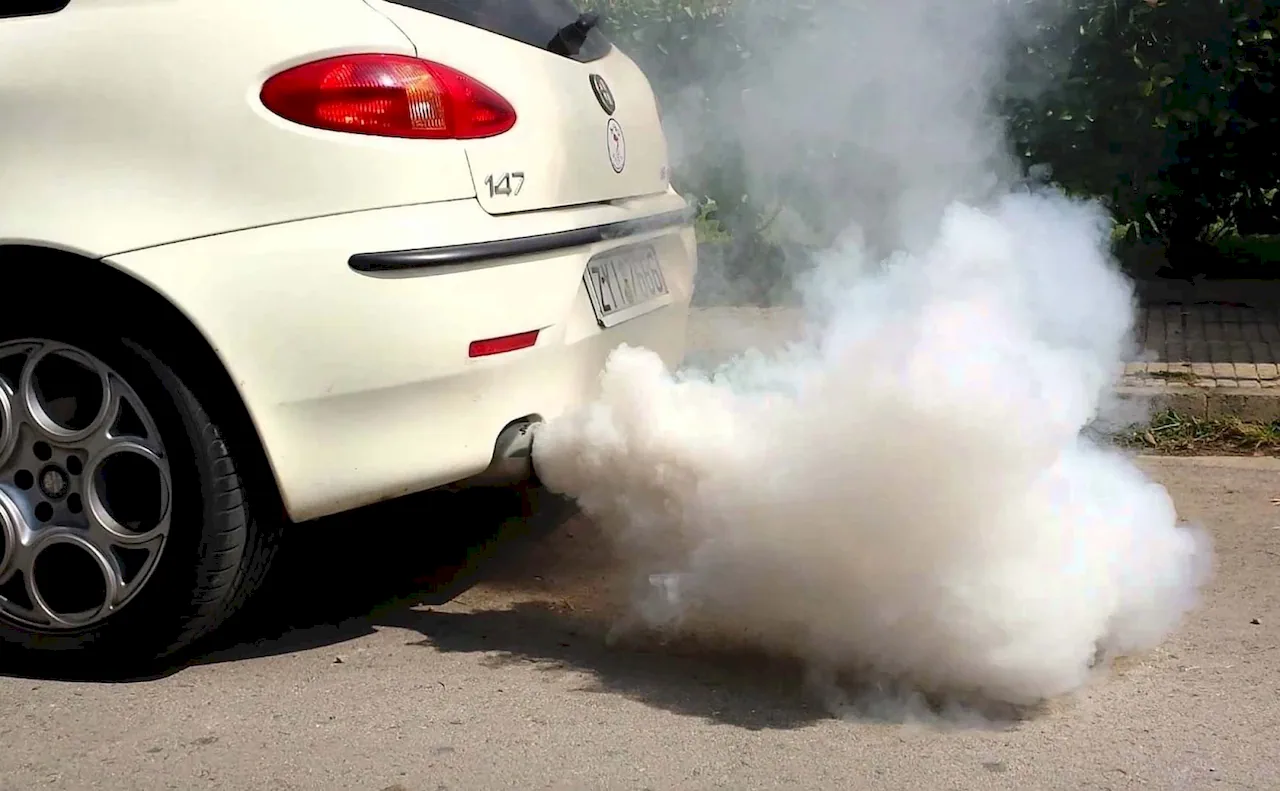
In that case, the vehicle should be checked as soon as possible for a failing head gasket. A damaged gasket can allow coolant to leak into the engine oil, creating an emulsion inside the engine itself.
If that mixture reaches the combustion chamber, it can lead to major mechanical problems and expensive repairs.
There are also a few warning signs that may accompany a blown head gasket. One of them is thick white smoke coming from the exhaust while the engine is running. Another clue can appear in the coolant reservoir: if the coolant begins bubbling excessively, it may indicate combustion gases entering the cooling system.
For most drivers, however, a small amount of residue on the oil filler cap—especially during cold weather—is simply the result of normal condensation and nothing to panic about.
You may also be interested in the news:
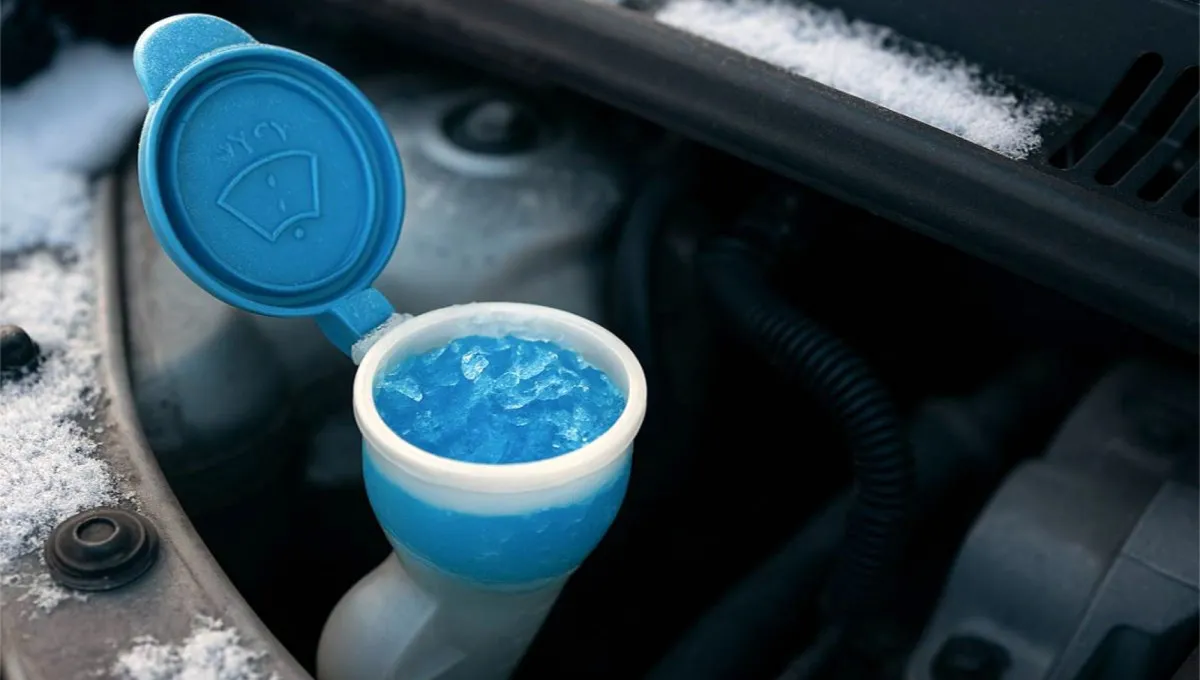
Windshield Washer Fluid Frozen in the Reservoir? Here’s How to Thaw It
A frozen washer system can catch drivers off guard, especially when a cold morning reveals that yesterday’s windshield washer suddenly stopped working.
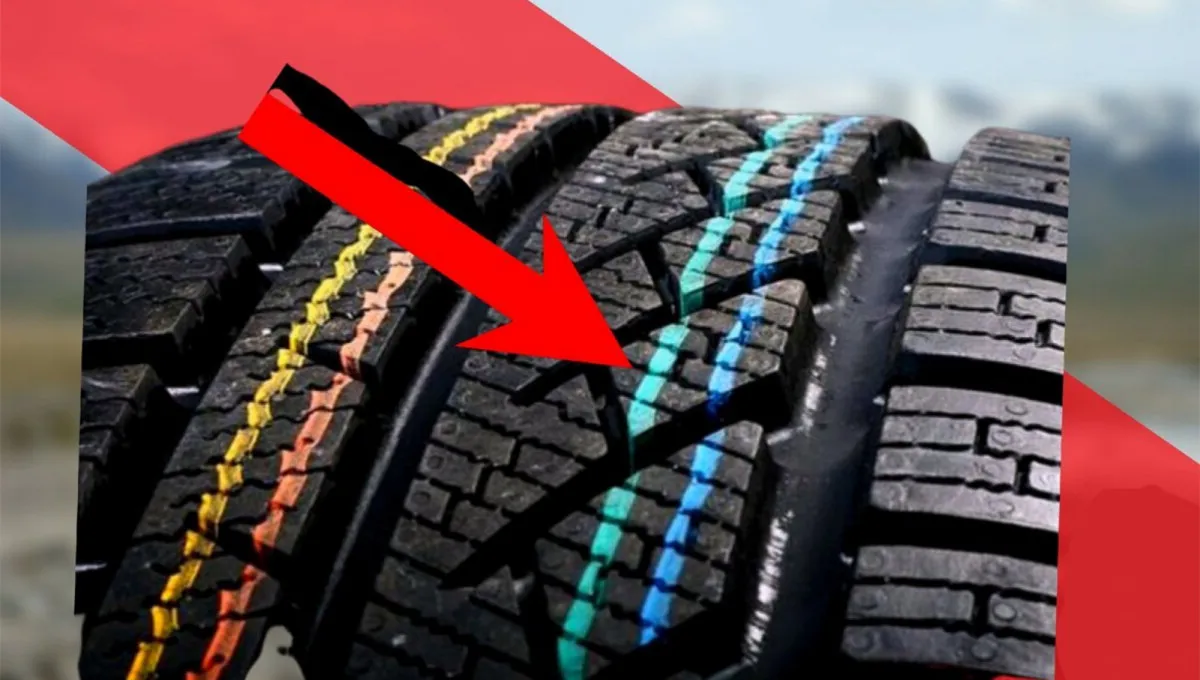
Why Colored Stripes on New Tires Confuse Drivers: What They Really Mean
A blue stripe on one tire brand can mean something entirely different on another, leaving drivers wondering what the markings mean.
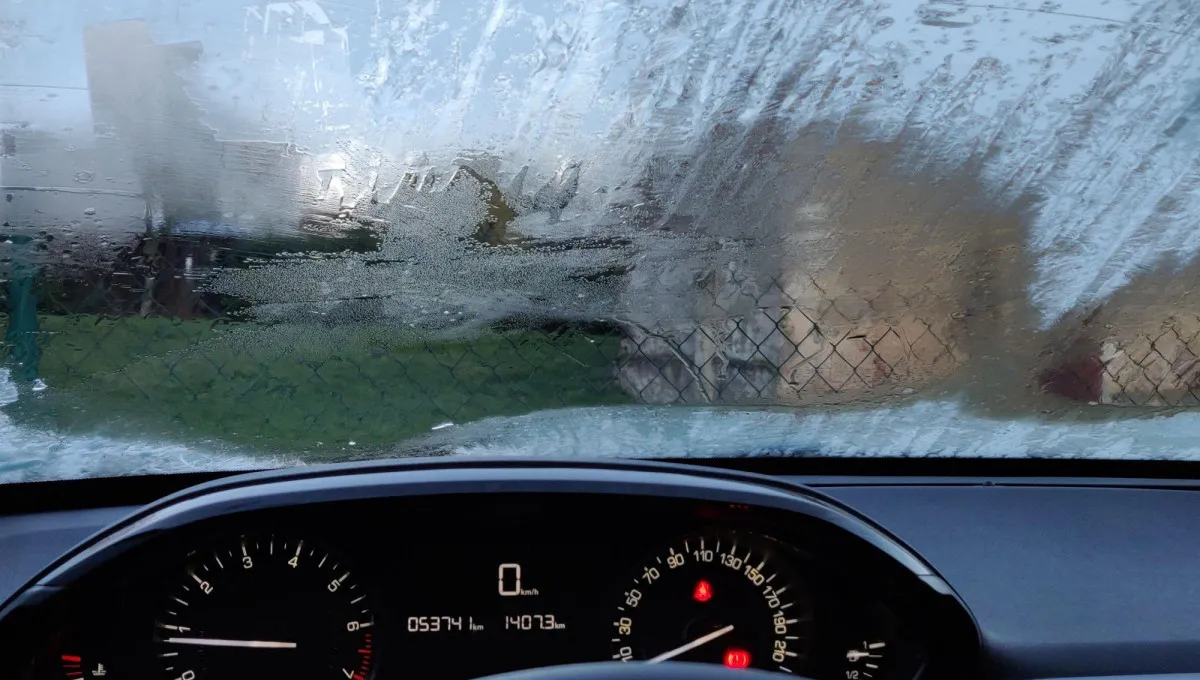
One Car Button Can Make Your Windows Fog Up Faster: What Not to Do in the Rain
Moisture brought into the cabin by drivers and passengers can linger in the air and settle on cold windows, reducing visibility.
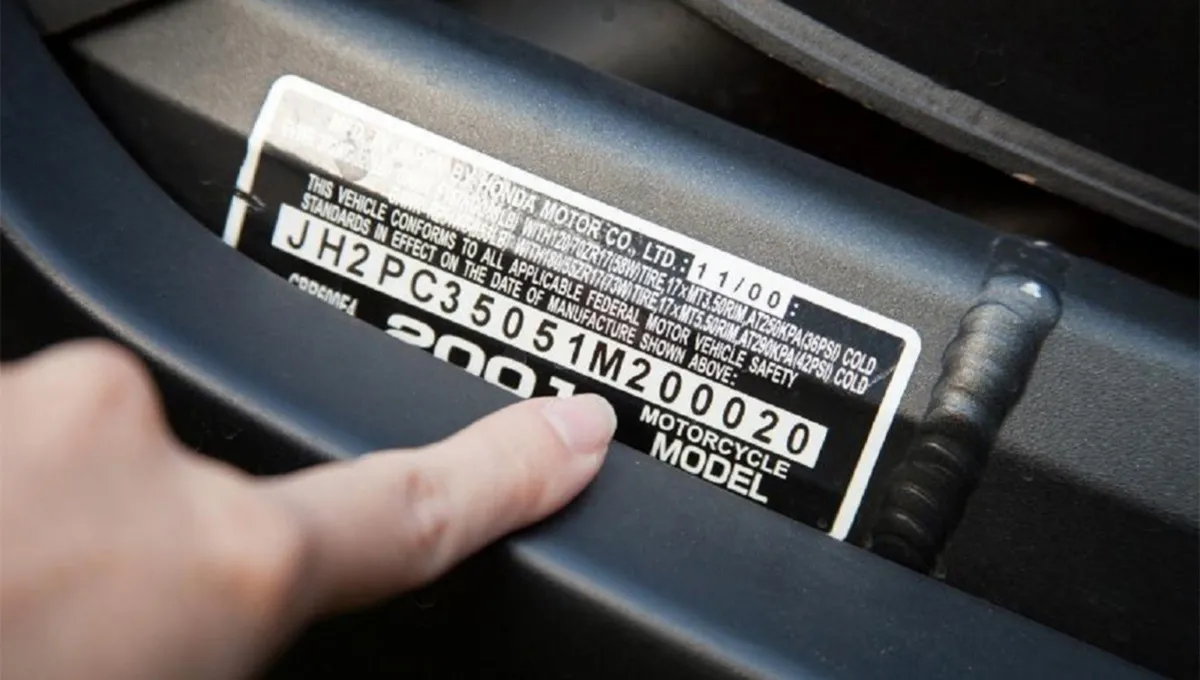
VIN-Based Auto Parts Lookup: Where Buyers Make the Most Mistakes
A VIN helps identify the right replacement part for your vehicle, but it cannot account for every change. Here’s what sellers need to know.

Why Experienced Drivers Put Socks on Their Car Mirrors in Fall: The Clever Trick Explained
An old pair of socks can help reduce frost buildup on your side mirrors overnight, saving time on cold mornings when every minute counts.