
U.S. Senate Sets Its Sights on Auto Tech: Why New Safety Systems Are Pricing Buyers Out
Early next year, the U.S. Senate is gearing up for a set of hearings that could shape the future of the nation’s auto industry.
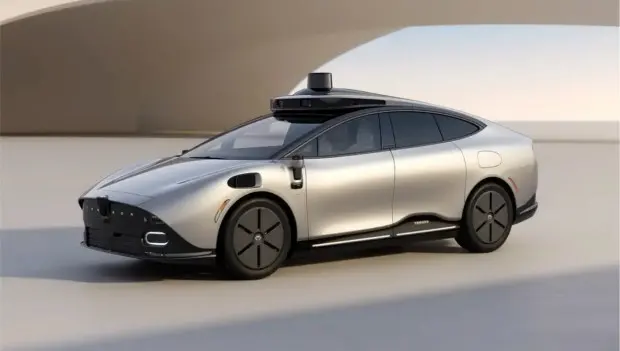
Early next year, the U.S. Senate will open hearings that may have far-reaching consequences for the American car market. This time, lawmakers are zeroing in on mandatory safety features that are rapidly becoming standard across new vehicles — and on how those technologies are influencing what buyers ultimately pay.
Front and center will be automatic emergency braking (AEB) and systems designed to alert drivers if a child has been left in the back seat. Sen. Ted Cruz, who chairs the Commerce, Science, and Transportation Committee, has asked top executives from General Motors, Ford, Stellantis, and Tesla to explain why the average price of a new vehicle in the U.S. is brushing up against the $50,000 mark. Cruz argues that more and more Americans find car ownership slipping out of reach, and that ever-tightening safety and environmental mandates are making matters worse.
Republicans are expected to emphasize that the biggest leaps in roadway safety came from straightforward measures — seat belts, airbags, and other fundamentals — while modern driver-assist tech is often expensive, complicated, and not always reliable. Frequent false alarms from newer systems, they argue, only erode driver confidence.
EV policy will also take a prominent place in the debate. Automakers and many lawmakers say federal and state EV quotas, combined with stringent fuel-economy rules, are forcing companies to raise prices just to stay compliant. Add in the growing demand for sophisticated onboard electronics, and the pressure intensifies.
AEB itself is set to be a major flashpoint. Starting in 2029, nearly all passenger cars and pickups sold in the U.S. will be required to include the system, although manufacturers will be free to choose how they implement it. Most of the burden, analysts say, will likely fall on software updates rather than full hardware overhauls.
Senators will also review the wide range of “rear-seat child reminder” solutions — everything from simple software prompts to sensor arrays and cameras. The technology is already appearing in many new models, with automakers pushing to stay ahead of potential regulation.
Republicans plan to argue for a shift away from mandating individual devices and toward fostering more advanced automation and vehicle-to-vehicle communication. Supporters of tougher standards, meanwhile, maintain that broad adoption of basic electronic safety aids will accelerate technological progress and make the roads measurably safer for everyone.
You may also be interested in the news:
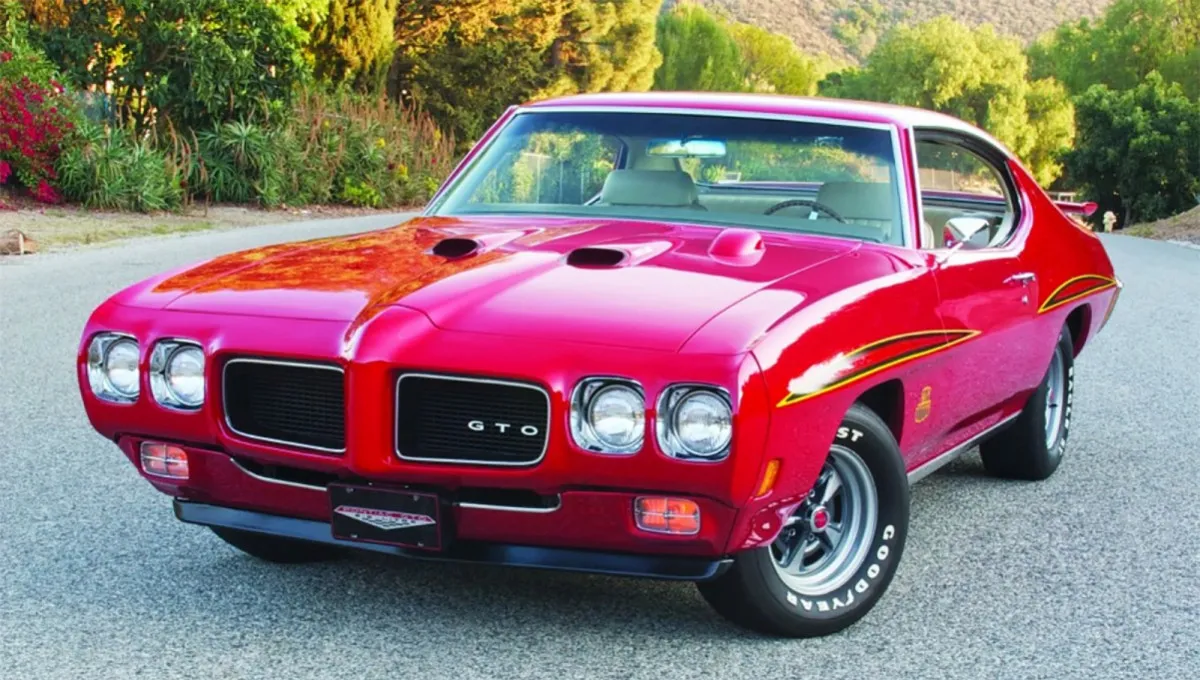
Pontiac's 1970 GTO Had a Wild Exhaust Option—Only 233 Cars Got It
Pontiac offered an unusual exhaust system for the 1970 GTO, but the factory option didn't last long.
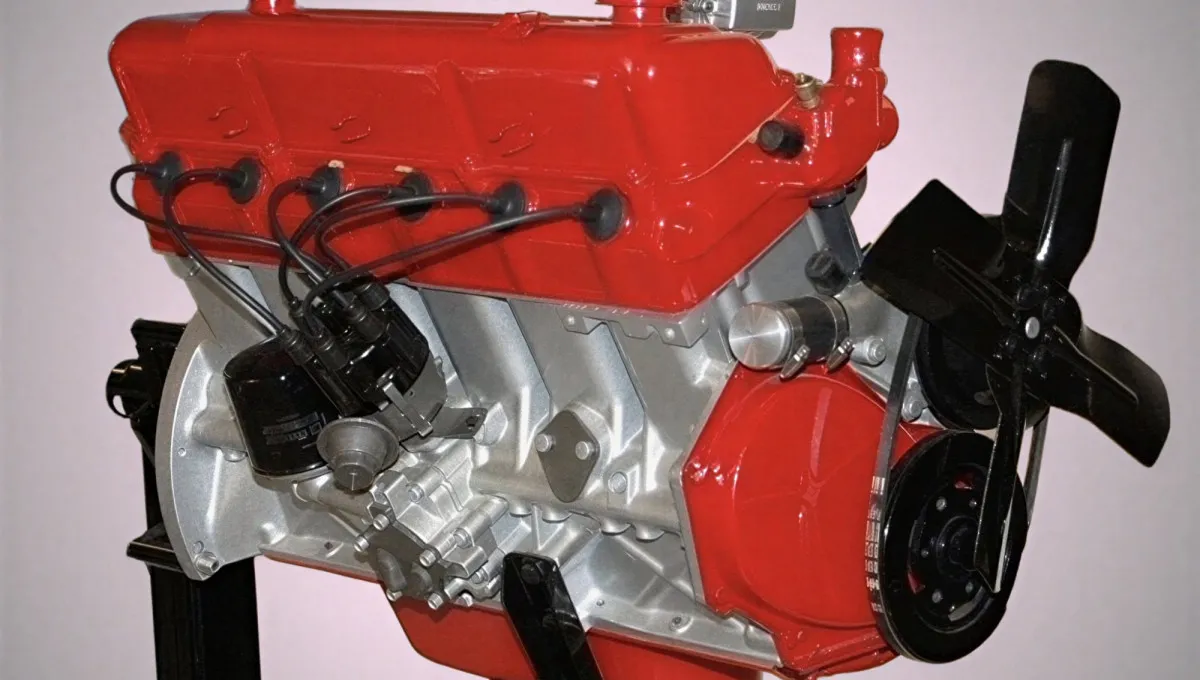
Chrysler's Aluminum Slant 6 Engine: The Lightweight Experiment of 1961–1963
Chrysler built more than 50,000 cars with an aluminum-block Slant 6 before production challenges brought the project to an end.
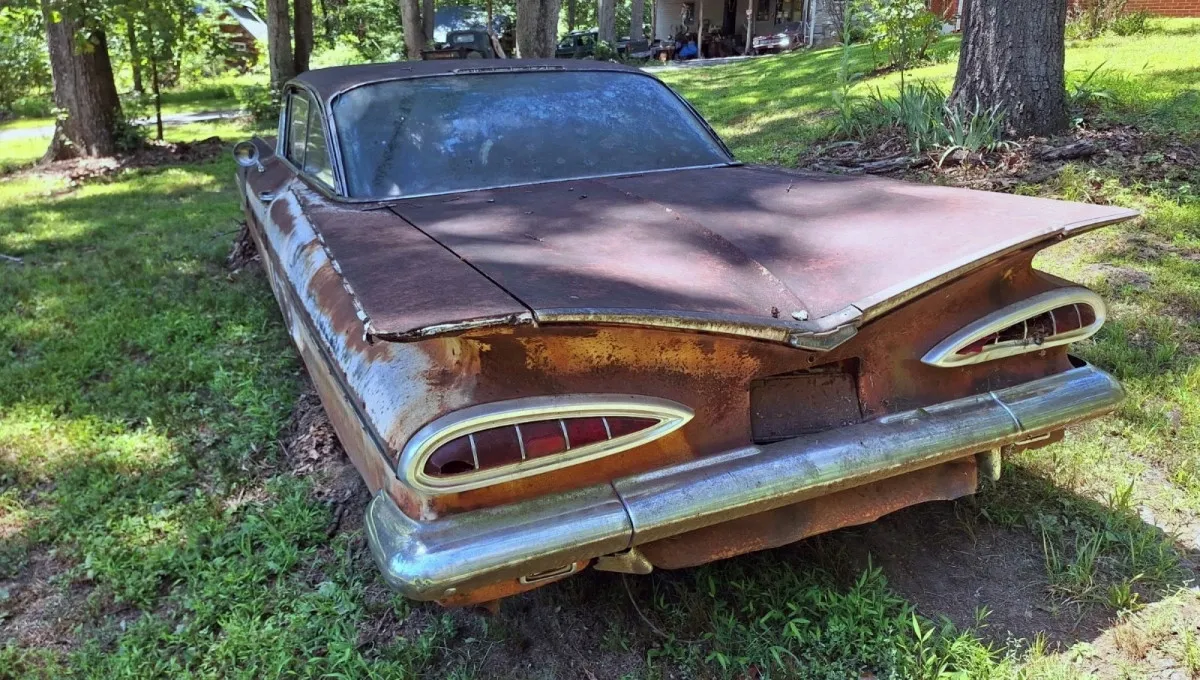
1959 Chevy Impala Parked in a Farm Begs for Restoration As Owner Decides To Let It Go
This 1959 Chevrolet Impala has landed online with one big mission: it must convince a skilled restoration guy to give it a second chance
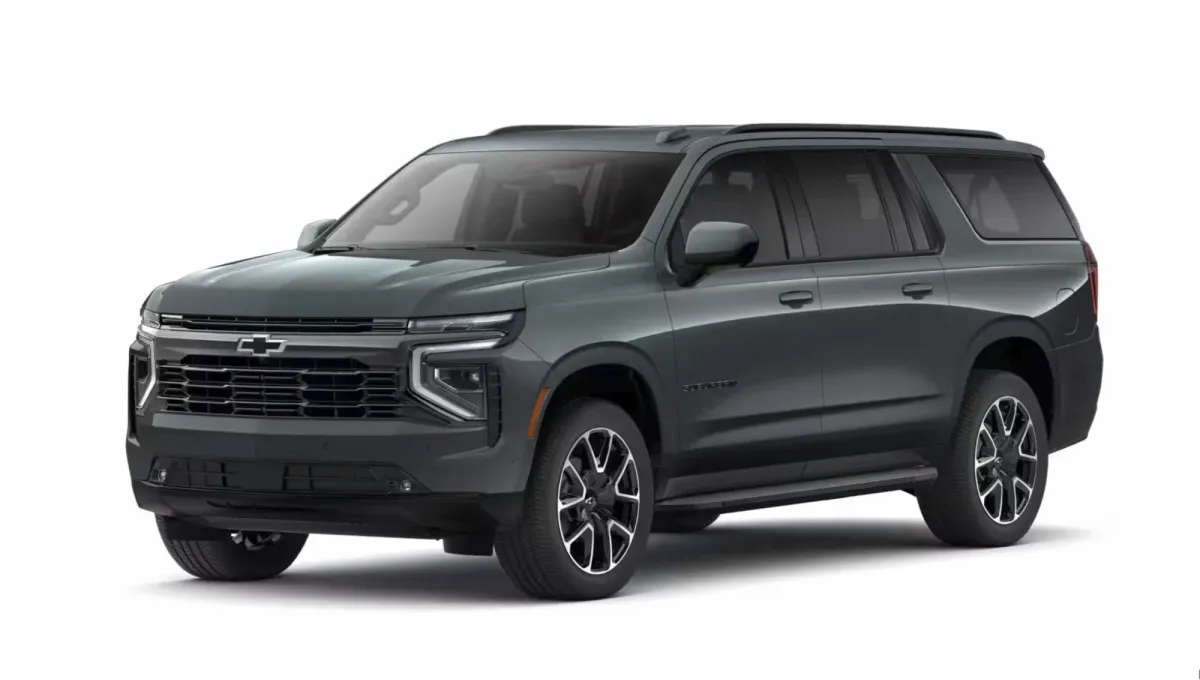
Chevy Suburban Gets New Paint Option for 2027
Chevrolet will offer the White Sands with the Suburban as well, after the automaker made it available in lineups such as the Silverado, Colorado, and Trax
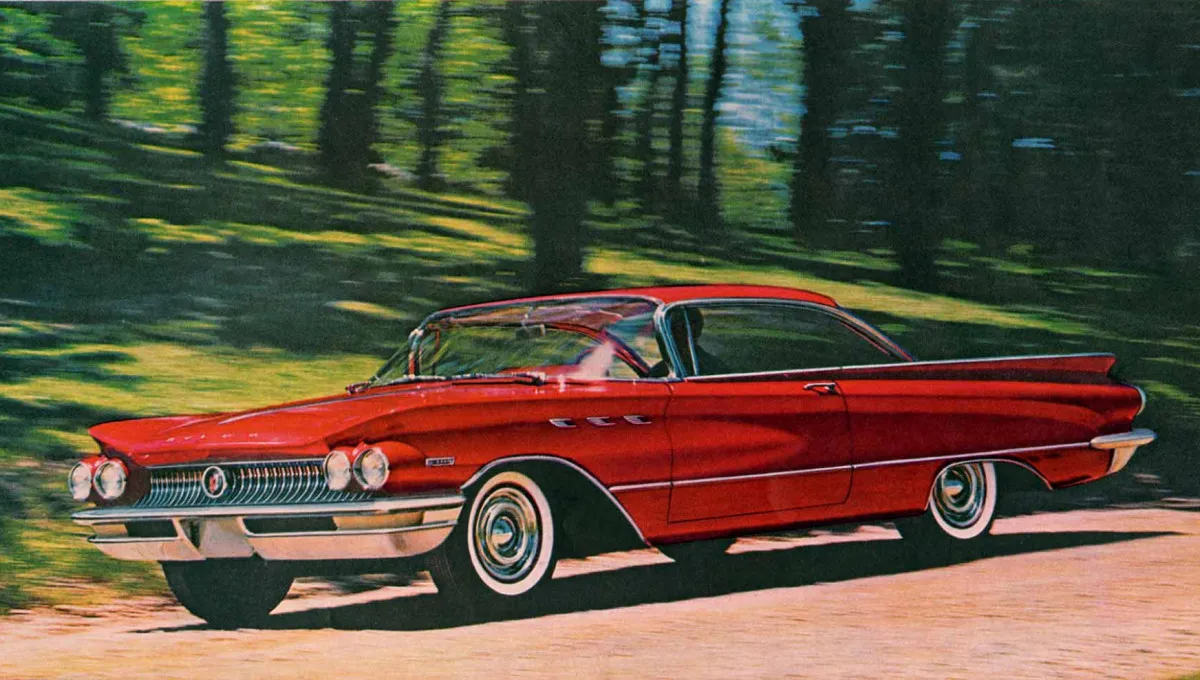
Buick Called Its 1960 Cars “Turbine Drive” Models, but There Was No Turbine Engine Under the Hood
Buick spent decades using memorable marketing phrases, but its 1960 turbine-drive branding had a surprising explanation.