
How Much Gas Is Actually Burned While Warming Up a Car Engine With Remote Start
Most drivers know the routine: a cold engine needs time for the oil to warm up before you hit the road
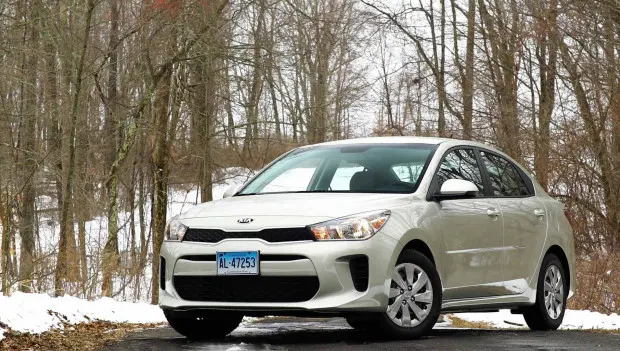
Starting a car in freezing weather and driving off immediately is, to put it mildly, a questionable idea. Most drivers understand that an engine needs a short warm-up period so the oil can reach a safe operating temperature and warm air can begin flowing from the vents. Otherwise, engine wear increases significantly.
To find out how much fuel this morning warm-up really costs, a Kia Rio equipped with a 1.6-liter, 123-horsepower engine was used for the test. The car sat outdoors overnight in sub-freezing conditions. At the start of the experiment the engine was completely cold, with no residual heat, and the ambient temperature was 14°F (–10°C).
Fuel measurement required a bit of creativity. Instead of the factory fuel tank, the engine was supplied by a separate five-liter plastic container fitted with a fuel pump. The amount of gasoline consumed was measured using a graduated container, ensuring precise readings rather than estimates.

After a cold start, the engine was left idling for 15 minutes—exactly the warm-up time most drivers set for remote start systems. No extra electrical loads were used: headlights, seat heaters, and other accessories were turned off. Only the cabin heater was running at its second fan speed to simulate real-world conditions.
After 15 minutes, the engine was shut down and the remaining fuel was measured. Gasoline from the temporary container was poured into a measuring cup to determine exactly how much had been consumed during the warm-up period.
By that point, the engine coolant temperature had climbed to about 131°F (55°C), and the cabin was warm enough to sit comfortably without a jacket. The results showed that keeping the engine running for the full 15 minutes made little sense. Around eight minutes would have been more than sufficient, while any additional idling only wasted fuel.
According to the data, about 550 milliliters of fuel remained from the one liter added before the start. That means roughly 450 milliliters—nearly half a liter—were burned solely during warm-up. At that rate, an hour of idling would consume about 1.8 liters of gasoline. By comparison, an engine that has already reached operating temperature typically uses around 0.8 liters per hour. The difference is significant.
You may also be interested in the news:
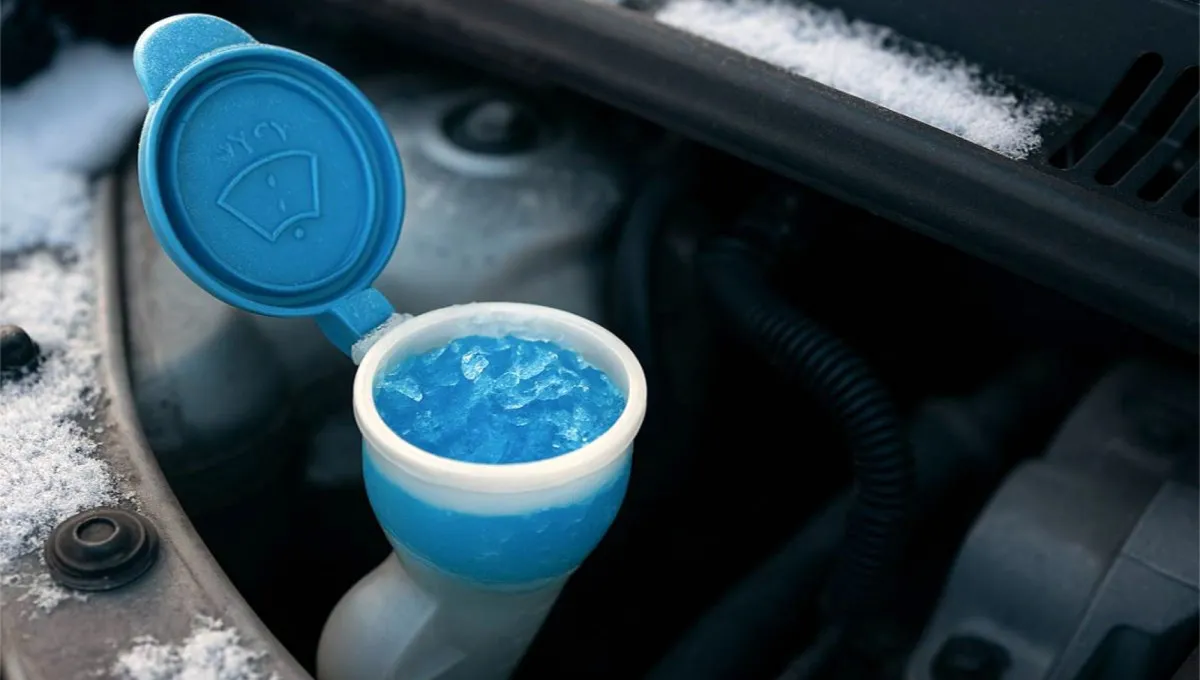
Windshield Washer Fluid Frozen in the Reservoir? Here’s How to Thaw It
A frozen washer system can catch drivers off guard, especially when a cold morning reveals that yesterday’s windshield washer suddenly stopped working.

Why Colored Stripes on New Tires Confuse Drivers: What They Really Mean
A blue stripe on one tire brand can mean something entirely different on another, leaving drivers wondering what the markings mean.
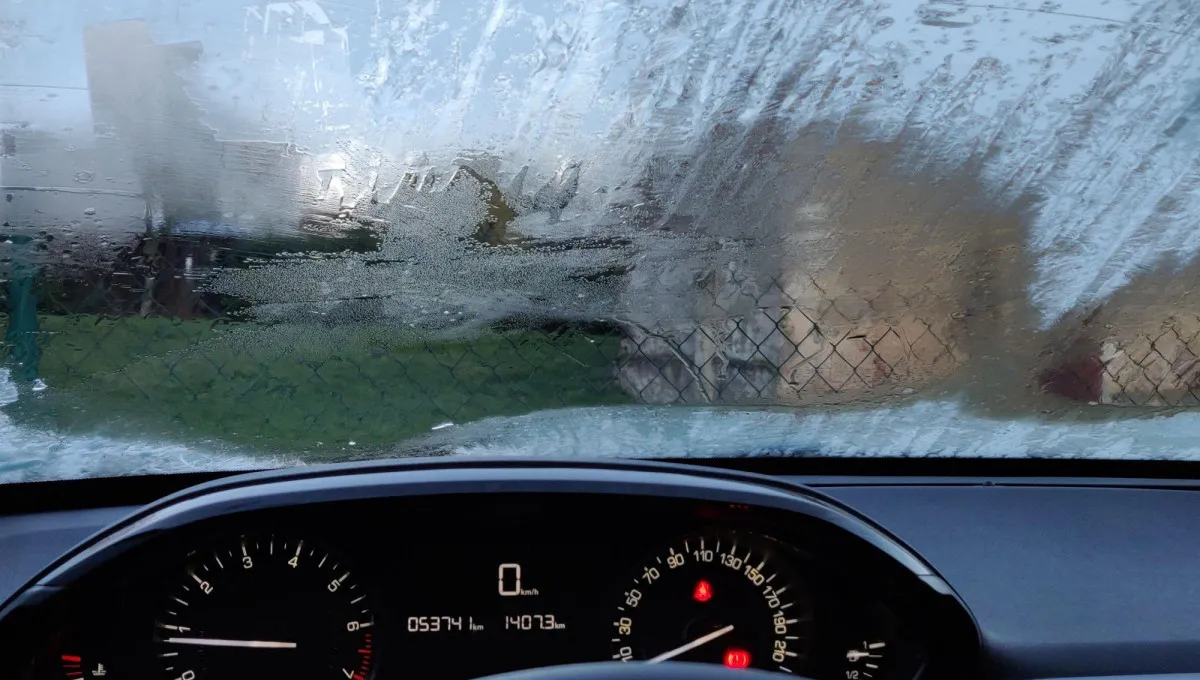
One Car Button Can Make Your Windows Fog Up Faster: What Not to Do in the Rain
Moisture brought into the cabin by drivers and passengers can linger in the air and settle on cold windows, reducing visibility.
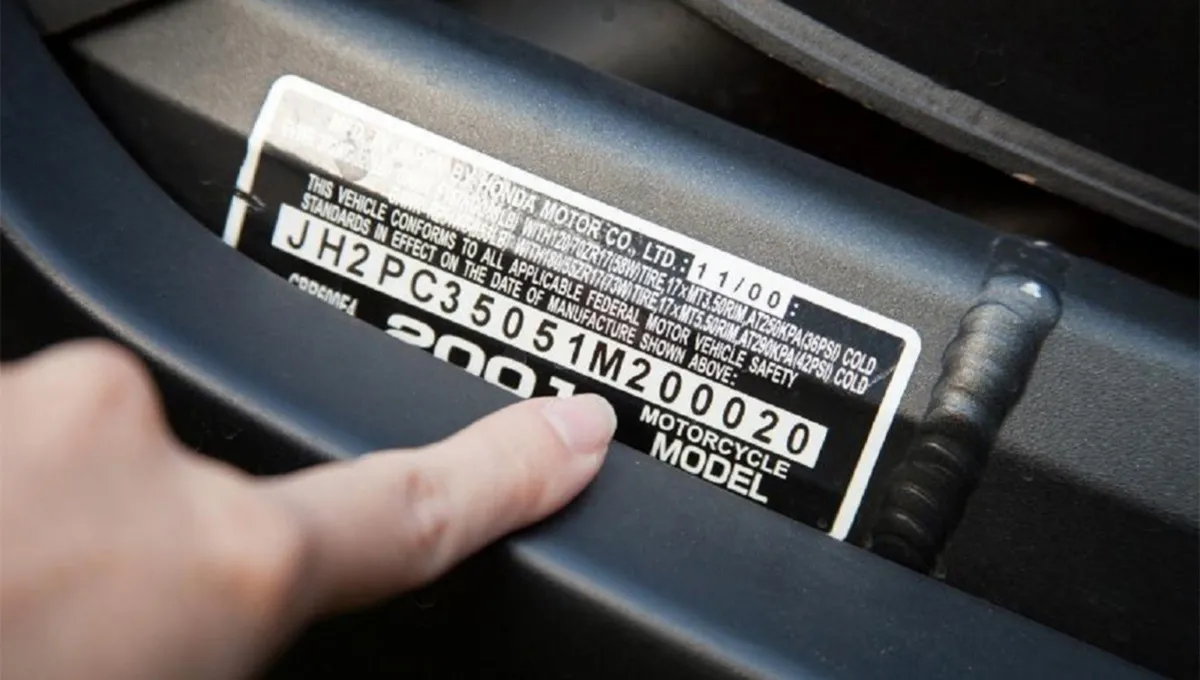
VIN-Based Auto Parts Lookup: Where Buyers Make the Most Mistakes
A VIN helps identify the right replacement part for your vehicle, but it cannot account for every change. Here’s what sellers need to know.
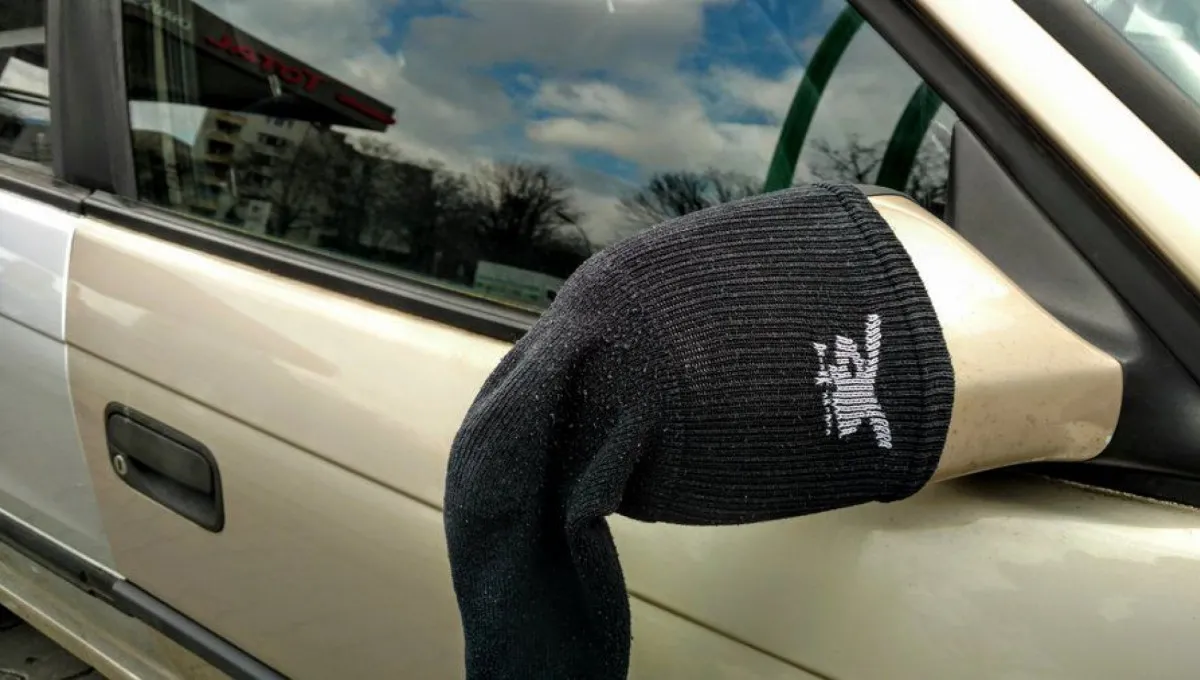
Why Experienced Drivers Put Socks on Their Car Mirrors in Fall: The Clever Trick Explained
An old pair of socks can help reduce frost buildup on your side mirrors overnight, saving time on cold mornings when every minute counts.