
Not Every Driver Knows How to Avoid Burning Their Car by Using the Cigarette Lighter Socket
What do you have plugged into your cigarette lighter right now—a USB charger, a dashcam, or a two-way radio?
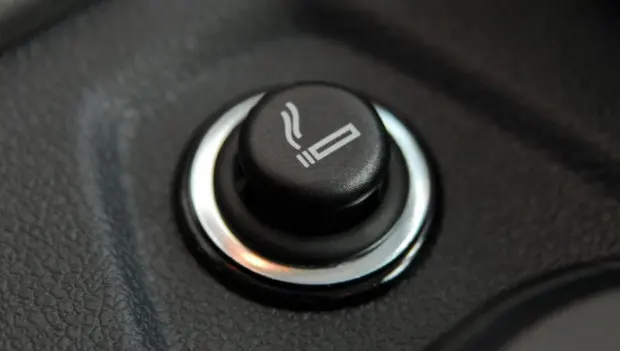
Every modern car comes equipped with a cigarette lighter socket, and some premium models or SUVs even have several of them. In the past, these sockets were used for their original purpose, but today they are most often used to power or charge mobile devices. Let’s take a closer look at how a car’s cigarette lighter should really be used—and what can go wrong.
Originally, the cigarette lighter was designed solely for lighting cigarettes. The driver simply pushed in the removable heating element, which quickly warmed up under electrical load. Within 10–15 seconds, it became hot enough to light a cigarette.
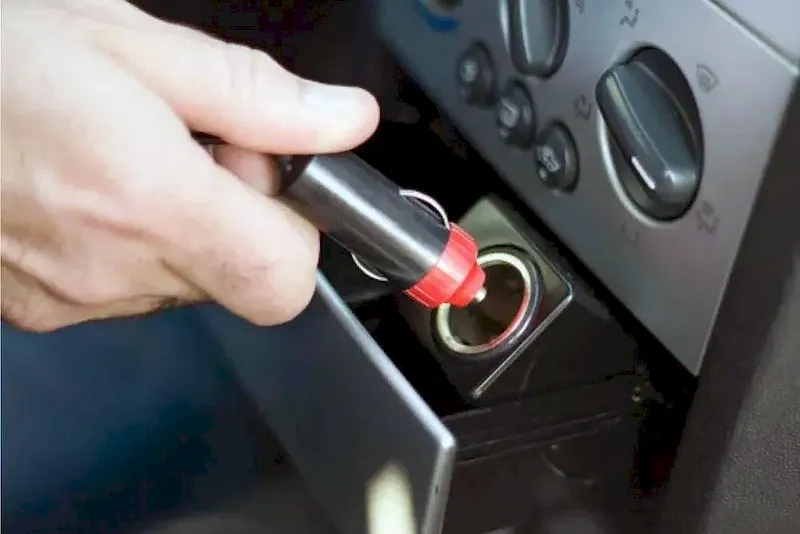
Today, however, most drivers no longer use the cigarette lighter for its intended purpose. Instead, they rely on adapters to charge smartphones, tablets, dashcams, navigation systems, and other electronics. While the socket can technically handle this task, it puts extra strain on the vehicle’s electrical system, which can lead to serious problems. That’s why many experts advise against using the cigarette lighter as a general-purpose power outlet.
Common issues with using the cigarette lighter
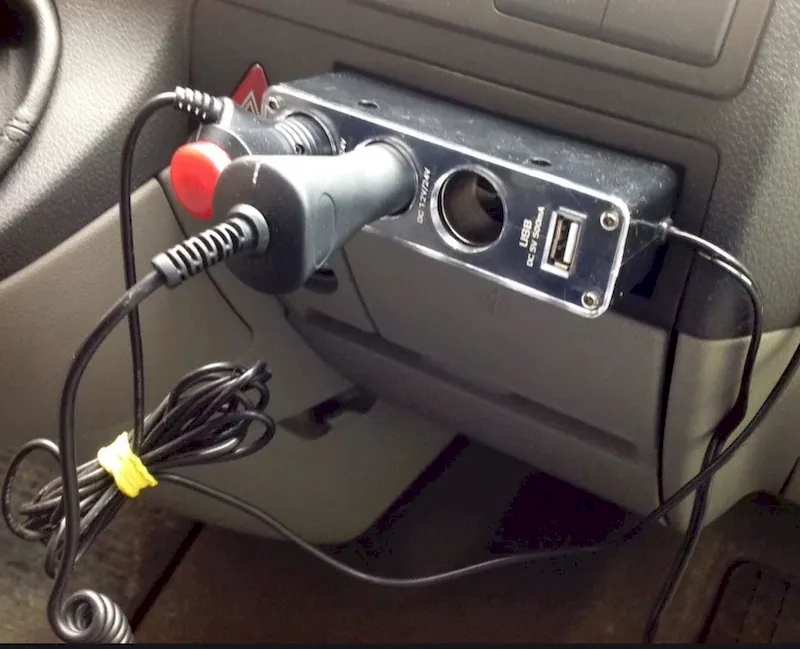
It’s well known that a car’s electrical voltage is not stable. It fluctuates depending on battery charge level and alternator speed. These fluctuations can cause voltage spikes, increasing the risk of damaging devices plugged into the cigarette lighter. There have even been cases where tablets or smartphones charging from the vehicle’s power system caught fire. In the best-case scenario, the driver was present and able to unplug the device and extinguish the flames.
Another common issue is poor-quality wiring in some aftermarket car chargers. Under heavy load, these wires can overheat and ignite. Short circuits are also not uncommon, and they can be devastating for a vehicle’s entire electrical system. For this reason, many automakers now equip their vehicles with dedicated power outlets designed specifically for charging electronics. These outlets are intended for smartphones, tablets, navigation units, and dashcams.
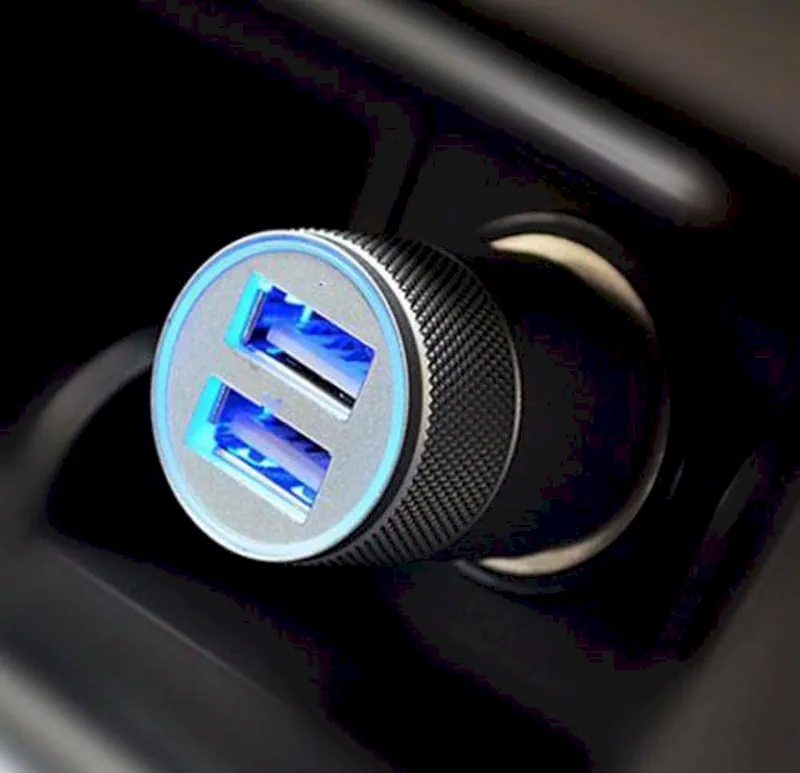
The key difference between these auxiliary power outlets and a traditional cigarette lighter is the presence of dedicated low-amperage fuses. These fuses help protect connected devices from damage caused by voltage spikes. Some outlets even include built-in voltage stabilizers, allowing drivers to safely charge sensitive electronics that could otherwise fail due to even minor electrical fluctuations.
A frequent problem associated with charging devices through the cigarette lighter is blown vehicle fuses. When this happens, owners must replace fuses in the fuse box, increasing maintenance costs. This can occur both due to voltage spikes and because the wiring of the charger is incompatible with the vehicle’s socket. If replacement fuses continue to blow as soon as a charger is plugged in, it’s a clear sign of a short circuit somewhere in the system—one that needs to be identified and fixed immediately.
You may also be interested in the news:

Windshield Washer Fluid Frozen in the Reservoir? Here’s How to Thaw It
A frozen washer system can catch drivers off guard, especially when a cold morning reveals that yesterday’s windshield washer suddenly stopped working.
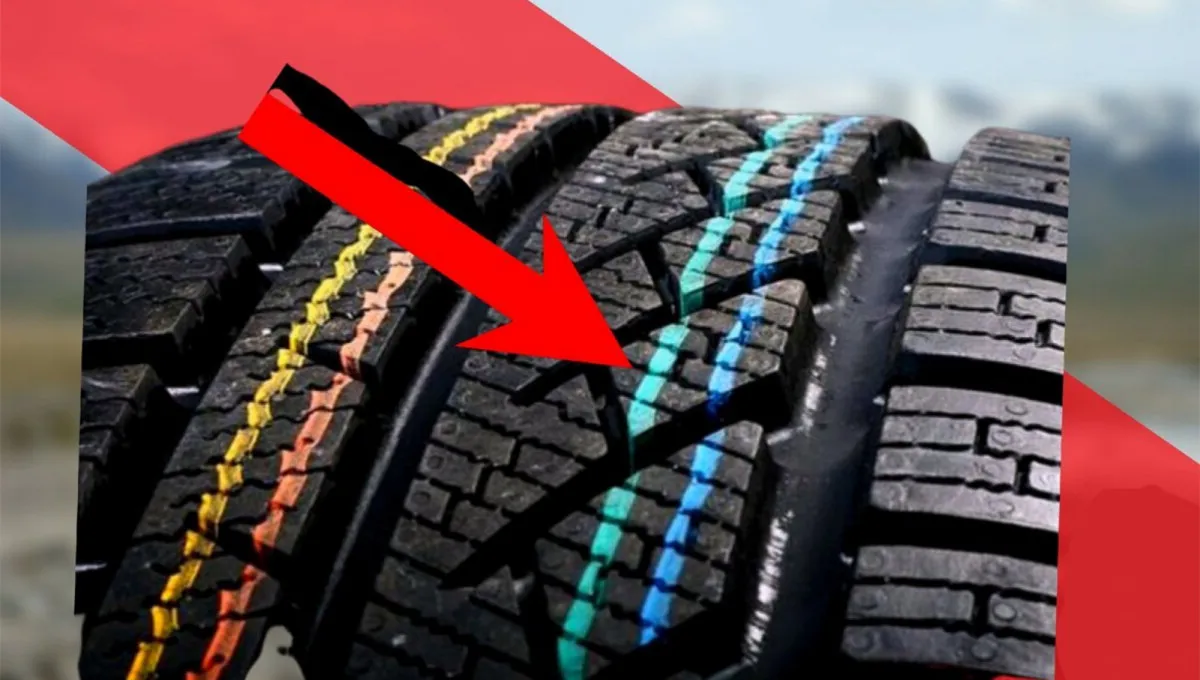
Why Colored Stripes on New Tires Confuse Drivers: What They Really Mean
A blue stripe on one tire brand can mean something entirely different on another, leaving drivers wondering what the markings mean.

One Car Button Can Make Your Windows Fog Up Faster: What Not to Do in the Rain
Moisture brought into the cabin by drivers and passengers can linger in the air and settle on cold windows, reducing visibility.
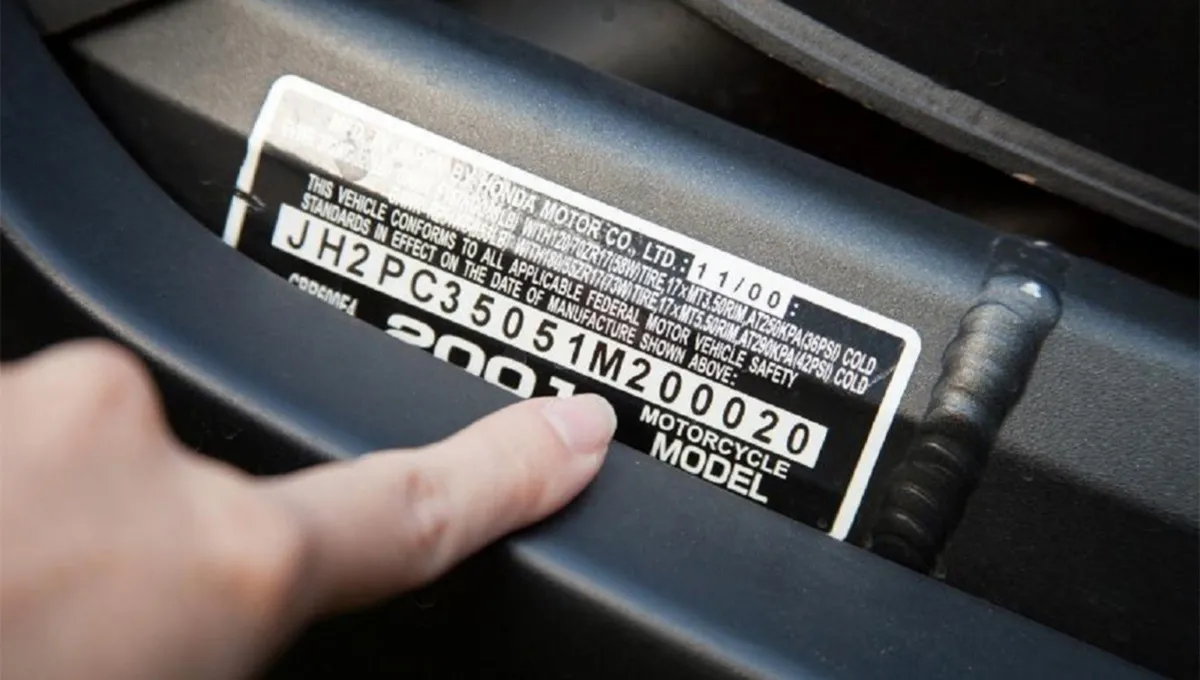
VIN-Based Auto Parts Lookup: Where Buyers Make the Most Mistakes
A VIN helps identify the right replacement part for your vehicle, but it cannot account for every change. Here’s what sellers need to know.

Why Experienced Drivers Put Socks on Their Car Mirrors in Fall: The Clever Trick Explained
An old pair of socks can help reduce frost buildup on your side mirrors overnight, saving time on cold mornings when every minute counts.