
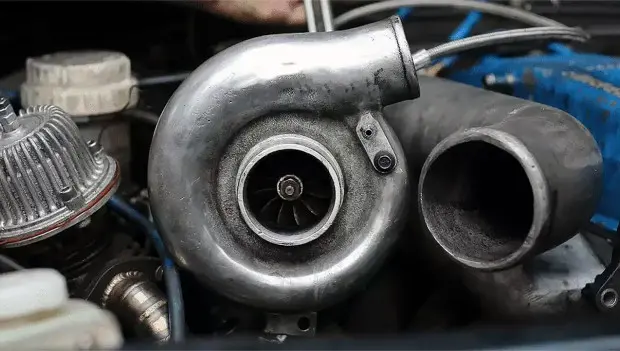
Why Small Turbo Engines Are Replacing Big V8s—and What It Means for Your Next Car
Turbochargers let automakers squeeze big-engine performance from smaller engines—but the technology comes with trade-offs.
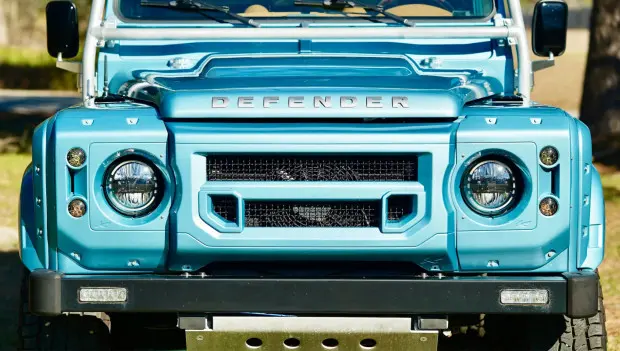
American Heart, British Body: Defender Just Got a Corvette V8—and It’s a $210,000 Beast
Osprey Custom has unveiled its latest restomod project, giving a classic Land Rover Defender a powerful Corvette V8 and modern upgrades.
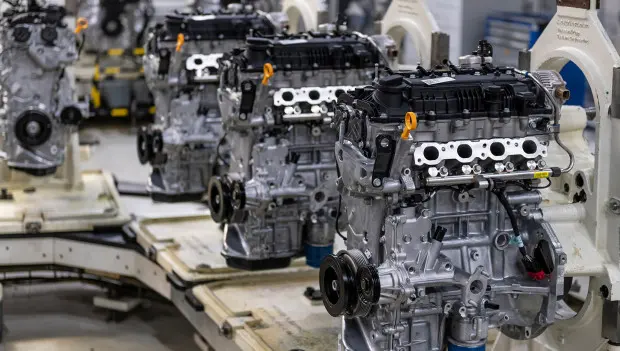
Why Are Automakers Really Shrinking Engines to 1.5 Liters?
Why is the auto industry shrinking engine sizes so aggressively?
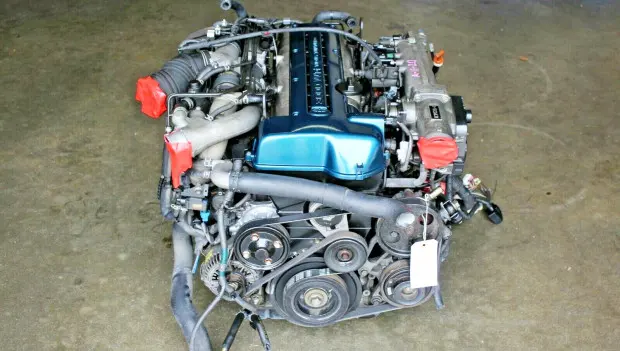
Toyota Built It to Survive 300,000 Miles. Tuners Turned It Into a 2,000-HP Beast
Toyota engineers may have gone too far with durability — and accidentally created the ultimate engine for hot-rodding.

Audi 80 Has Covered Nearly 1 Million Kilometers With Its Original Engine
A 1991 Audi 80 is closing in on a mileage record.

Toyota's First Engine Was Copied From a Chevrolet
Toyota's first engine, the Type A, wasn't entirely Japanese—it was based heavily on a Chevrolet straight-six.
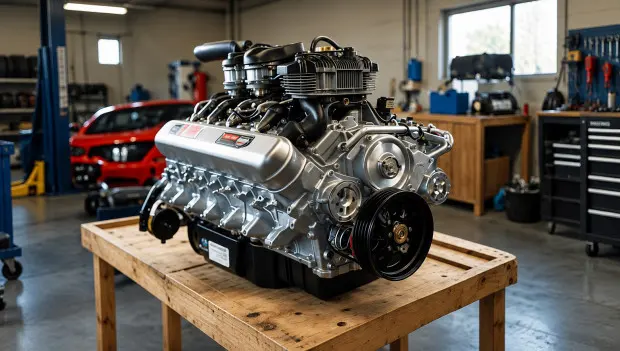
Million-Mile Engines: Why Four Legendary Motors That Outlived Their Owners Became History
Some engines become legends by surviving for decades, crossing millions of miles and proving nearly impossible to kill.
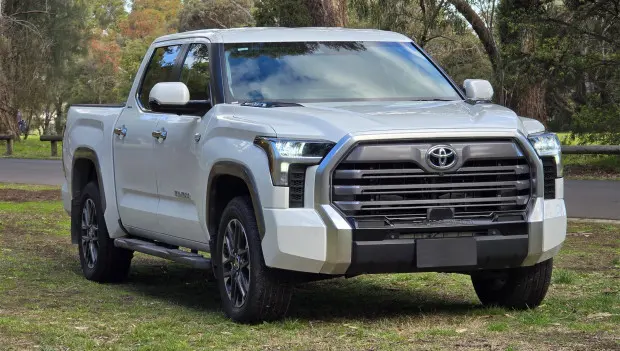
2026 Toyota Tundra Replacement Engine Failed, Raising New Questions About the Recall Fix
A 2026 replacement V35A engine has failed, raising fresh questions about Toyota’s Tundra recall fix.
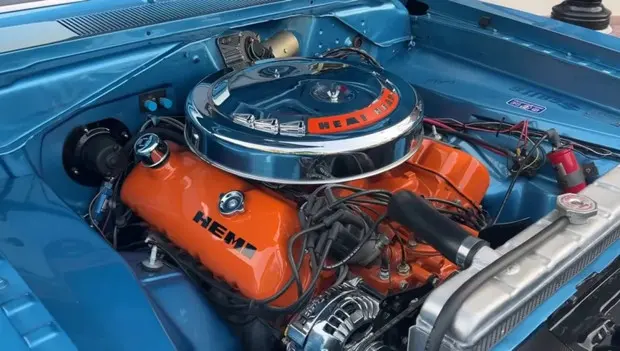
The Ball-Stud Hemi Mystery: How a Revolutionary Engine Faded Into History — What Killed the Project
In the late 1960s, Chrysler planned to replace its heavy V8s with a new engine, but the Ball-Stud Hemi never made it beyond the prototype stage. Why did the promising project never get its chance, and what happened to the only surviving example?
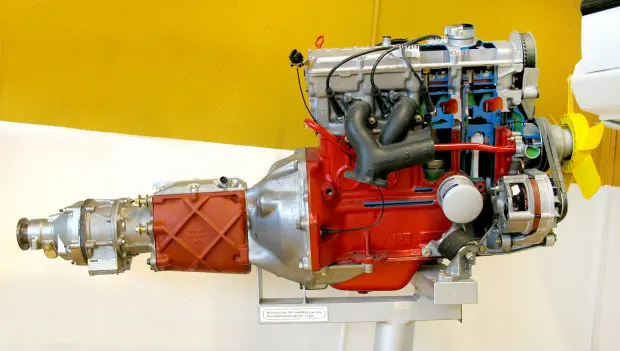
What Did the World’s Four Most Durable Engines Have in Common—and Why Were They Discontinued?
There was a time when far more cars could rack up a million miles, and that’s simply a fact.
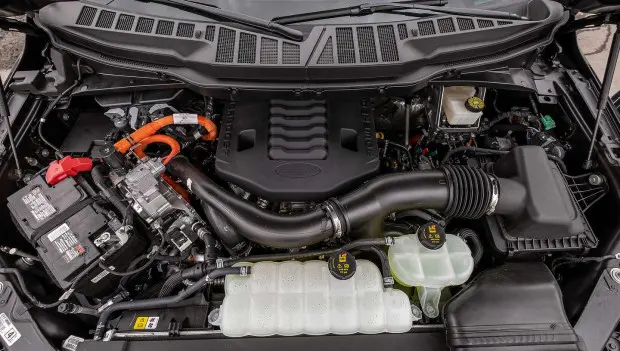
The Mistake That Can Damage Your Engine: When You Shouldn’t Shut Your Car Off Immediately
Giving your engine a little time to cool down after a hard drive can help prevent expensive repairs and premature wear.
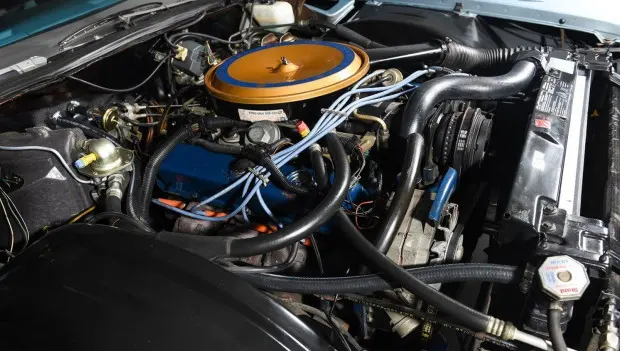
“Underpowered”: 4 U.S. Engines With Terrible Specific Power Output
Huge, many cylinders, powerful. That is the image that comes to mind when you hear the phrase “American engine.” Yet the U.S. also produced plenty of underpowered engines.
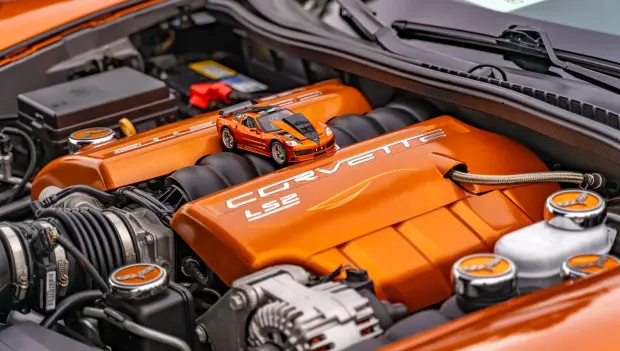
The GM LS/LT Engine Family: The Simple Formula Nobody Has Managed to Recreate
The LS is celebrated as blue-collar American muscle, but its real genius is an engineering masterpiece built around simplicity.
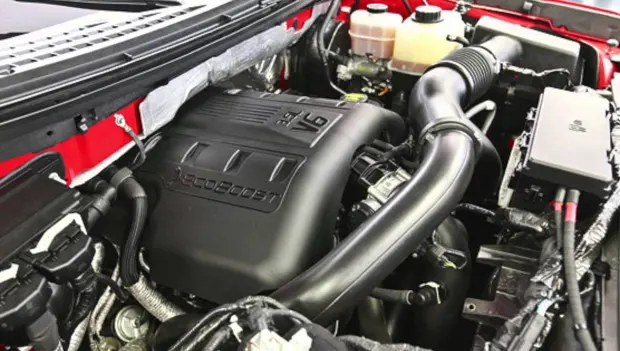
Engine Warm-Up in Summer: How Long Do Modern Cars Really Need?
Can you — and should you — warm up your engine in summer? A service expert gives a clear answer.
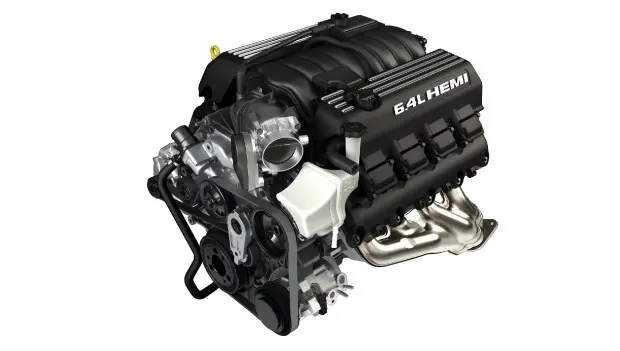
American Engines: The Legendary HEMI
To the average person with no interest in cars, HEMI is nothing more than four letters of the Latin alphabet.