
Why Your Windshield Gets a Greasy Film Inside — and the Right Way to Clean It
Many drivers overlook interior windshield buildup, but cleaning it properly can dramatically improve visibility on the road.
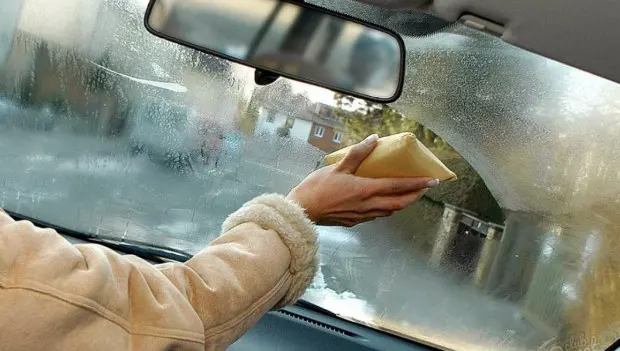
Even right after a car wash, many drivers still notice a strange hazy film on the inside of the windshield. In most cases, the problem isn’t outside the vehicle at all. It usually comes from processes inside the cabin that slowly leave behind a thin greasy layer on interior surfaces.
So what’s the best way to clean the inside of a windshield, and which products actually remove that film and glare?
Where the Greasy Film Comes From
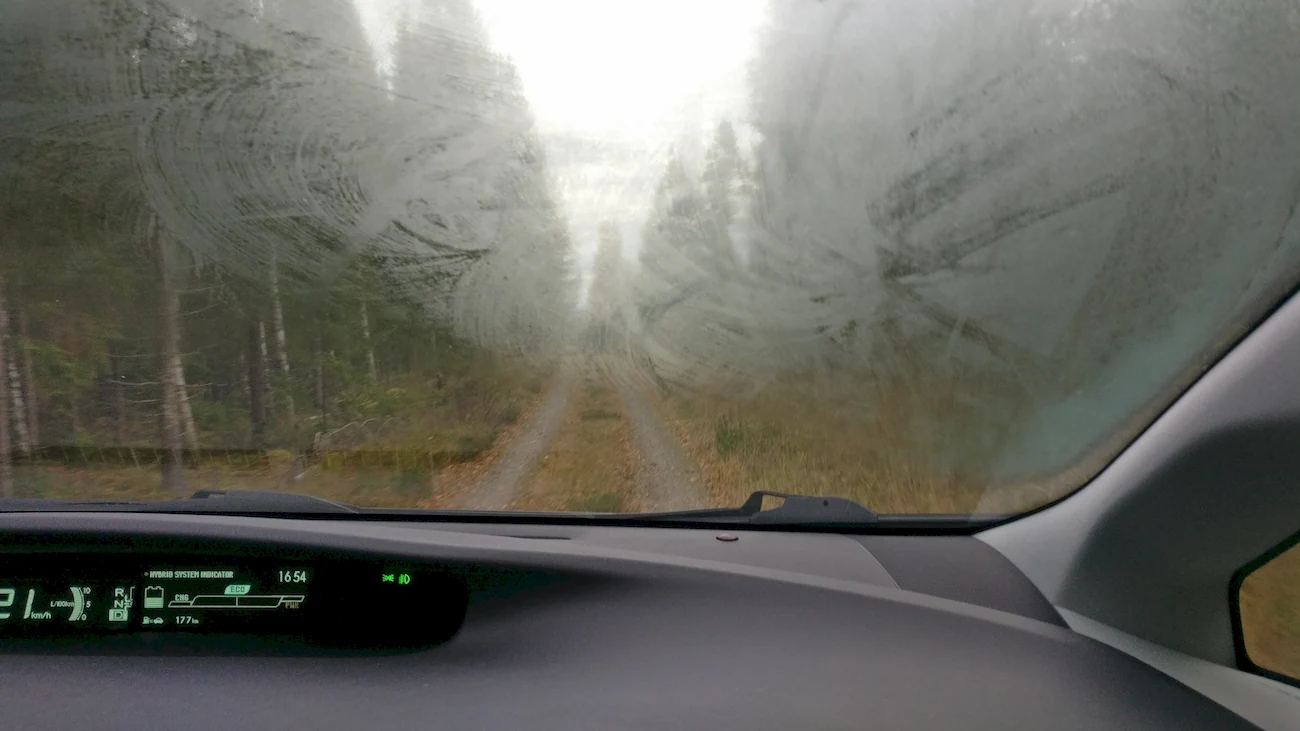
Many people don’t realize that contaminants can quietly build up inside a vehicle over time. Even if the cabin looks clean, a thin residue often develops on the glass. That happens because the air inside the car constantly contains microscopic particles that slowly settle on surfaces.
Some of those particles can come from evaporating automotive fluids. If the cooling or air-conditioning system has even a minor leak, tiny amounts of coolant or refrigerant vapor can enter the cabin and eventually settle on the glass.
Another common cause is smoking inside the vehicle. Tobacco smoke contains tar and other compounds that easily stick to nearby surfaces. Over time they create a sticky film that makes the windshield appear cloudy and reduces visibility, especially when headlights hit the glass at night.
Air fresheners can also contribute to the problem. Many of them contain glycerin or oily ingredients. As those substances slowly evaporate, they can leave a light residue throughout the cabin, including on the windshield.
Before cleaning the glass, it helps to understand what’s causing the buildup so the problem doesn’t keep coming back.
The Best Way to Clean a Dirty Windshield
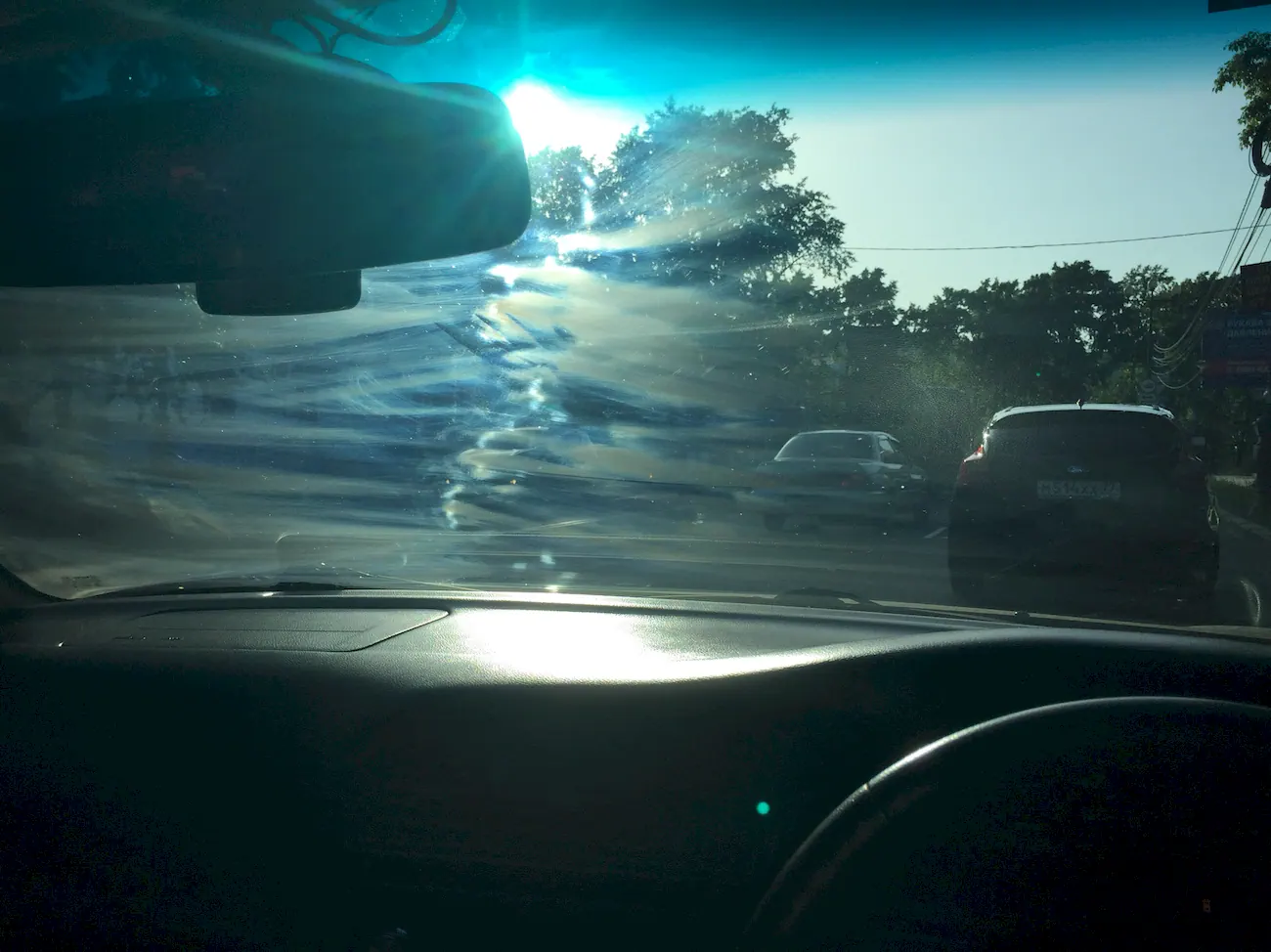
One common mistake drivers make when trying to clean the inside of the windshield is using a dry cloth or paper towel. That usually just spreads the greasy film across the surface, making streaks even more noticeable.
To get the glass truly clean, you need a cleaner that dissolves grease rather than smearing it around. Standard glass cleaners work well, as do alcohol-based solutions, ammonia cleaners, or even liquids designed for cleaning electronics screens.
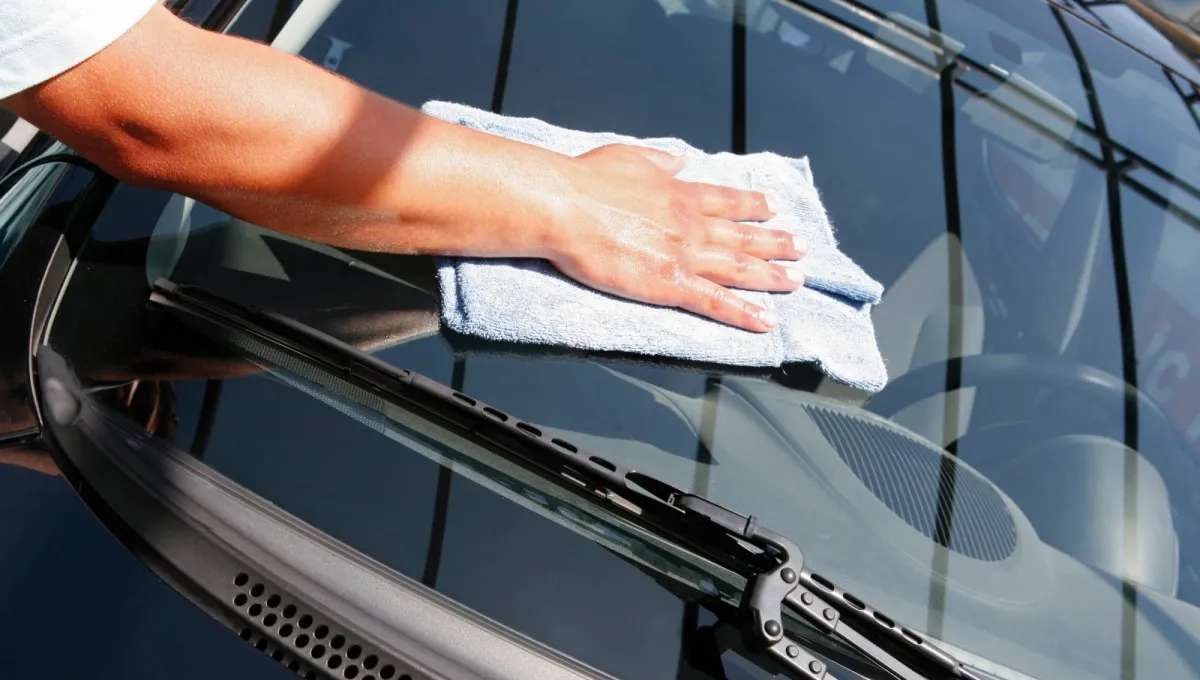
But the most important factor isn’t always the cleaning product—it’s the cloth you use. The best option is a brand-new, clean microfiber towel.
If the cloth has already been used to wipe down the dashboard or other interior parts, it may contain dust or oily residue that will simply leave streaks on the glass again.
A Simple Cleaning Process
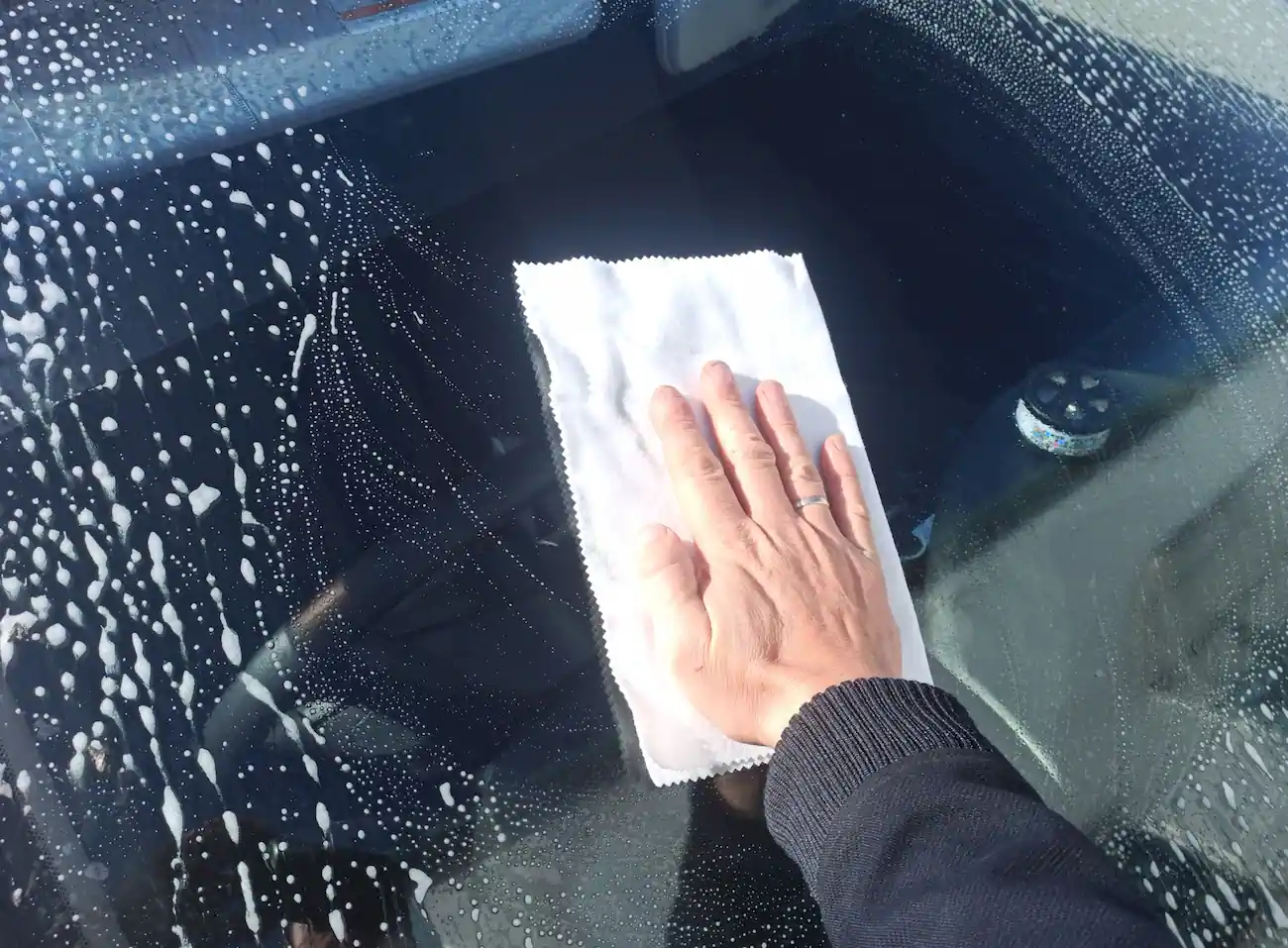
The process itself is straightforward. First, apply a small amount of cleaner to the inside surface of the windshield. Wait a few seconds so the liquid can break down the residue.
Then gently wipe the glass with a dry microfiber towel until all moisture disappears.
If you use a clean cloth and avoid spraying too much liquid, the windshield will turn completely clear and streak-free.
The entire job takes only a few minutes, but the difference in visibility can be significant. A clean interior windshield reduces glare from headlights at night and puts less strain on the driver’s eyes.
That’s why occasionally cleaning the inside of your windshield isn’t just about keeping the car looking nice—it’s also an important part of safer driving.
You may also be interested in the news:
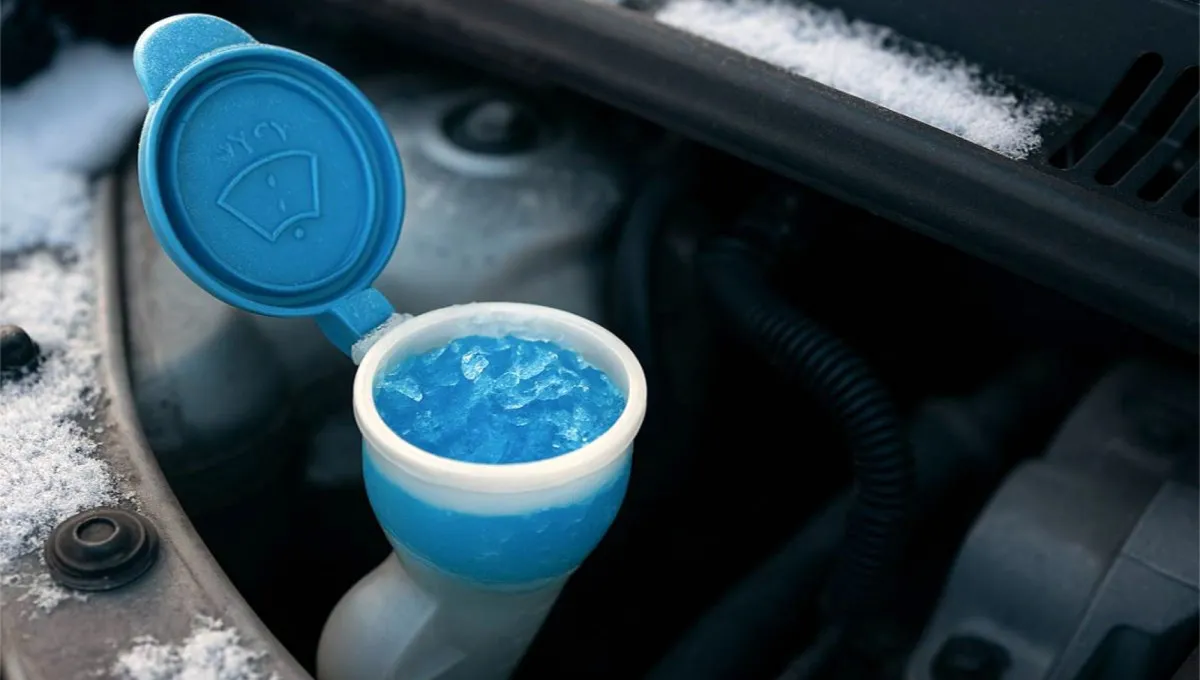
Windshield Washer Fluid Frozen in the Reservoir? Here’s How to Thaw It
A frozen washer system can catch drivers off guard, especially when a cold morning reveals that yesterday’s windshield washer suddenly stopped working.
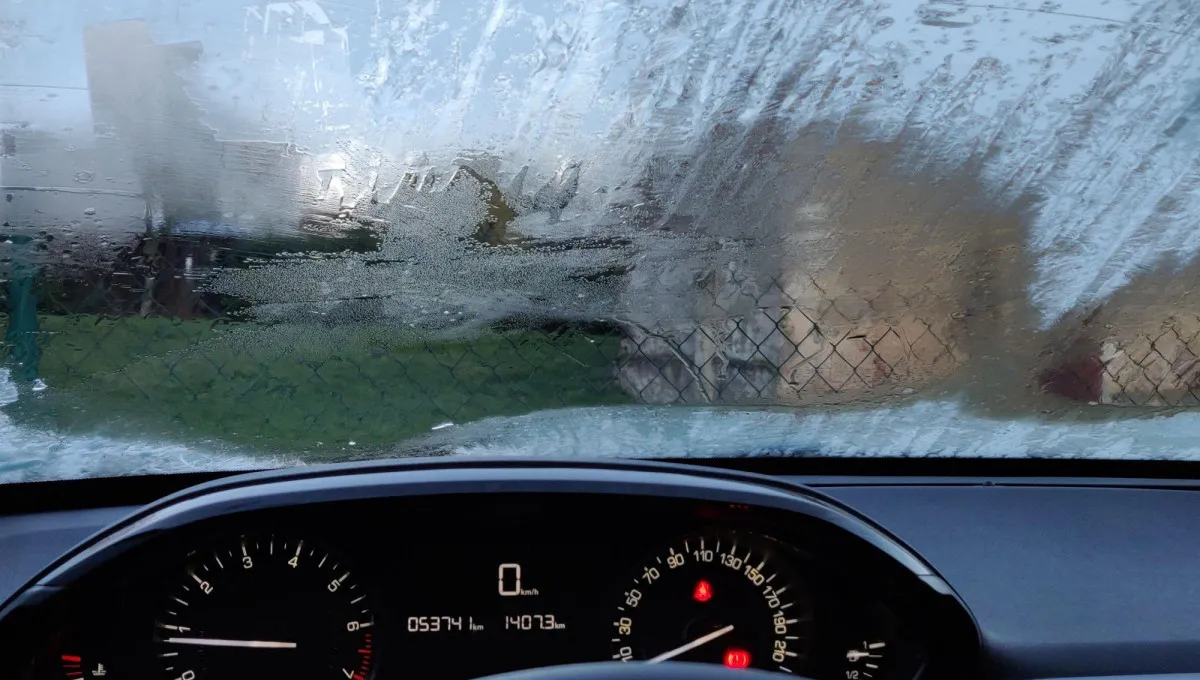
One Car Button Can Make Your Windows Fog Up Faster: What Not to Do in the Rain
Moisture brought into the cabin by drivers and passengers can linger in the air and settle on cold windows, reducing visibility.
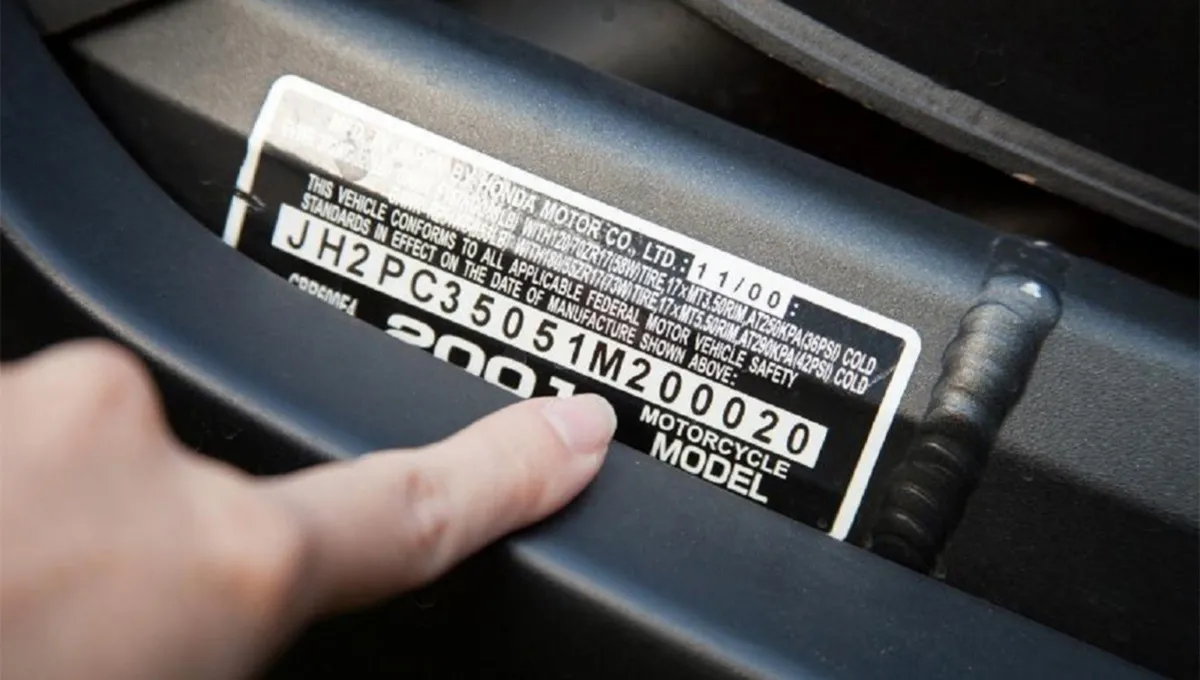
VIN-Based Auto Parts Lookup: Where Buyers Make the Most Mistakes
A VIN helps identify the right replacement part for your vehicle, but it cannot account for every change. Here’s what sellers need to know.
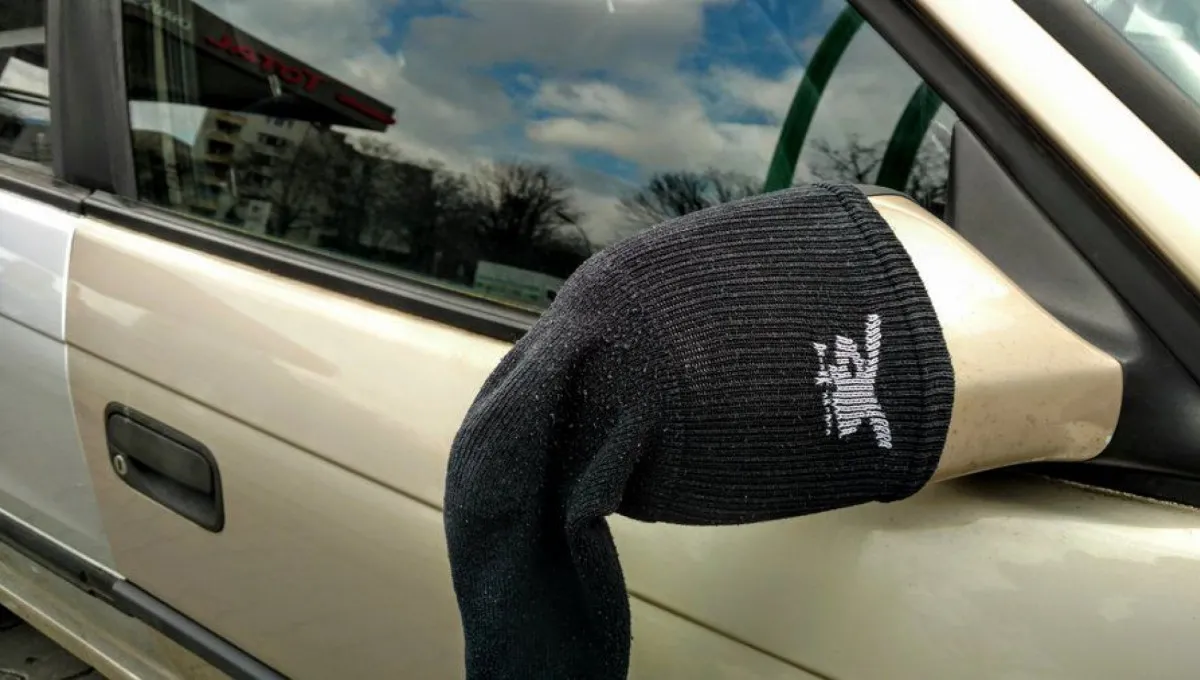
Why Experienced Drivers Put Socks on Their Car Mirrors in Fall: The Clever Trick Explained
An old pair of socks can help reduce frost buildup on your side mirrors overnight, saving time on cold mornings when every minute counts.
How to Clean Your Windshield Without Streaks: Experts Recommend This Simple DIY Mix
The secret to a streak-free windshield comes down to the right cleaning solution, two microfiber cloths, and the proper drying technique.