
Trump Promises to Lower Car Tariffs: What It Means for Automakers
The Trump administration is preparing to lessen the impact of imposed car tariffs.
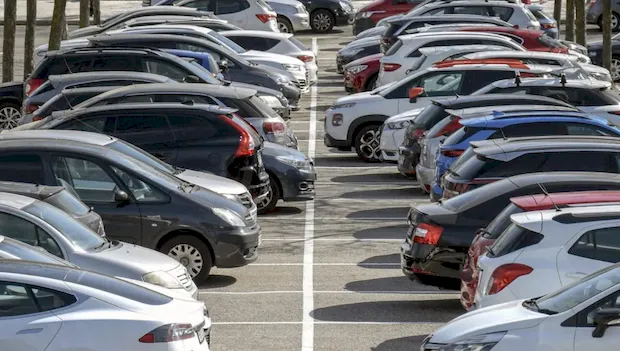
The Trump administration is preparing to lessen the impact of imposed car tariffs. Measures include easing tariffs on foreign parts for cars made in the USA, as well as excluding additional charges on cars made abroad. This was reported by Secretary of Commerce Howard Lutnick.
"President Trump is building an important partnership with both domestic automakers and our wonderful American workers", remarked Howard Lutnick.
This decision supports domestic production and encourages companies ready to invest in the American economy.
Automakers who pay tariffs will no longer be burdened with additional charges on steel and aluminum. Compensation for already paid tariffs will also be provided. An official statement is expected to be made today.
Amidst the upcoming trip to Michigan, where the "Detroit Three" automakers are located, automotive industry representatives expressed hope for easing tariff measures.
You may also be interested in the news:
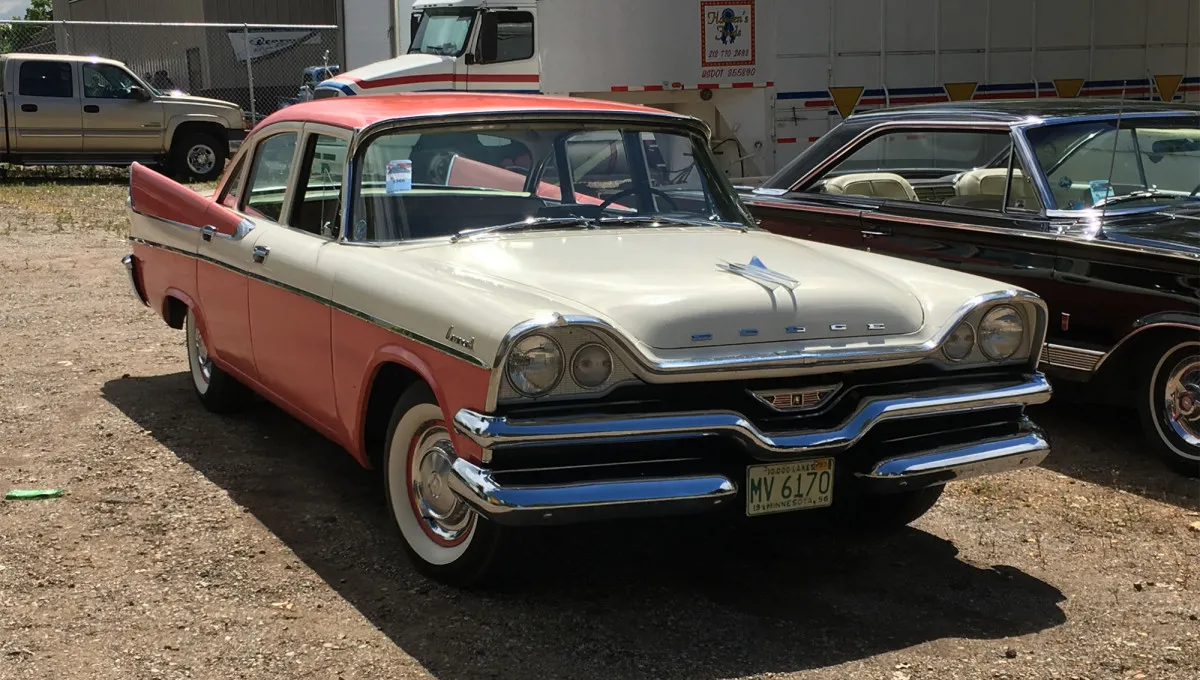
The 1957 Dodge: How “Autodynamics” Shaped One of Detroit’s Boldest Designs
The 1957 Dodge Looked Like a Dream Car, but Its Biggest Flaw Was Hiding Beneath the Surface.
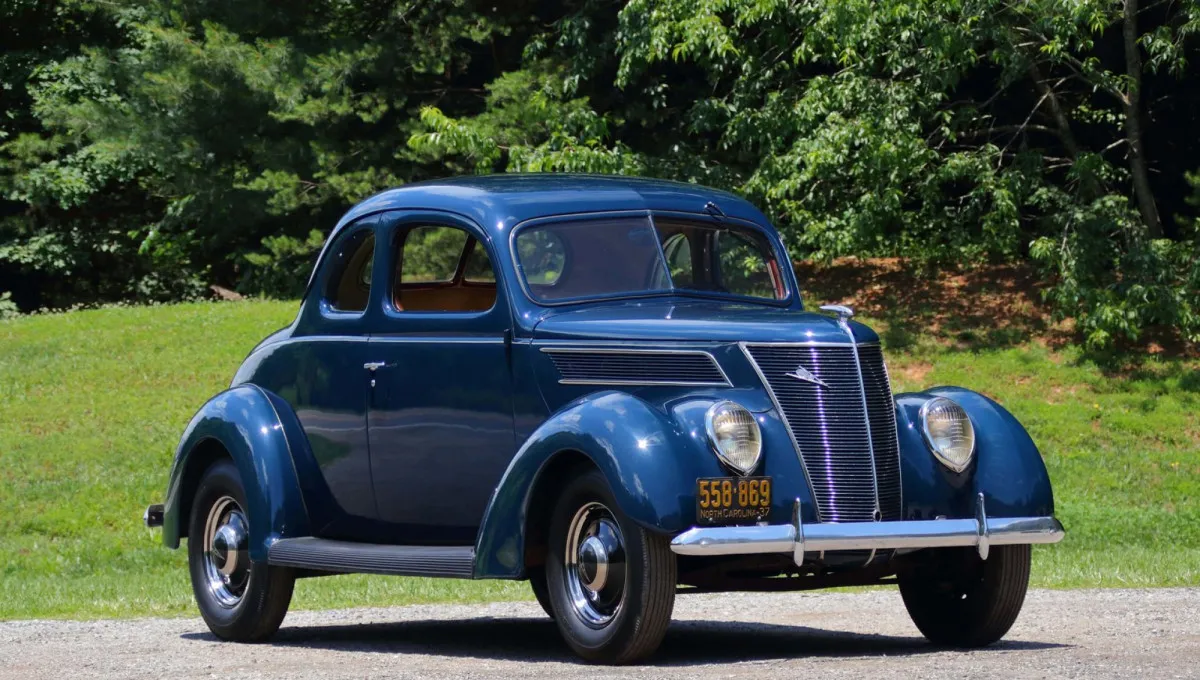
The 1937 Ford Was a Quality Car at an Affordable Price — Here’s What Made It Stand Out
The 1937 Ford featured several major changes and improvements. Let’s take a closer look.
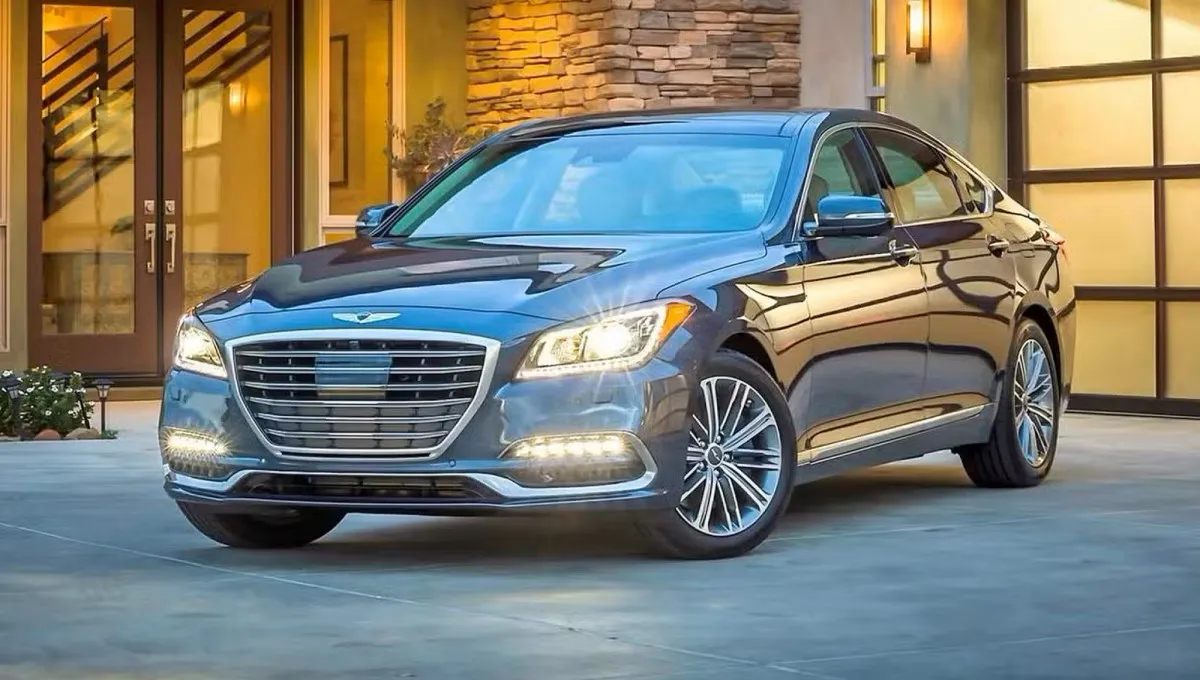
Hyundai Recalls Nearly 95,000 Genesis Sedans Over Fire Risk From Power Seats
Hyundai is recalling 94,622 Genesis sedans after a faulty power seat switch was linked to overheating and potential vehicle fires.
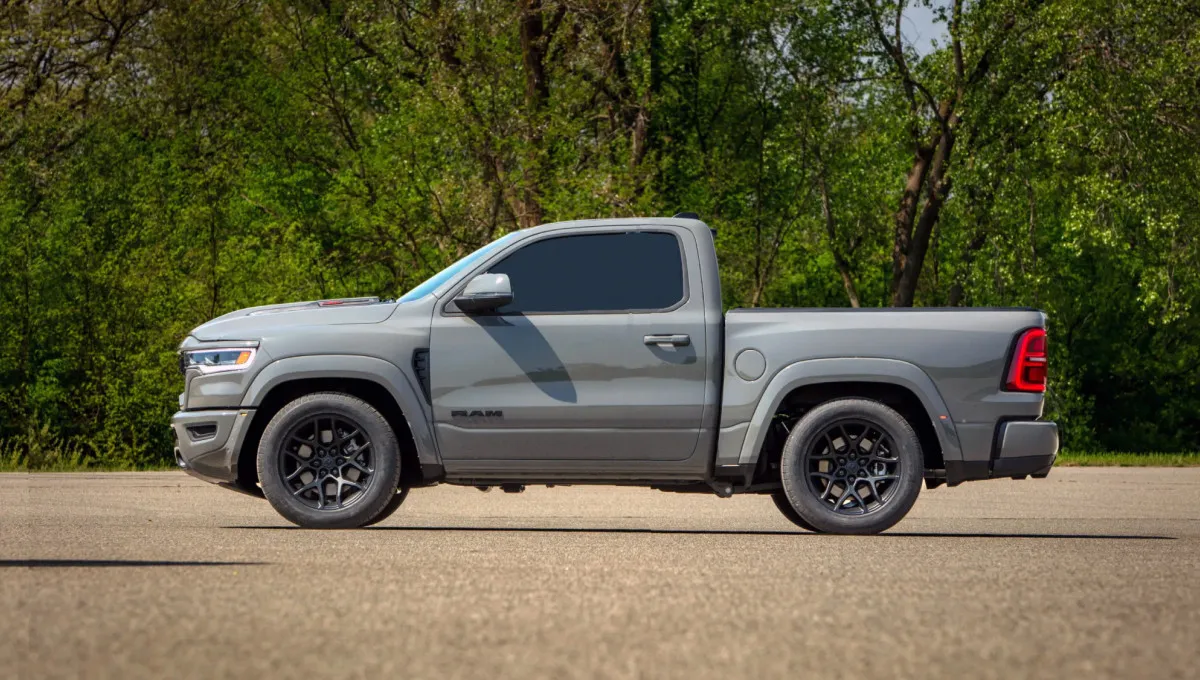
2027 Ram 1500 Rumble Bee: Pricing, Options and How to Build Yours
The 777-HP Ram Rumble Bee Is Coming — But You Can Buy the New Hemi Truck Now
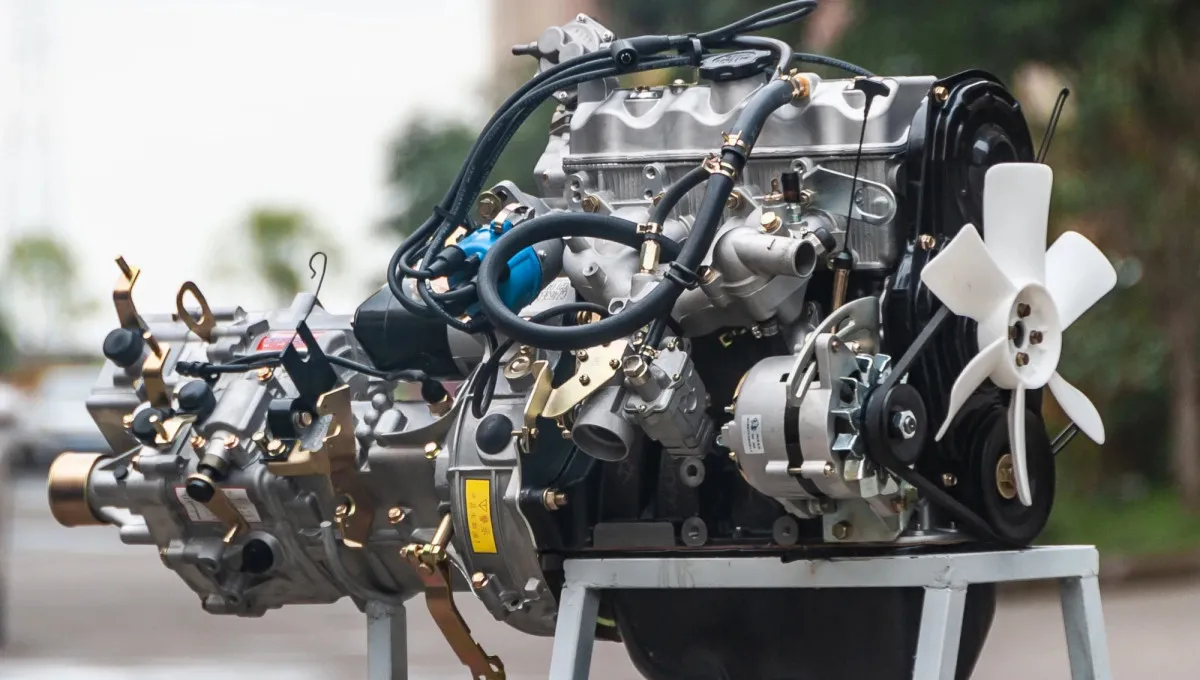
“Are You Sure It’s Chinese?” Who Really Builds China’s Car Engines
Who Really Develops China’s Car Engines?