
What to Do If Your Car Door Freezes Shut: Expert Advice
Why old-school tricks for opening a frozen car door no longer work—and what to do instead
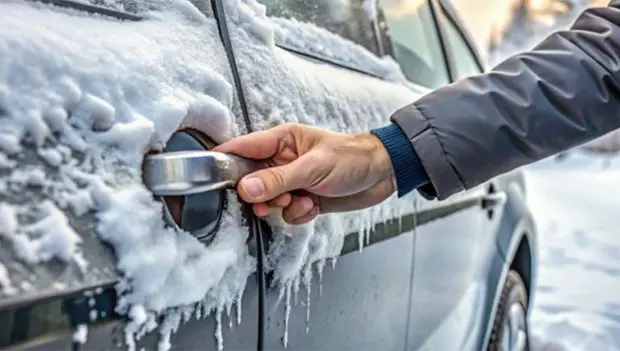
When temperatures drop below freezing, many drivers run into an all-too-familiar winter problem: a car door that won’t open because it’s frozen shut. Traditional “folk remedies” like pouring hot water on the door, blasting it with a hair dryer, or prying it open with a screwdriver are not only ineffective on modern cars—they can actually make things worse.
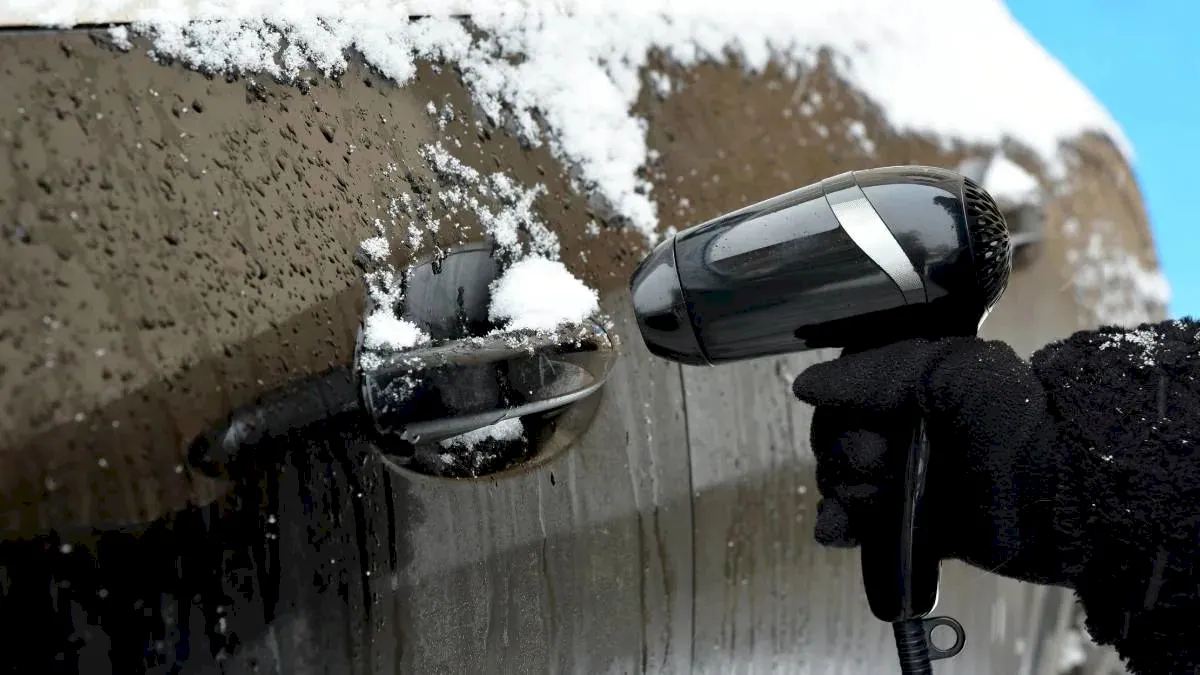
Here’s why those old methods are outdated:
-
Modern door locks and mechanisms contain a lot of plastic, which can crack or break easily under force.
-
Pouring boiling water can damage the paint and seals, and often leads to a fresh layer of ice forming almost immediately.
-
A hair dryer may warm the surface slightly, but it can’t effectively heat the internal parts of the lock, giving only the illusion of a fix.
What you should do instead:
-
Gently tap around the edges of the door to break the thin layer of ice between the seal and the body.
-
Use a dedicated de-icing spray or a product like WD-40 designed to displace moisture.
-
Try opening another door or the trunk, start the engine, and let the cabin warm up so heat can reach the frozen area from the inside.
The key takeaway is that modern vehicles require a more careful approach. Using the right products and avoiding brute force can save you from broken locks, damaged paint, and costly repairs during the winter months.
You may also be interested in the news:
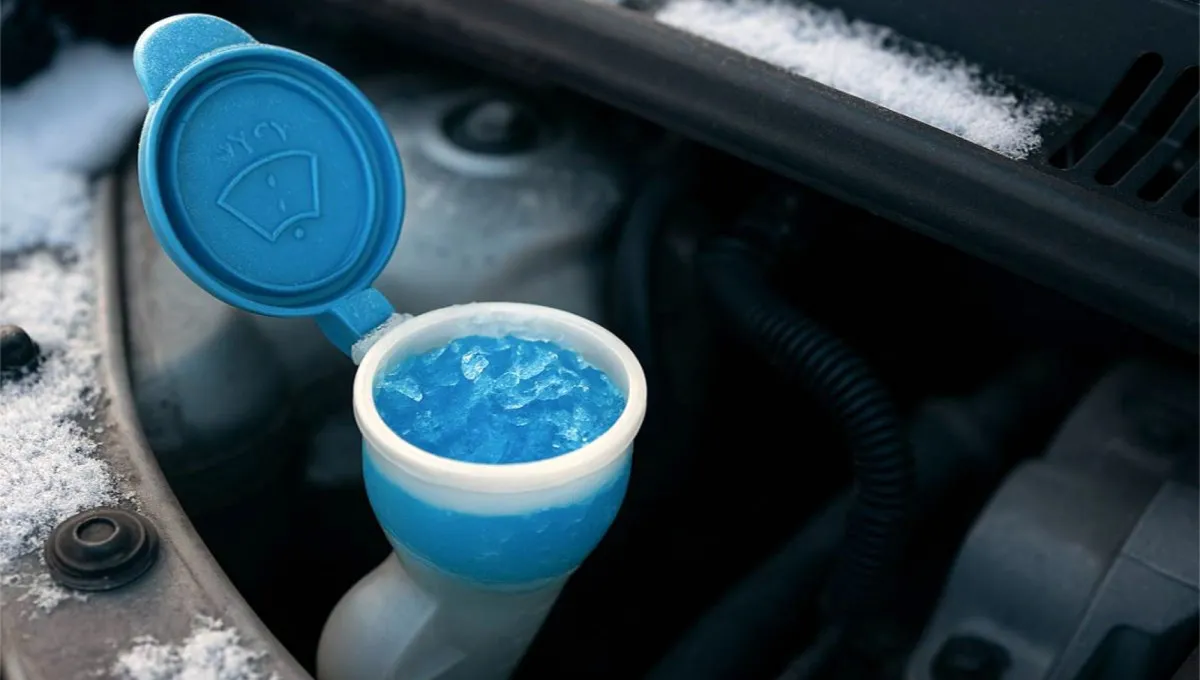
Windshield Washer Fluid Frozen in the Reservoir? Here’s How to Thaw It
A frozen washer system can catch drivers off guard, especially when a cold morning reveals that yesterday’s windshield washer suddenly stopped working.
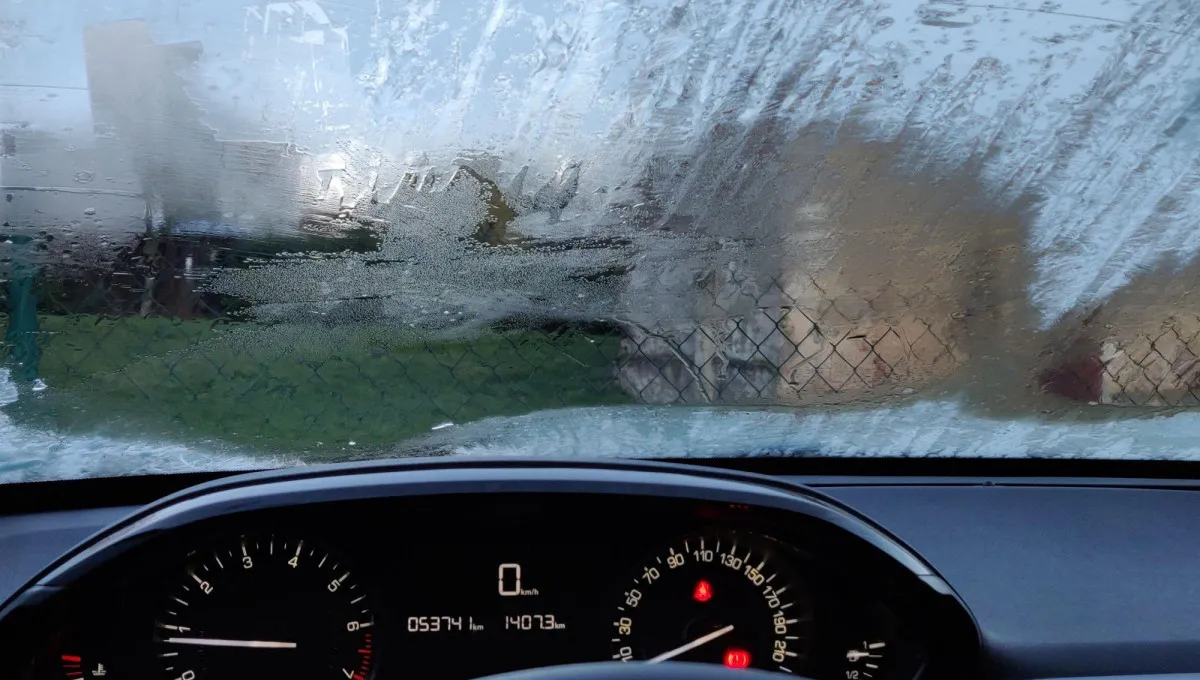
One Car Button Can Make Your Windows Fog Up Faster: What Not to Do in the Rain
Moisture brought into the cabin by drivers and passengers can linger in the air and settle on cold windows, reducing visibility.
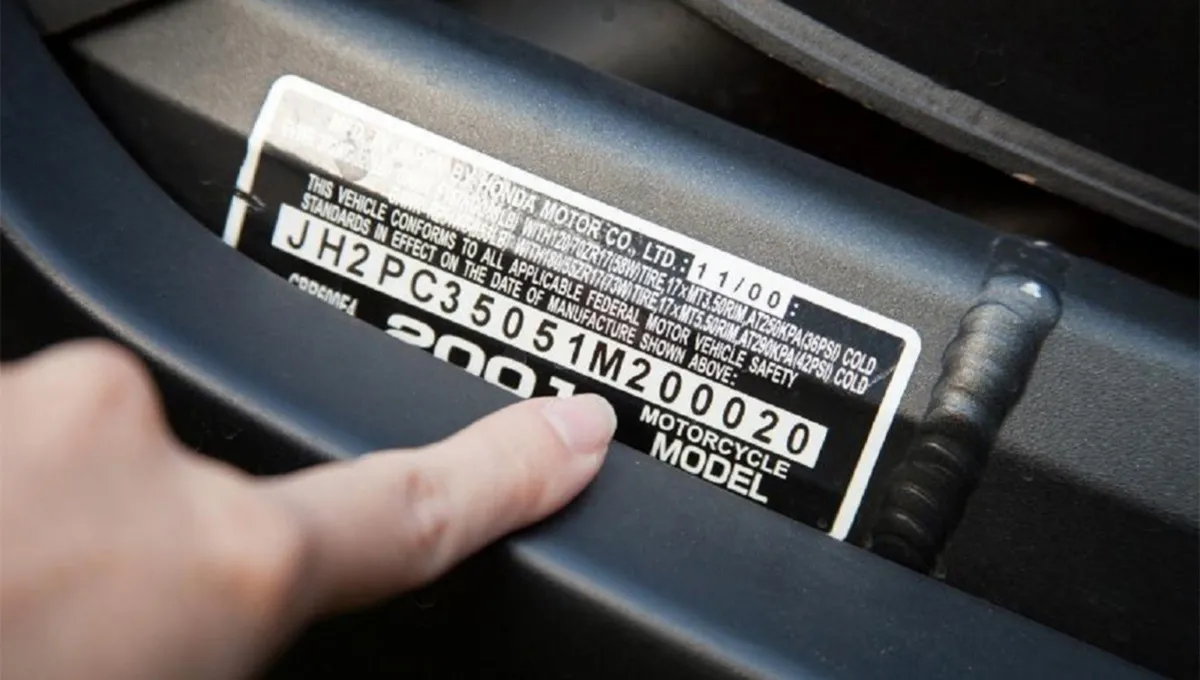
VIN-Based Auto Parts Lookup: Where Buyers Make the Most Mistakes
A VIN helps identify the right replacement part for your vehicle, but it cannot account for every change. Here’s what sellers need to know.
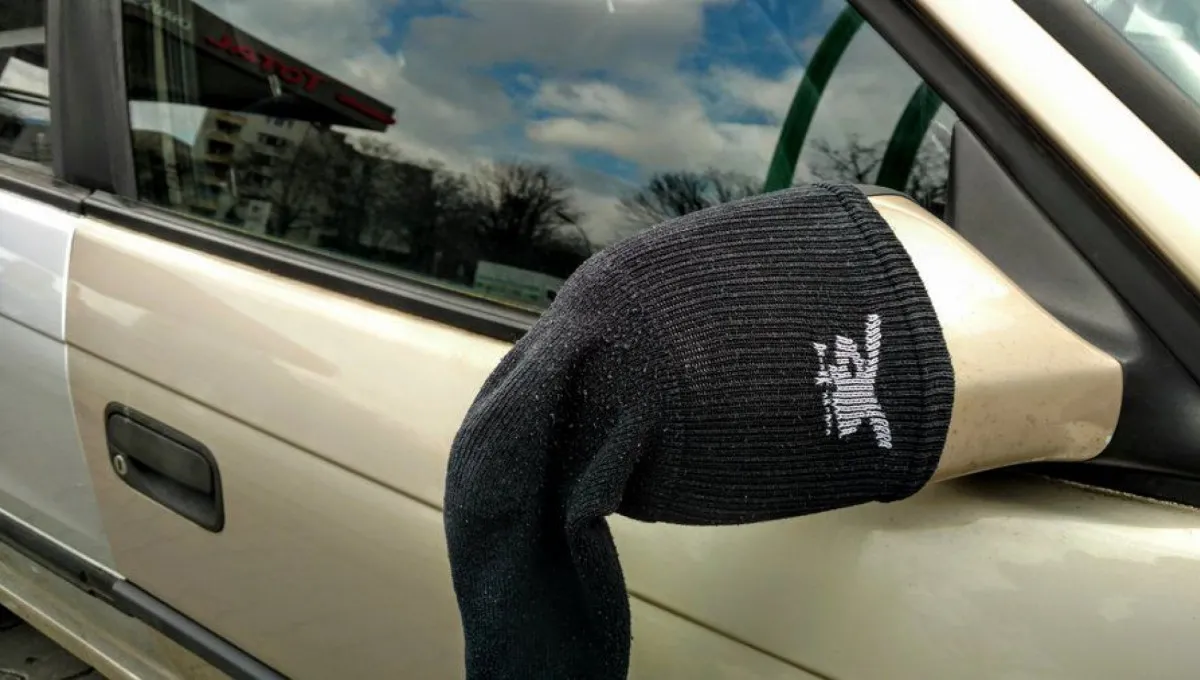
Why Experienced Drivers Put Socks on Their Car Mirrors in Fall: The Clever Trick Explained
An old pair of socks can help reduce frost buildup on your side mirrors overnight, saving time on cold mornings when every minute counts.
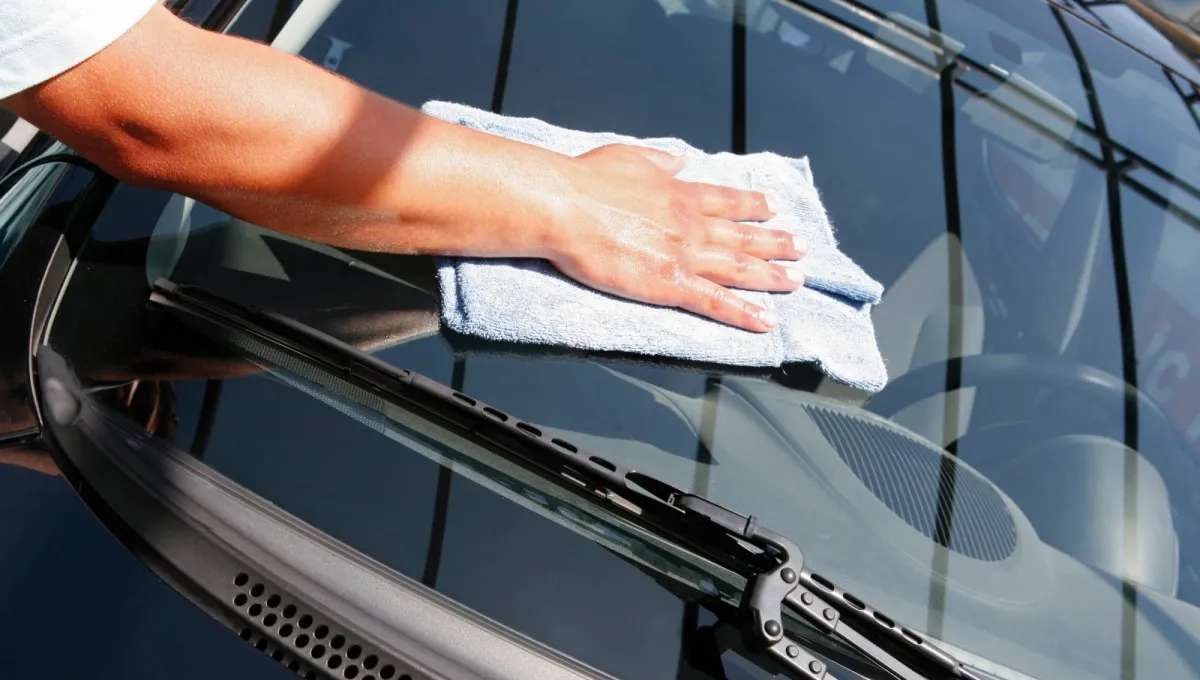
How to Clean Your Windshield Without Streaks: Experts Recommend This Simple DIY Mix
The secret to a streak-free windshield comes down to the right cleaning solution, two microfiber cloths, and the proper drying technique.