
Behind the Wheel of Retro Classics — BMW 3 Series: E30 (1982–1991)
Paul Horrell tests the second generation of the BMW 3 Series
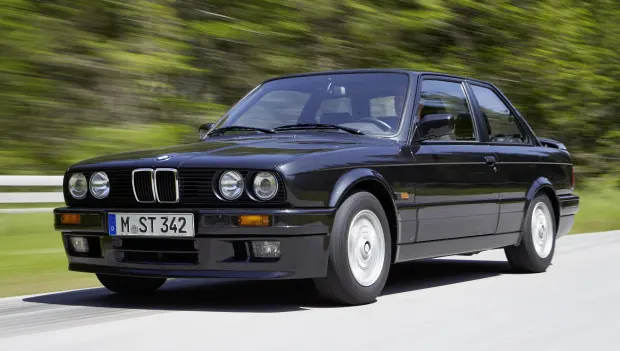
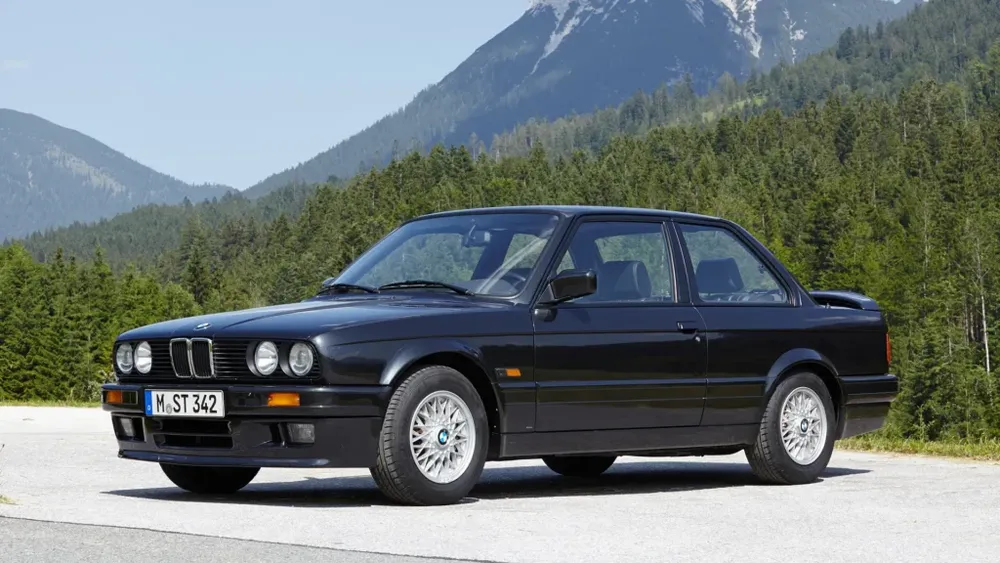
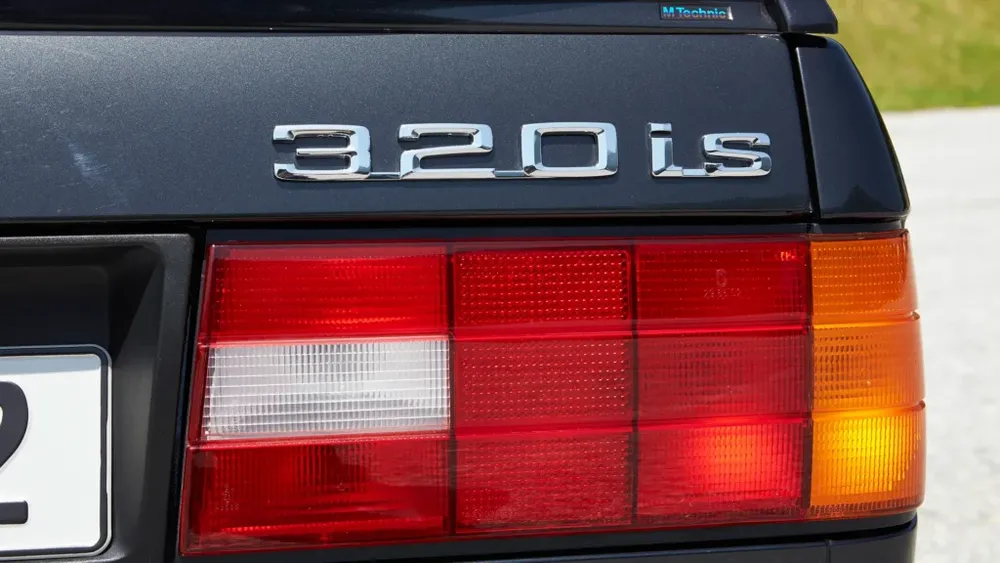
The next car in our selection, the BMW E30 320iS, vividly demonstrates the potential that was embedded in the 3 Series. The car I tested is called the «Italian M3» — essentially, it has the M3 engine with twin camshafts and 16 valves, developed for motorsport, but reduced to 2.0 liters so that Italians wouldn’t have to pay high taxes on powerful engines. The gearbox here is also from the M3 — a five-speed manual.
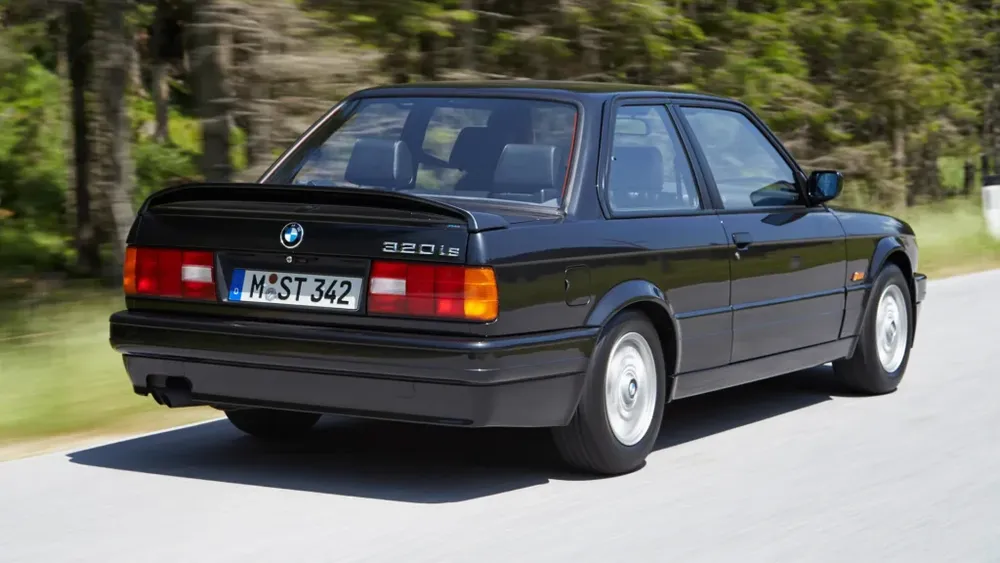
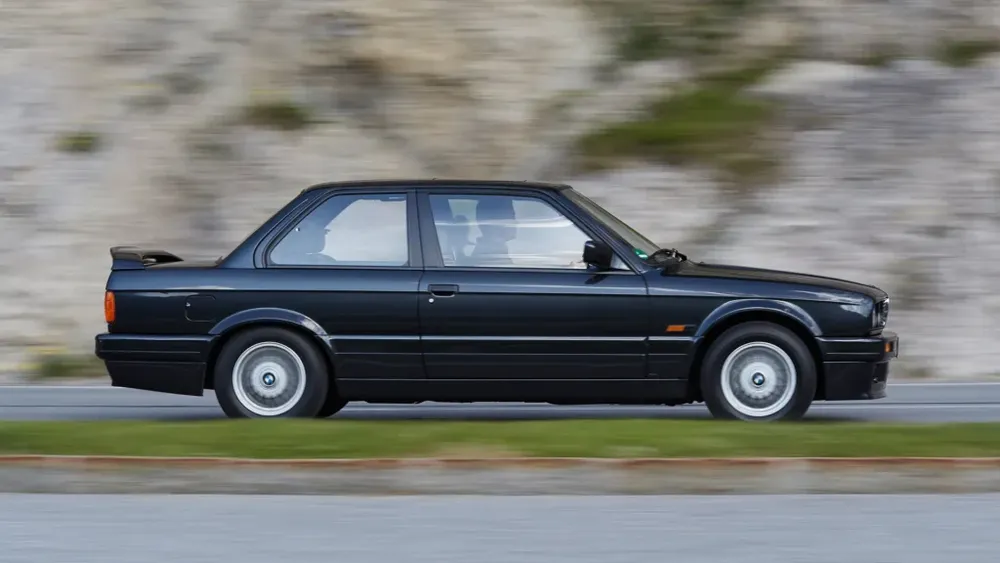
However, all this is housed in a regular 3 Series body, not in an M3, so there are no flared arches, lightweight glass, or vertical rear window. The suspension is also closer to standard.
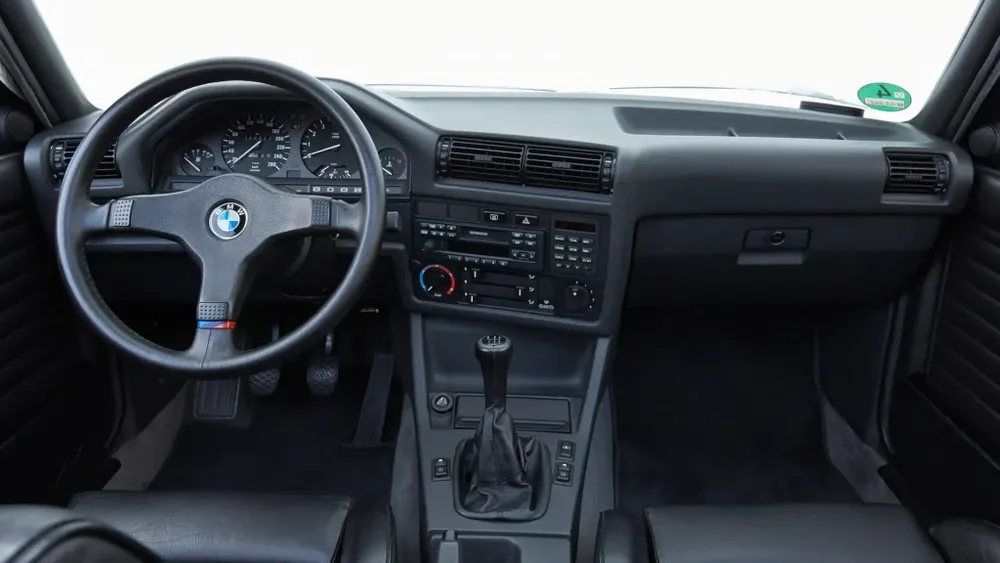
Inside, you are embraced by luxurious leather seats, hold a leather steering wheel, and face an unusual abundance of buttons. The first BMW onboard computer had a separate button for each parameter, and above, near the rearview mirror, was an additional «check control» panel.
The power unit is stunning. The engine produces 192 hp, which is very impressive for an old naturally aspirated two-liter engine. And it pulls like a happy puppy up to 7000 rpm, meaning it accelerates to 60 mph (~96 km/h) in just over seven seconds with a weight of only 1200 kg.
Gear changes are precise, with no unnecessary inertia, slack, or jolts in the transmission.
Compared to the E21, the chassis here is slightly stiffer and better absorbs shock, but overall, the setup is soft. At parking speeds, it's noticeable that the steering has power assistance, but in motion, it works surprisingly naturally.
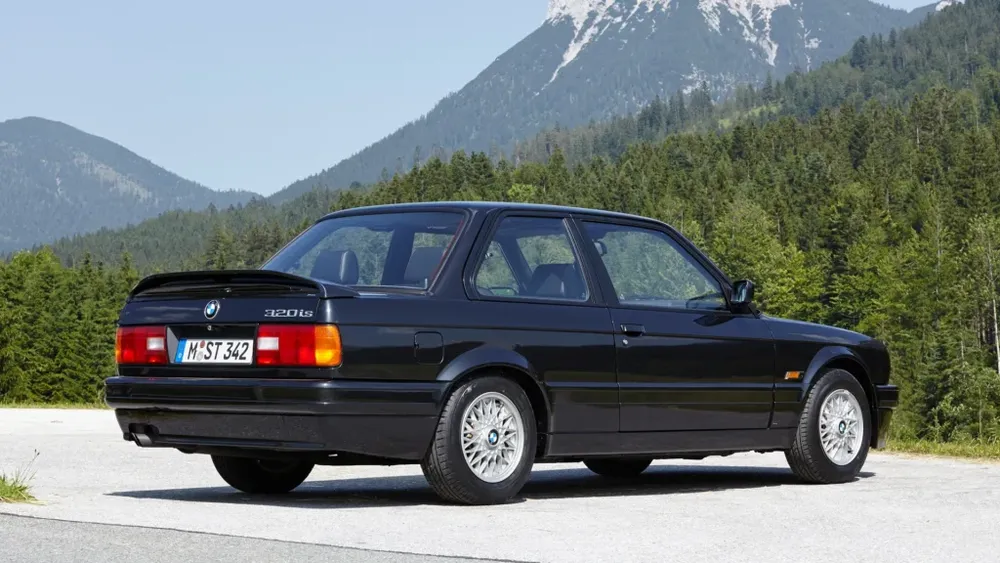
You feel everything the tires are doing. Compared to modern cars, the body's roll is quite noticeable, but overall, the chassis is excellently balanced.
Only if you abruptly lift off the throttle in a corner does the rear end start to step out. And this was a sign that the semi-independent rear suspension with trailing arms had reached its limit. BMW understood this, and the next step was a new 3 Series — a completely fresh start.
You may also be interested in the news:
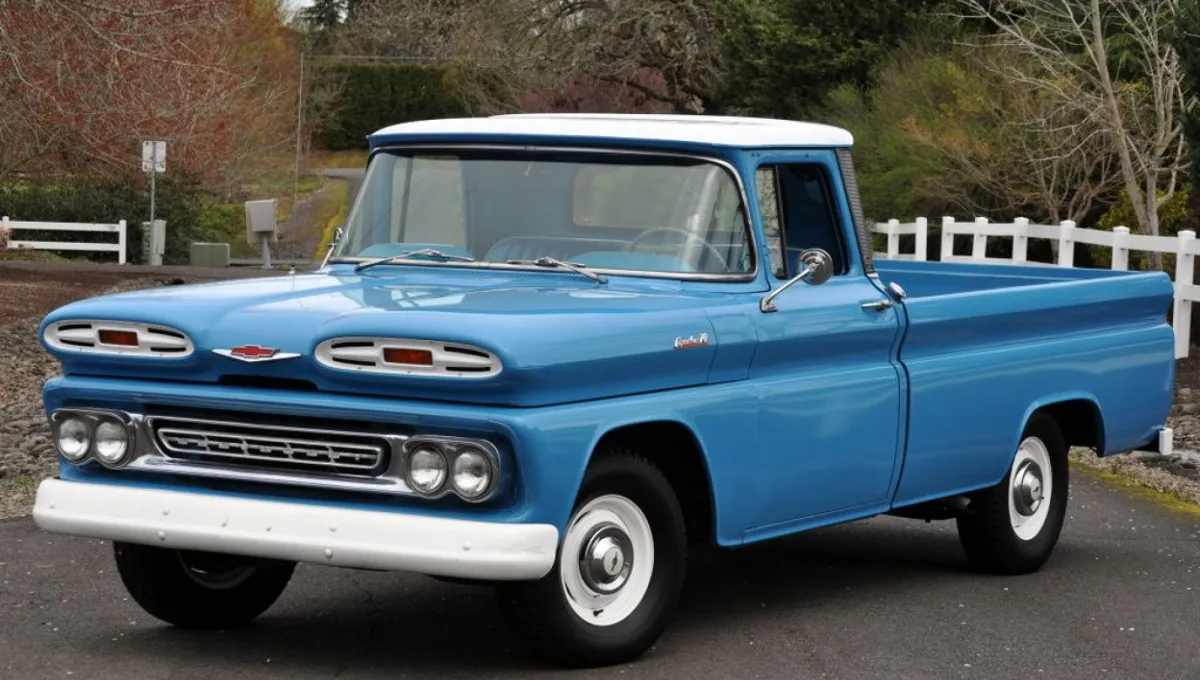
The 1960 Chevrolet Pickup: The Biggest Thing to Happen to Trucks Since Trucks Were Invented
Chevrolet unveiled an all-new pickup for 1960, calling it “the most important news since trucks came into being!”
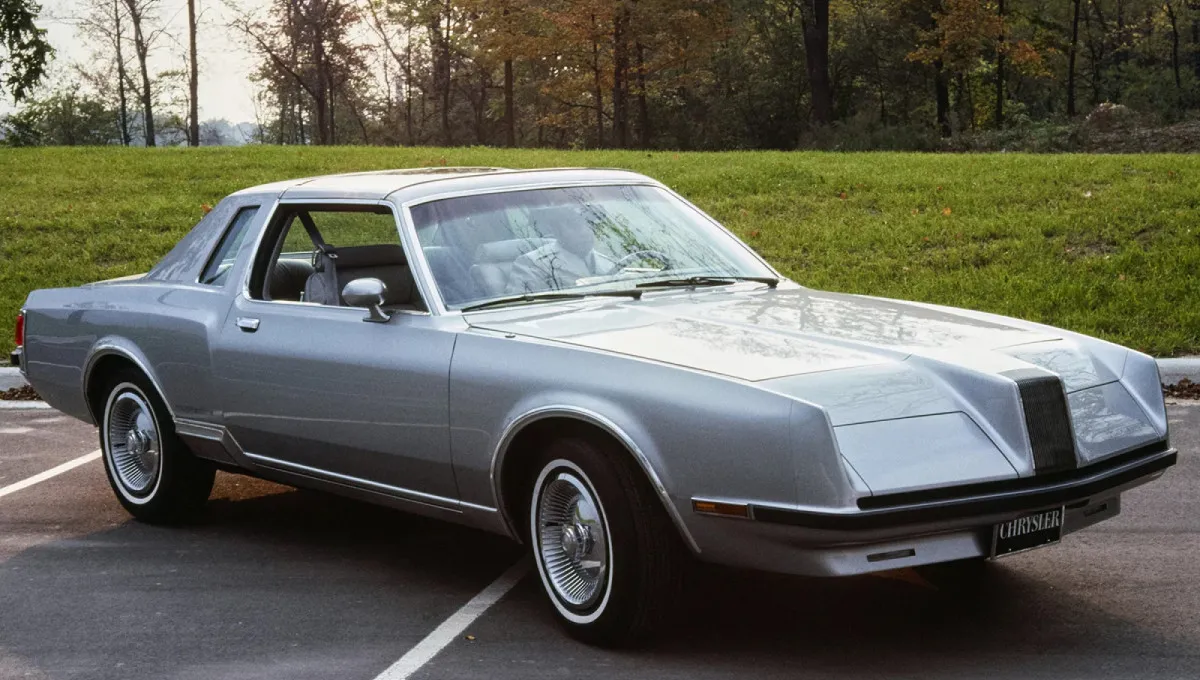
The 1977 Chrysler LeBaron Turbine: The Final Chapter of a 25-Year Experiment
Chrysler's 1977 LeBaron Turbine concept showcased decades of gas turbine research, but financial troubles ultimately brought the ambitious program to an end.
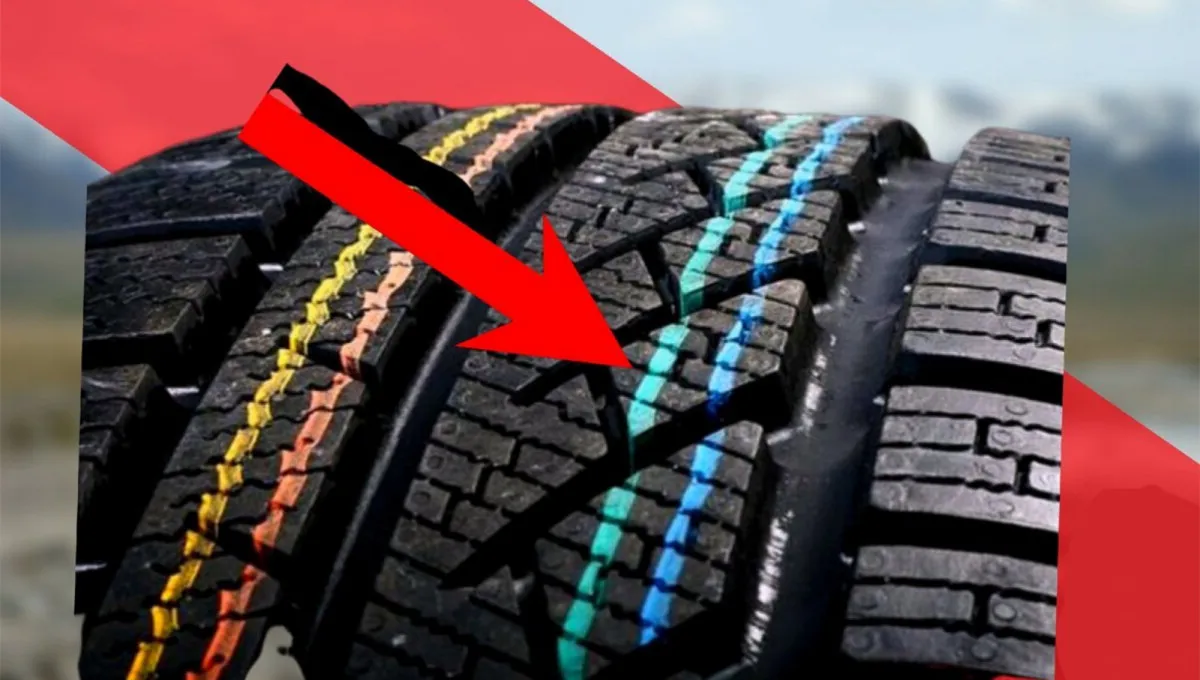
Why Colored Stripes on New Tires Confuse Drivers: What They Really Mean
A blue stripe on one tire brand can mean something entirely different on another, leaving drivers wondering what the markings mean.
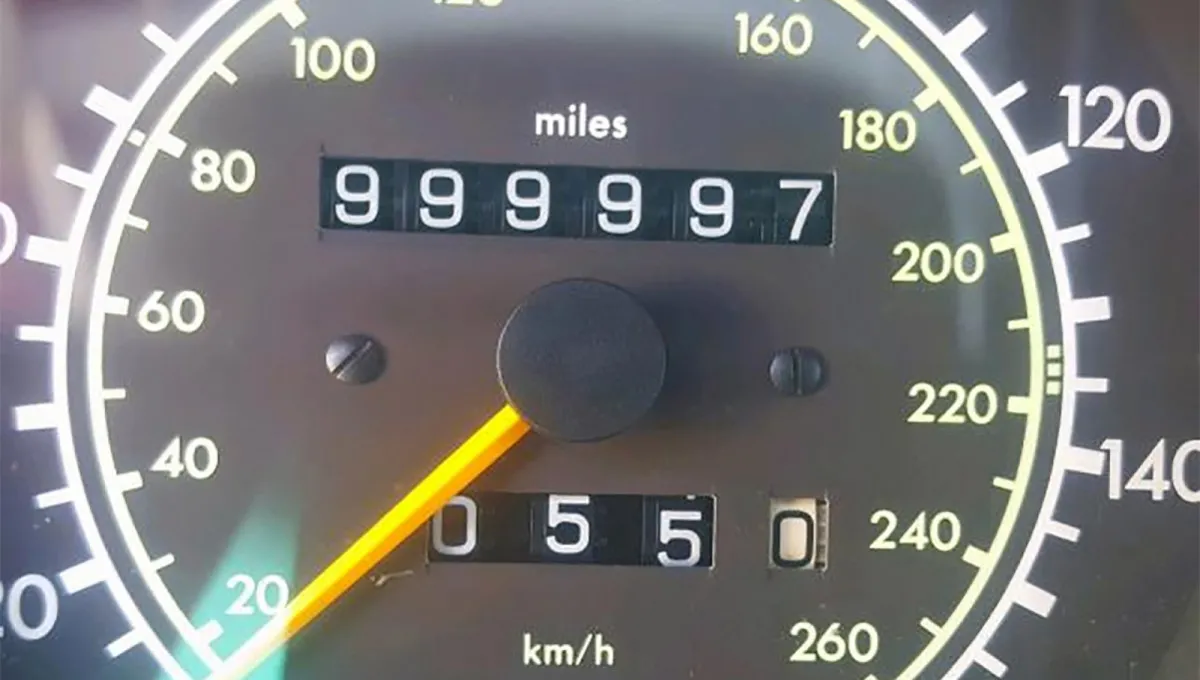
These 8 Cars Went Over 1 Million Miles — They Just Don’t Build Them Like They Used To
Some cars outlast generations of owners, proving that careful maintenance and durable engineering can deliver extraordinary mileage.
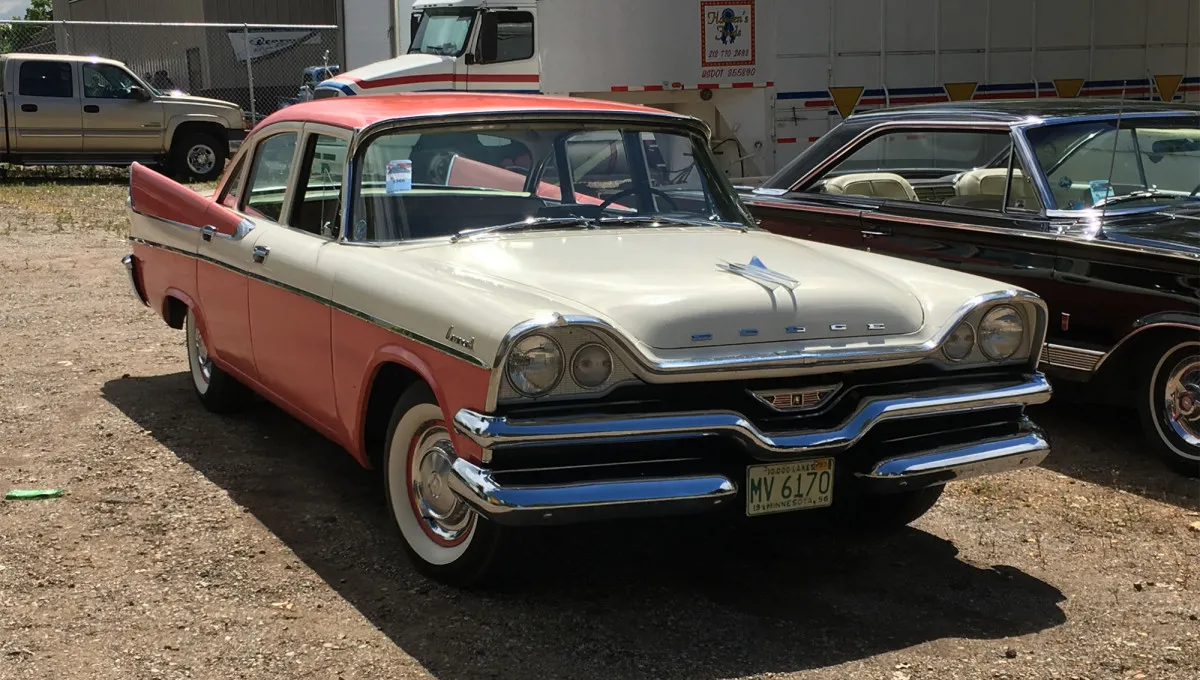
The 1957 Dodge: How “Autodynamics” Shaped One of Detroit’s Boldest Designs
The 1957 Dodge Looked Like a Dream Car, but Its Biggest Flaw Was Hiding Beneath the Surface.