
Ram CEO Kuneskis Explains Why the Brand Isn’t Ready to Take On the Ford Maverick With a Compact Pickup
The discussion centers on reviving the midsize Ram Dakota before committing to a smaller, Maverick-style truck.
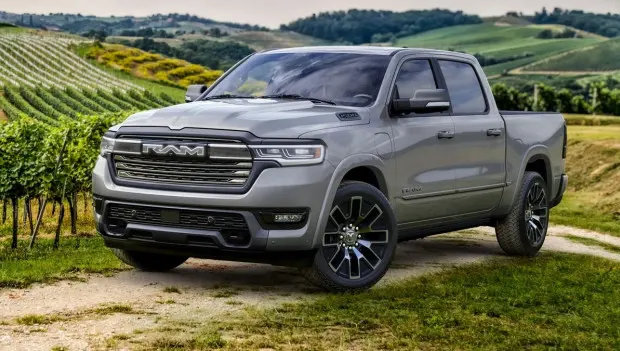
The past year has been a busy one for Ram. Stellantis’ truck brand brought the Hemi V8 back to the Ram 1500 for the 2026 model year and, at the same time, officially confirmed two upcoming debuts. One is the return of the midsize Dakota pickup, discontinued in 2011, and the other is a new full-size, body-on-frame SUV that rumors suggest could wear the Ramcharger name.
There is, however, one segment where Ram still hasn’t offered a clear answer, despite plenty of speculation: a compact pickup that could go head-to-head with the Ford Maverick. Ram isn’t dismissing the idea outright, but it’s also not making promises. Brand CEO Tim Kuniskis has made it clear that personal enthusiasm from one executive isn’t enough — there are simply too many variables involved.
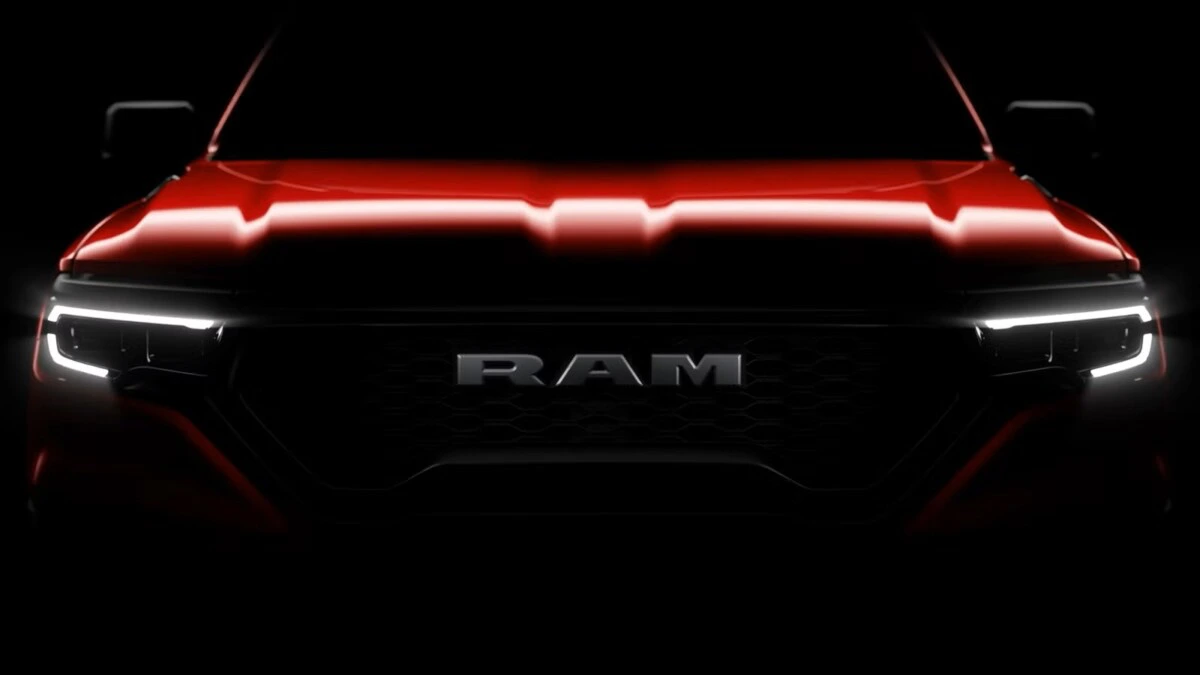
Kuniskis said the company plans to bring trucks to market over the next 18 months that Ram has never offered before, with dozens of new variations in the pipeline. Against that backdrop, the idea of a “small pickup” makes sense, but for now it remains a topic of internal discussion rather than a confirmed project.
Speaking with Mopar Insiders, Kuniskis admitted he likes the Ram Rampage currently sold in South America and even finds its design more appealing than the Ford Maverick Lobo. Still, he quickly tempered expectations, noting that liking a model doesn’t automatically mean it will be sold in the United States.
He also shared his view on the Maverick’s success. Kuniskis suggested part of Ford’s momentum may come from the company shifting its focus toward the more profitable Bronco, leaving the Ranger somewhat out of the spotlight. As a result, the Maverick ends up filling demand that might otherwise have gone to the Ranger. For Ram, that hints at an opportunity to build an affordable truck that doesn’t necessarily have to be extremely small.
The key issue, Kuniskis emphasized, is the future Dakota. Ram currently has no midsize pickup, and that gap needs to be filled as soon as possible. Investing in a compact truck at the same time, without knowing how the midsize segment will perform, would be risky. His view is that Ram needs to test the market with the Dakota first, then decide whether a smaller model makes sense.
No official launch date for the Dakota has been announced, though expectations point to around 2028. Even if Ram ultimately green-lights a compact pickup — potentially one based on an overseas model — the company would still need to invest time and money to adapt it to U.S. regulations. That pushes any realistic timeline into the 2030s, possibly with a next-generation Rampage or an entirely different vehicle. Political factors, including U.S. regulations and battery-related policy, could also play a decisive role in whether Ram builds a compact pickup at all — and what form it might take.
You may also be interested in the news:
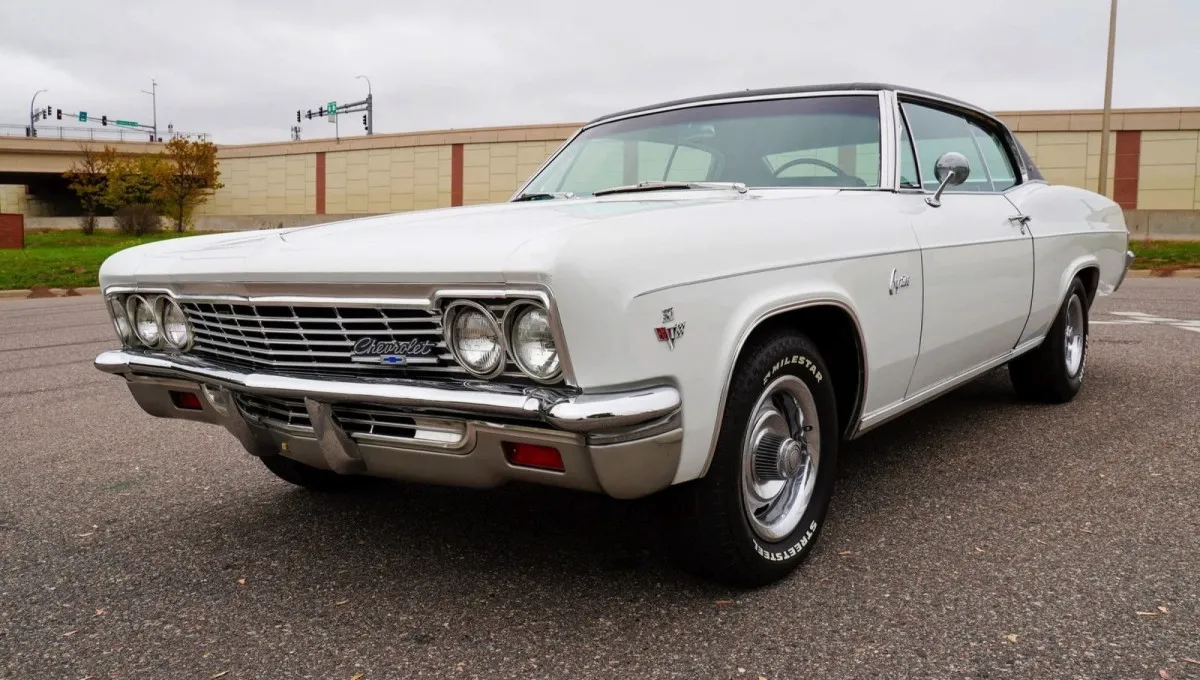
Restored 1966 Chevy Caprice Looks Showroom-Fresh, but Those 13K Miles Don't Tell the Whole Story
This restored 1966 Chevrolet Caprice looks road-ready, but its 13,000-mile odometer reading comes with an important catch.
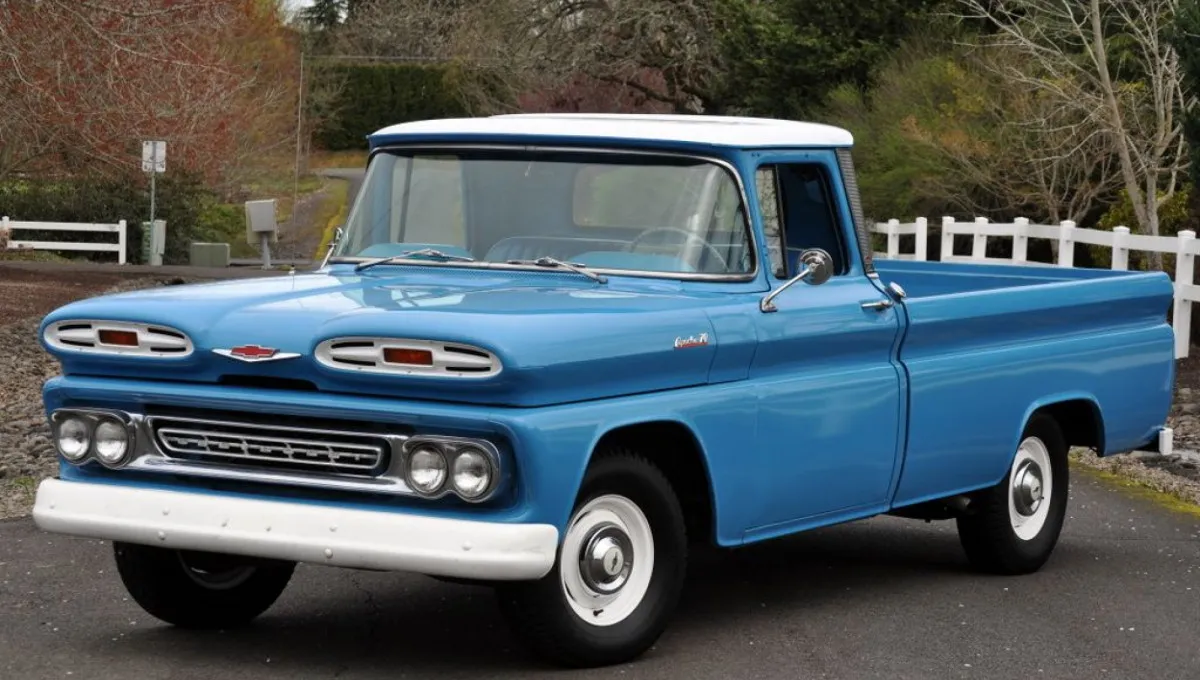
The 1960 Chevrolet Pickup: The Biggest Thing to Happen to Trucks Since Trucks Were Invented
Chevrolet unveiled an all-new pickup for 1960, calling it “the most important news since trucks came into being!”
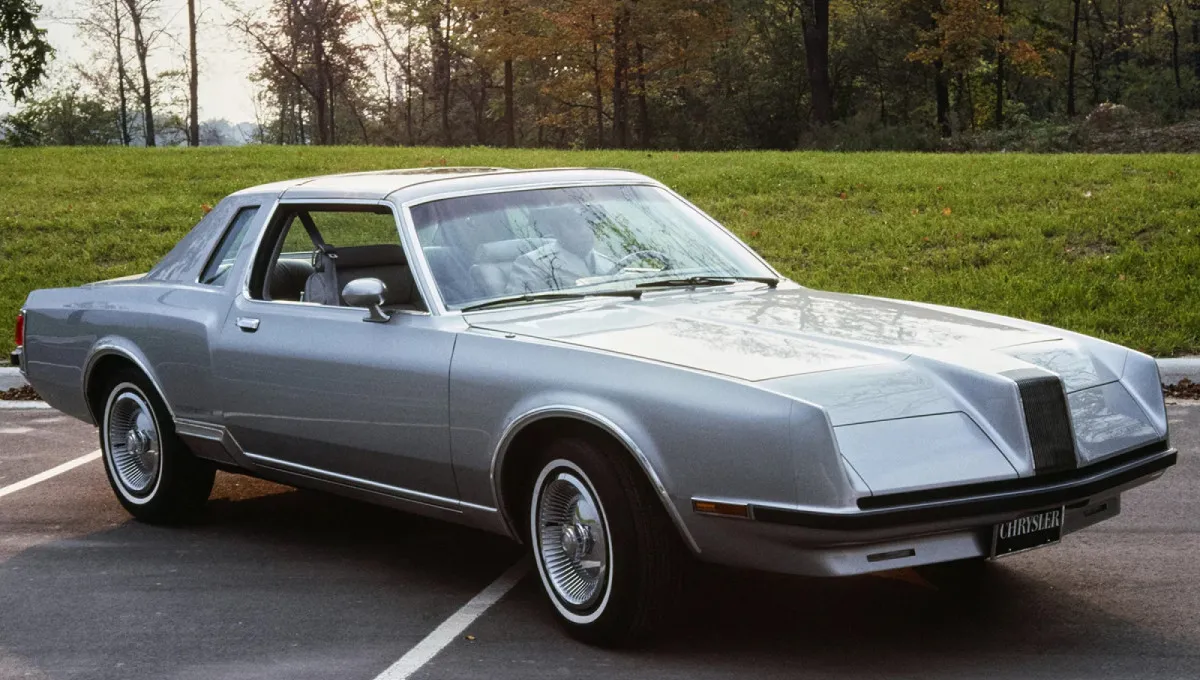
The 1977 Chrysler LeBaron Turbine: The Final Chapter of a 25-Year Experiment
Chrysler's 1977 LeBaron Turbine concept showcased decades of gas turbine research, but financial troubles ultimately brought the ambitious program to an end.
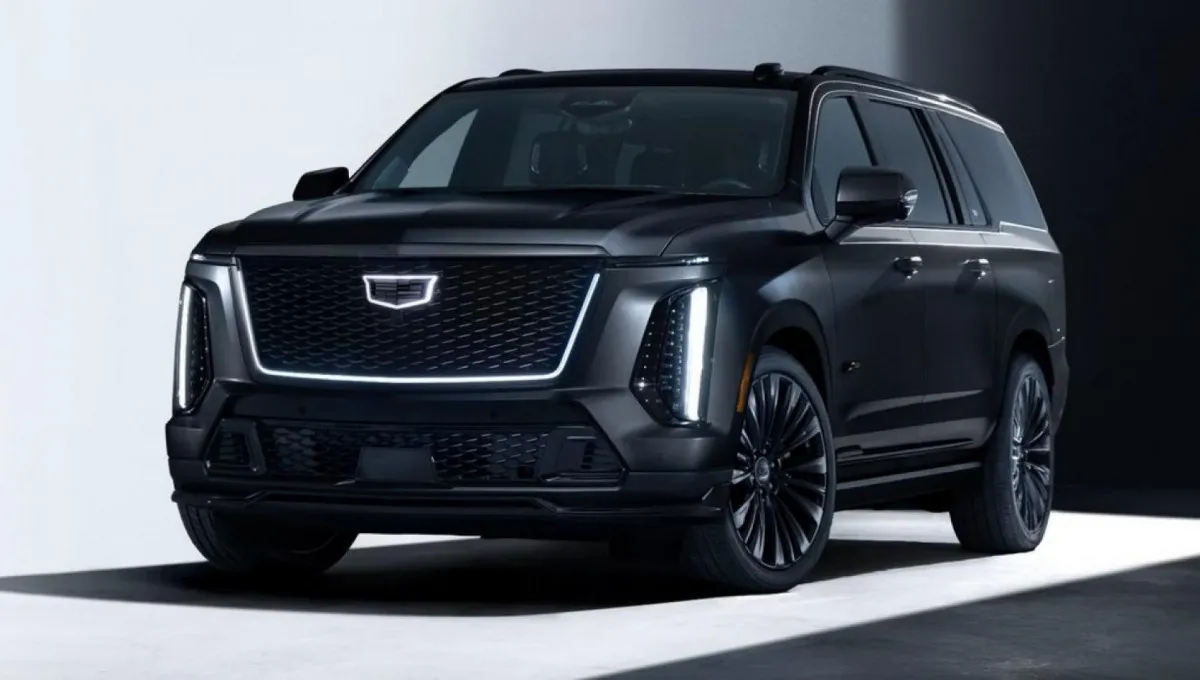
Cadillac Celebrates Its 125th Anniversary With the Most Expensive Escalade-V Ever
One of America’s oldest automotive brands has unveiled a limited-edition version of its flagship SUV to mark a major milestone.
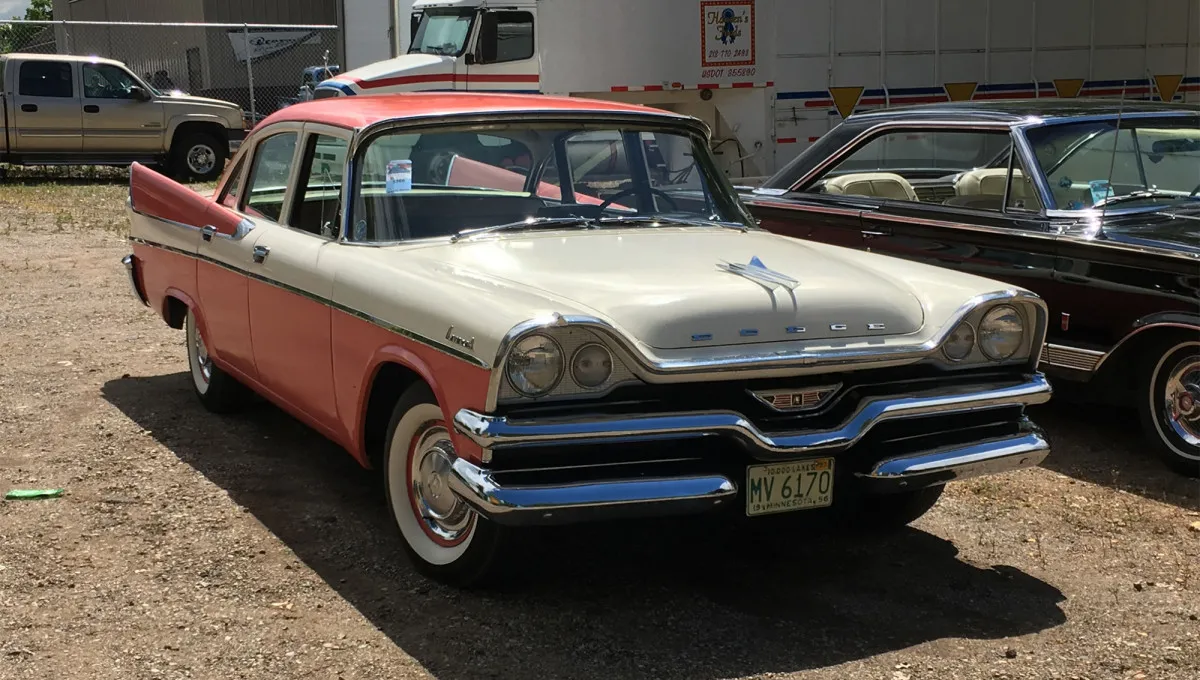
The 1957 Dodge: How “Autodynamics” Shaped One of Detroit’s Boldest Designs
The 1957 Dodge Looked Like a Dream Car, but Its Biggest Flaw Was Hiding Beneath the Surface.