
This is a mistake many drivers make: which sunglasses are not suitable for driving
Many drivers mistakenly believe that any sunglasses are suitable for driving trips, but is this really the case? Auto30 editorial team investigated.

Many drivers mistakenly believe that any sunglasses are suitable for driving trips, but is this really the case? The Auto30 editorial team investigated.
Poor choice of frame and lenses can seriously impact safety. Some sunglasses reduce contrast, distort color, and impair visibility, especially in poor lighting conditions.
It is recommended to use models with UV-400 or 100% UV protection marking, which block ultraviolet radiation. The appropriate level of light transmission is category 2 and 3 (8–43%). Category 4 glasses, which transmit less than 8% of light, are prohibited for driving in EU countries. Their use can lead to a fine for obstructed view.
The color of the lenses also matters. The safest are considered to be gray and brown glasses, as they do not distort the color of traffic signals. Yellow, green, and blue lenses can impair contrast and hinder orientation in twilight or tunnels.
Photochromic glasses, popular in everyday life, often do not work properly in a car: ultraviolet is blocked by the windshield, and the lenses do not darken. Glasses with anti-glare coating and a sturdy, lightweight frame that does not obstruct the view or slip are best. Large lenses with side protection and frames made of impact-resistant nylon are the most suitable.
You may also be interested in the news:
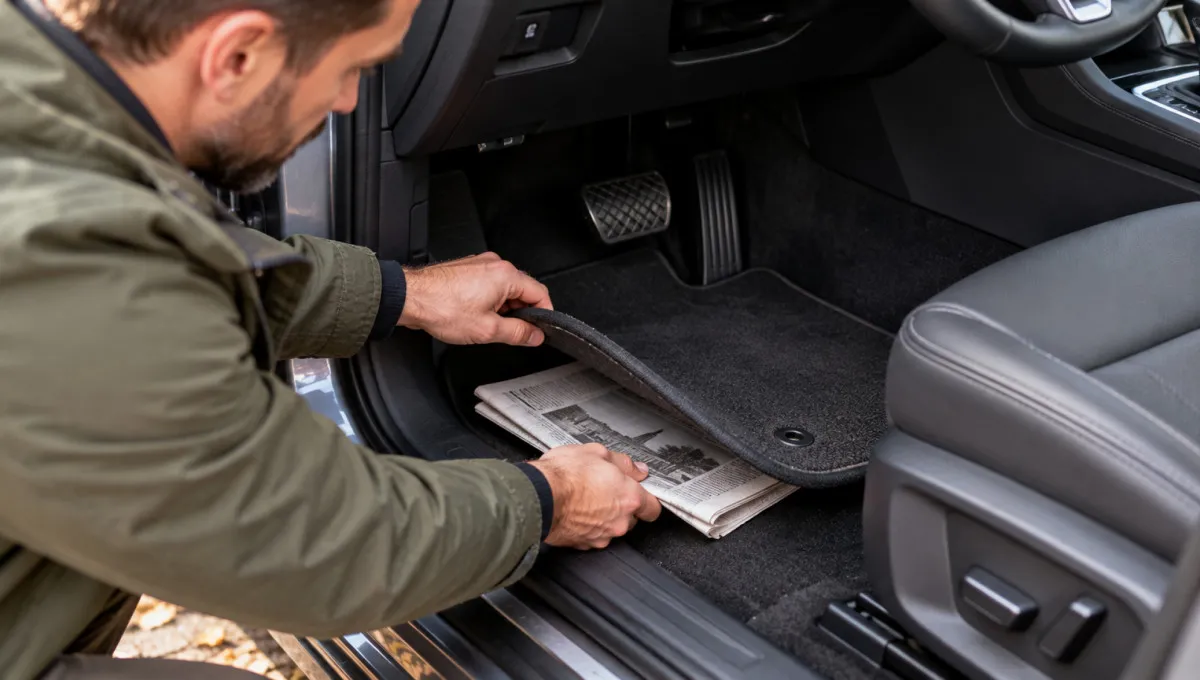
When the First Freeze Hits, Put Newspaper Under Your Floor Mat: An Old Winter Driving Trick
Newspaper under a floor mat can help protect a car's floor from winter moisture, but it requires regular attention.
How a Repair Shop Can Overcharge You: What Every Driver Should Know
An experienced mechanic knows how to increase a repair bill, and drivers should know what to watch for before approving work.
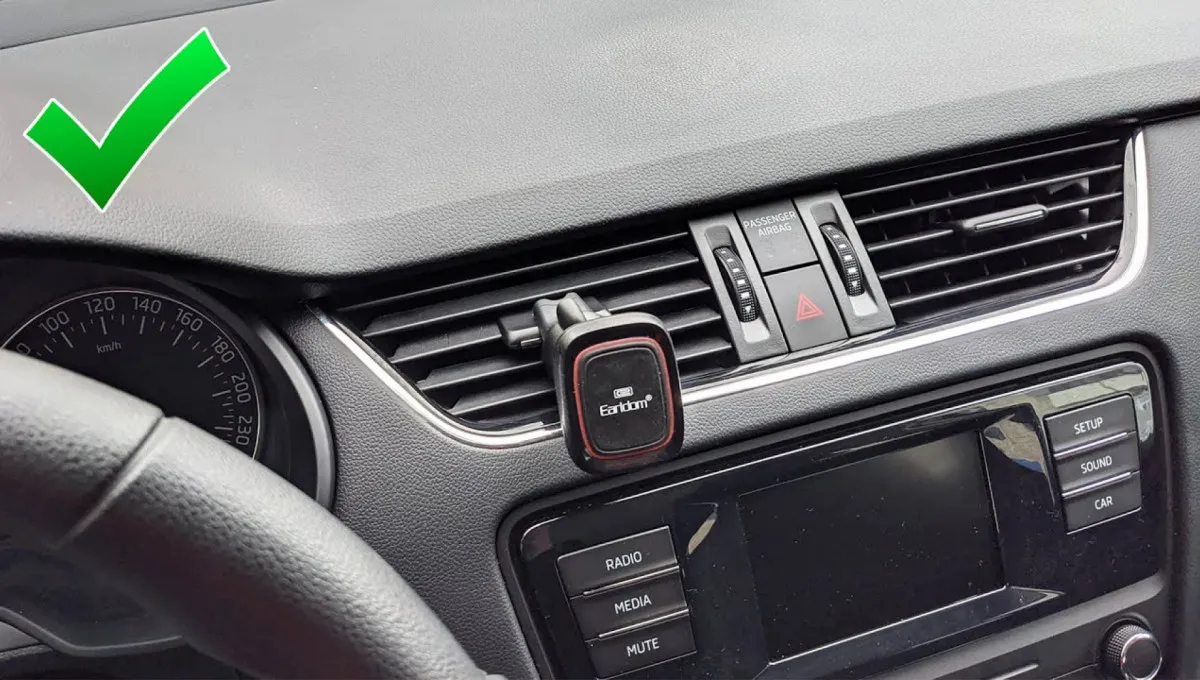
How to Find the Source of a Car Interior Rattle in 15 Minutes
A simple trick can help drivers pinpoint an annoying interior rattle without taking apart half the cabin or visiting a repair shop.
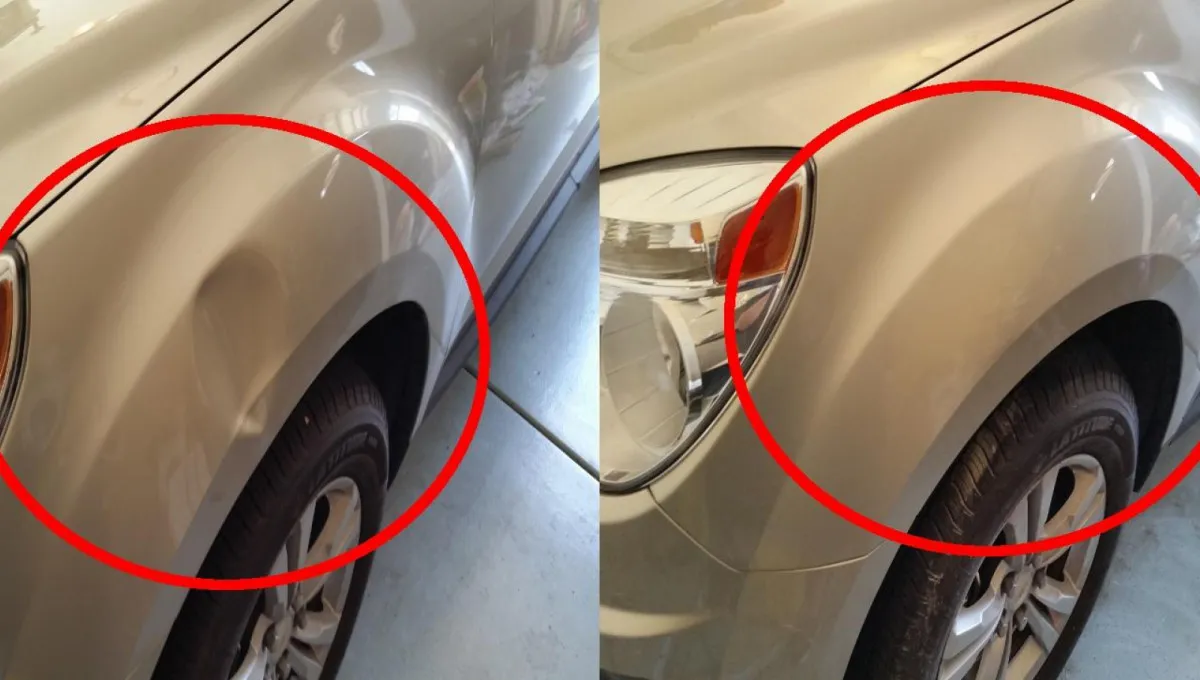
The Dent Can Disappear Without a Trace: How to Repair Car Body Damage Without Paint
Paintless dent repair can restore a damaged panel to its original shape, but only when certain conditions are met.
What Does a Flashing Red Traffic Light Mean? Can You Keep Driving?
Drivers must come to a complete stop at the stop line before deciding whether it is safe to proceed.