
The Uprising of Machines — the Beginning: The first electric sports car in history 'Inizio EVS', how it was. But something went wrong
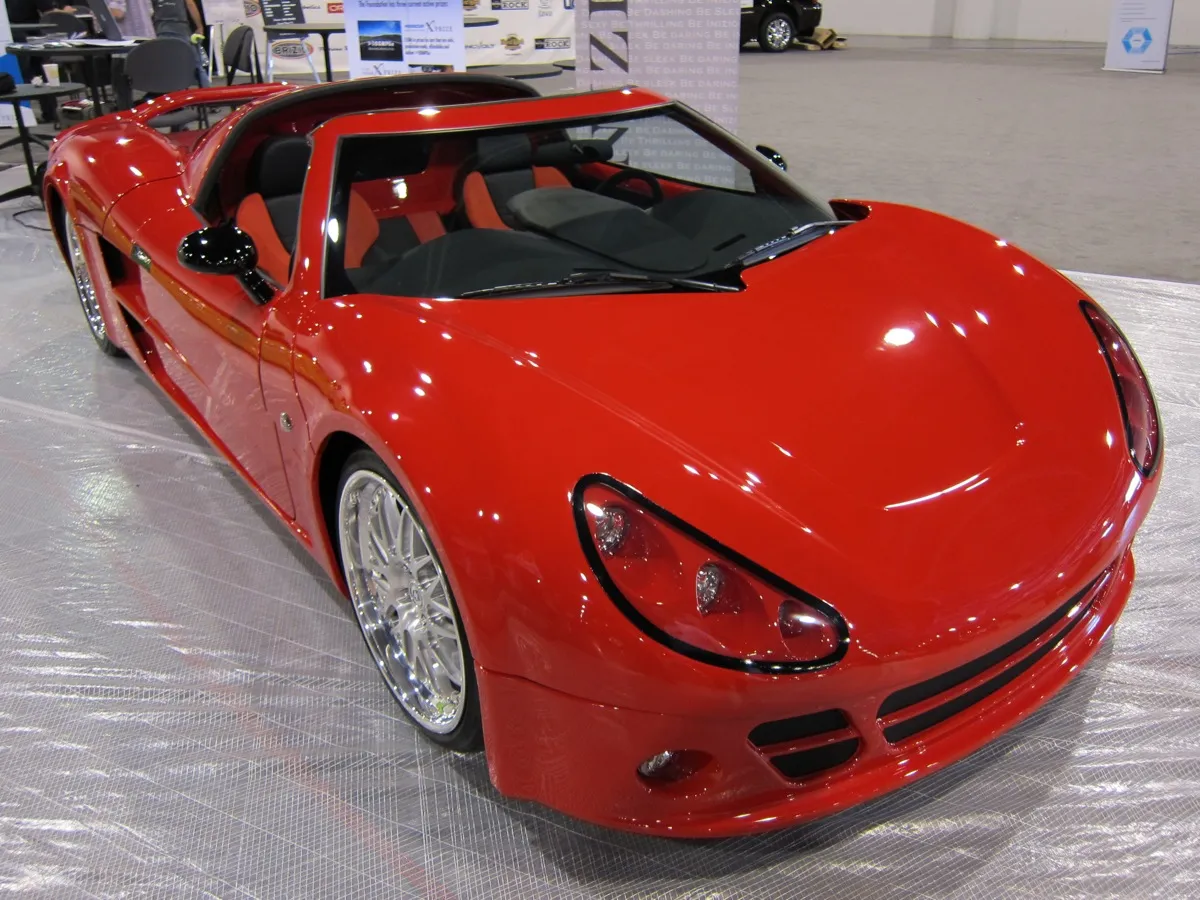
Inizio EVS is claimed to be the world's first mass-produced electric sports car. But is it really so?
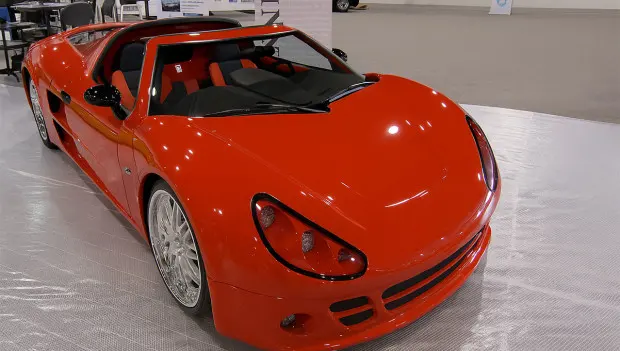
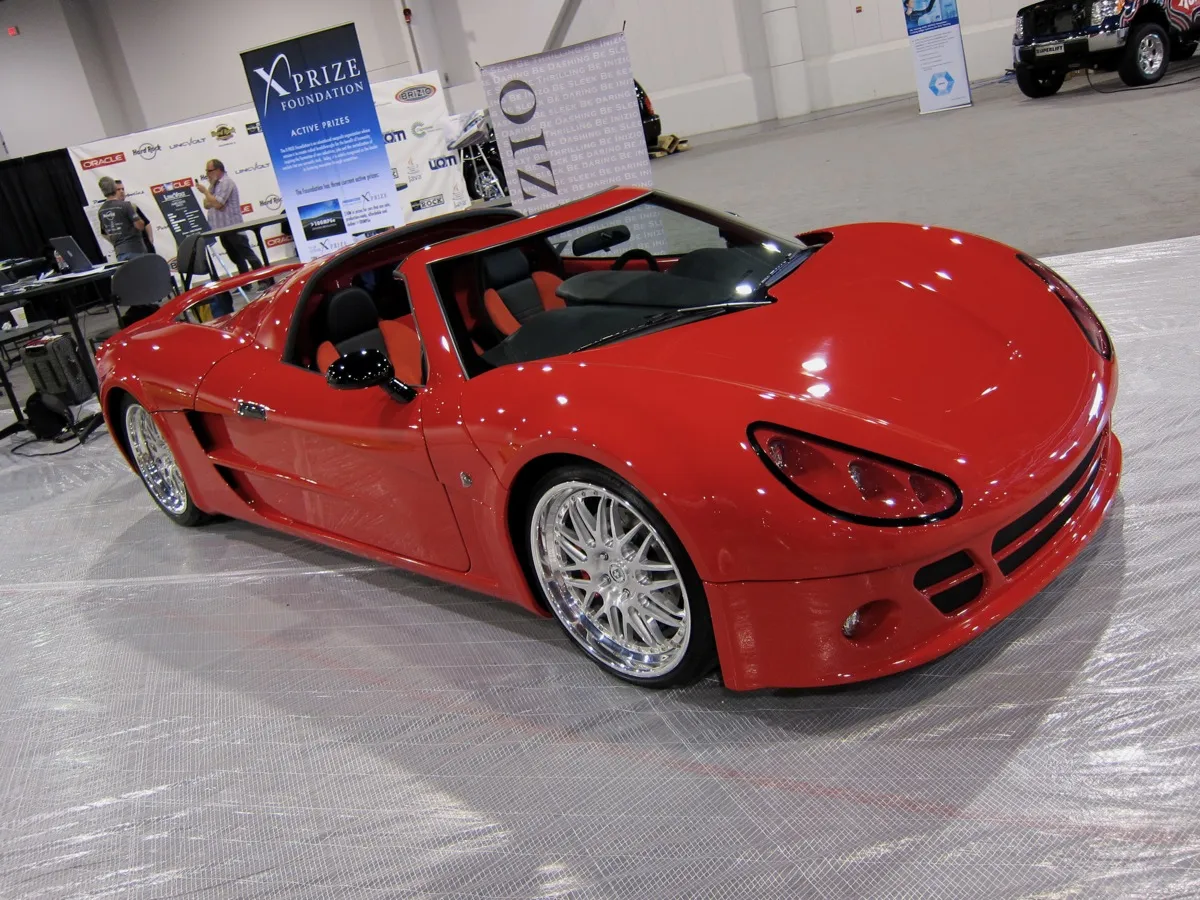
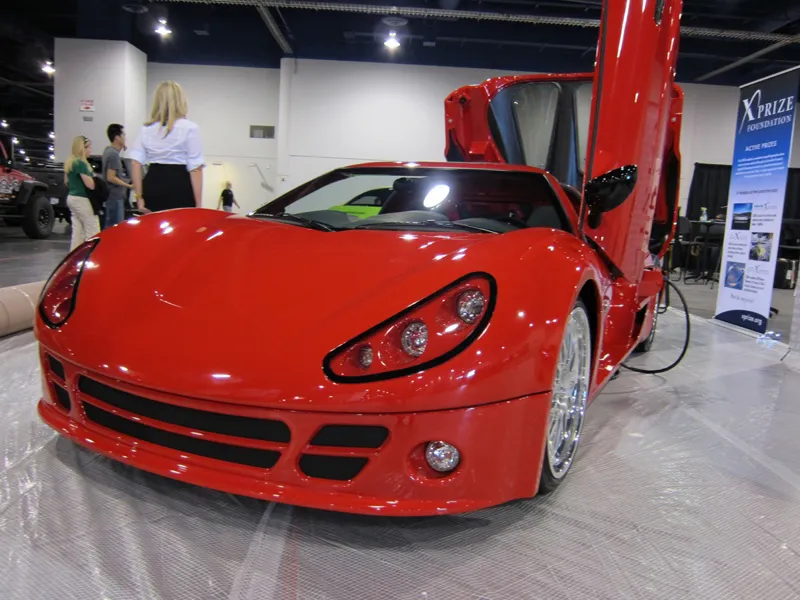
Electric cars are still associated with eco-friendliness and low operating costs — but certainly not with wild dynamics. Nevertheless, as far back as 2011, Inizio EVS emerged — declared as the world's first mass-produced electric sports car. Back then it sounded like a breakthrough.
Back then, most EVs were compact city cars — Leaf, Smart ForTwo EV, BMW ActiveE, and others — intended for short trips, not for quick drives.
Wanted speed? Then they fantasized about hybrids like the Fisker Karma or concepts like the Nissan Esflow — but it was not about full electric drive.
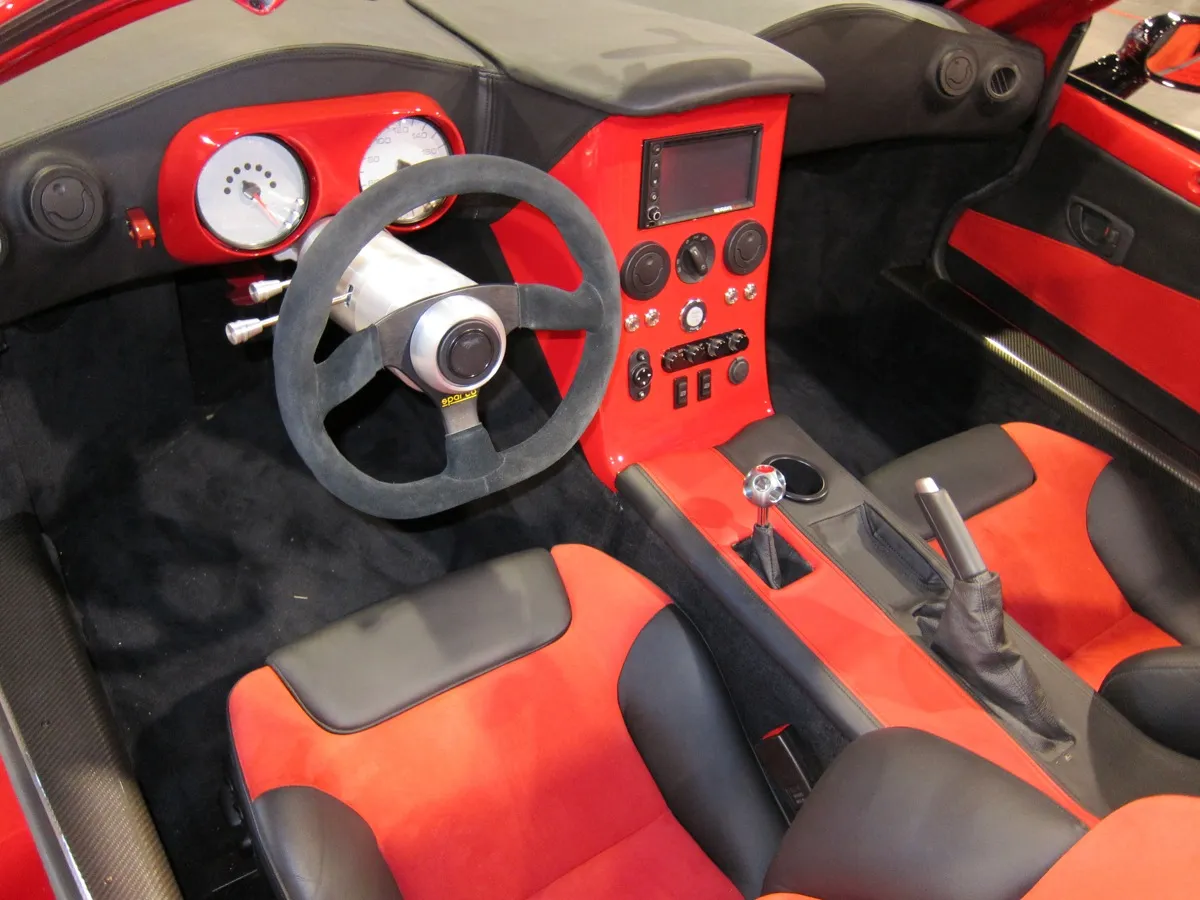
But in 2011, Li-ion Motors declared: «Here it is — the first mass-produced electric sports car!» Inizio EVS was presented in three versions: from basic R (130 mph, 0–100 km/h in 5.9 s, range up to 241 km) to the most powerful RTX (273 km/h, 0–100 in 3.4 s, range ≈ 321 km).
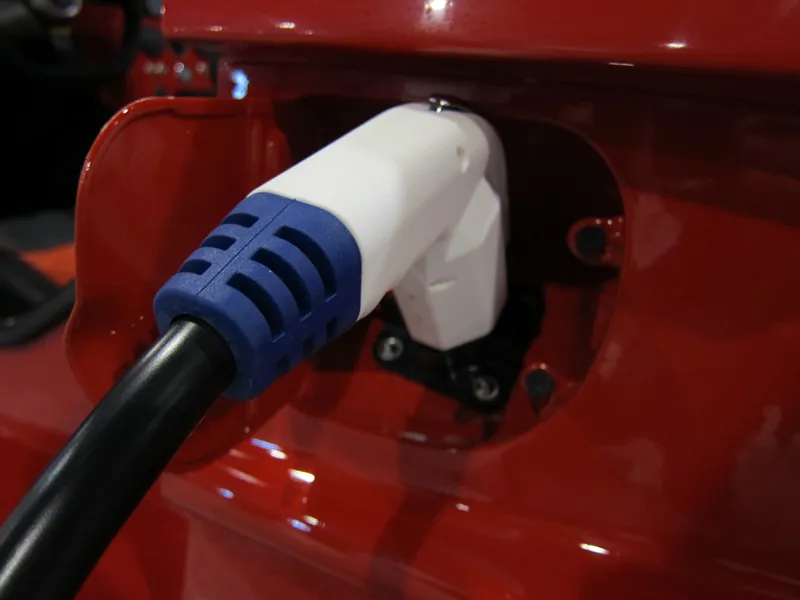
Announced price — from 139,000 to 249,000 $. Full charge — in 4–8 hrs depending on the configuration and charge.
It seemed like the dream of eco-friendly car enthusiasts had come true: one could save nature and feel the speed. However, as early as 2025, it is clear: the story of Inizio — is more about «what could have been», than «what is». Production never really started, and the projects turned out to be controversial and pulled: initially promised in 2010–2011, then deadlines shifted, but real cars never appeared.
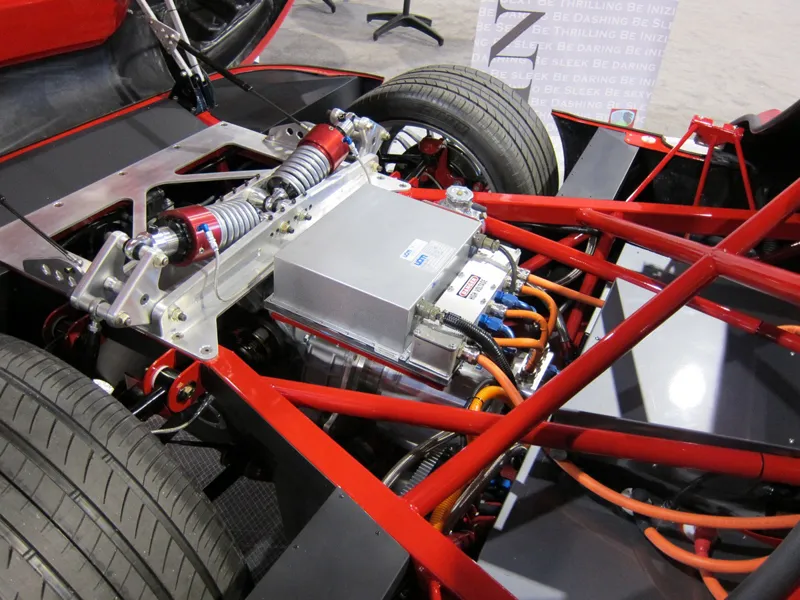
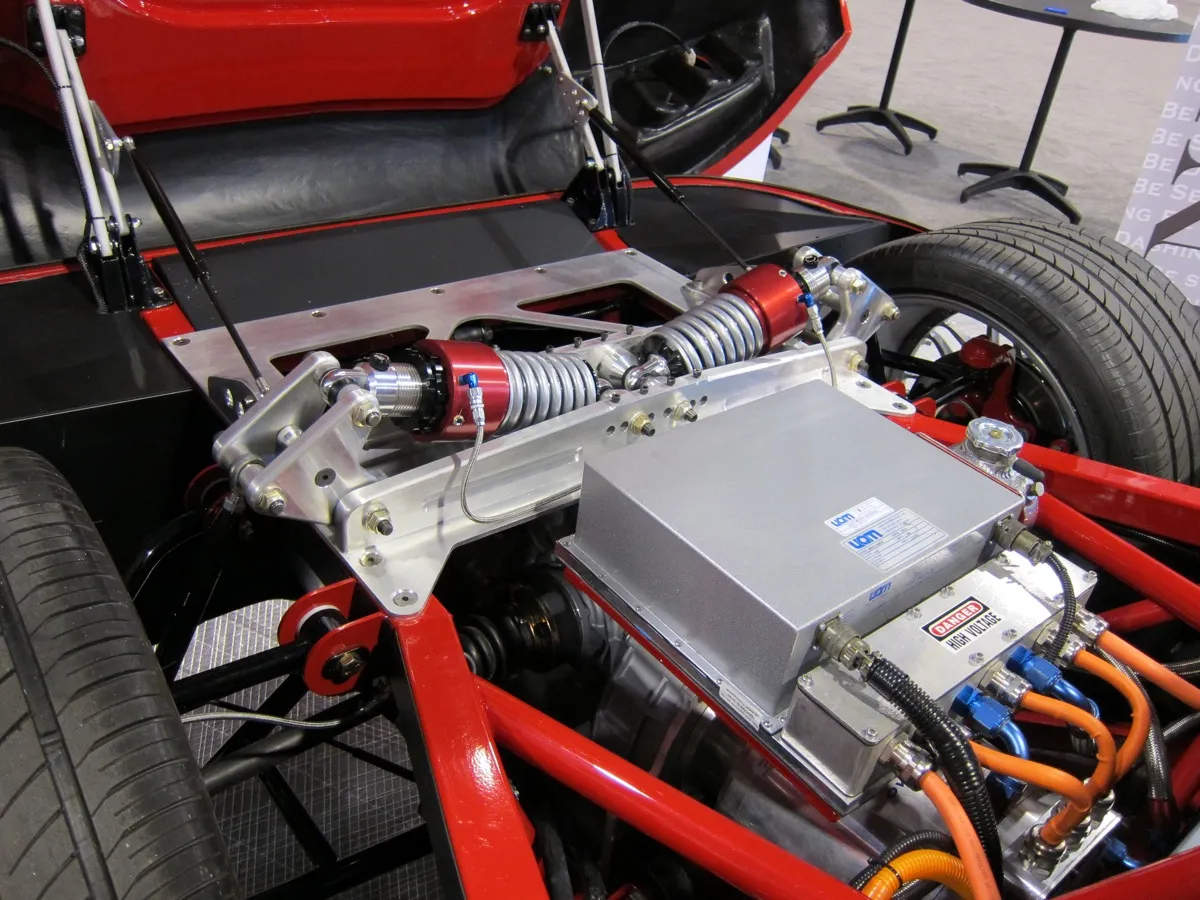
Over these 14 years, the world has changed dramatically. True pioneers of electric sports cars became Rimac (Concept One, Concept S), Tesla (Model S Plaid, second generation Roadster), Lotus, Pininfarina, and others.
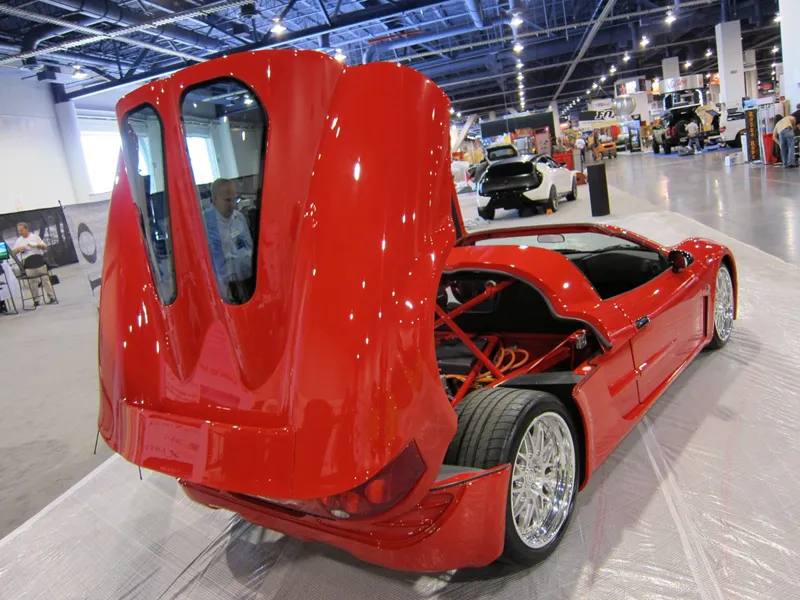
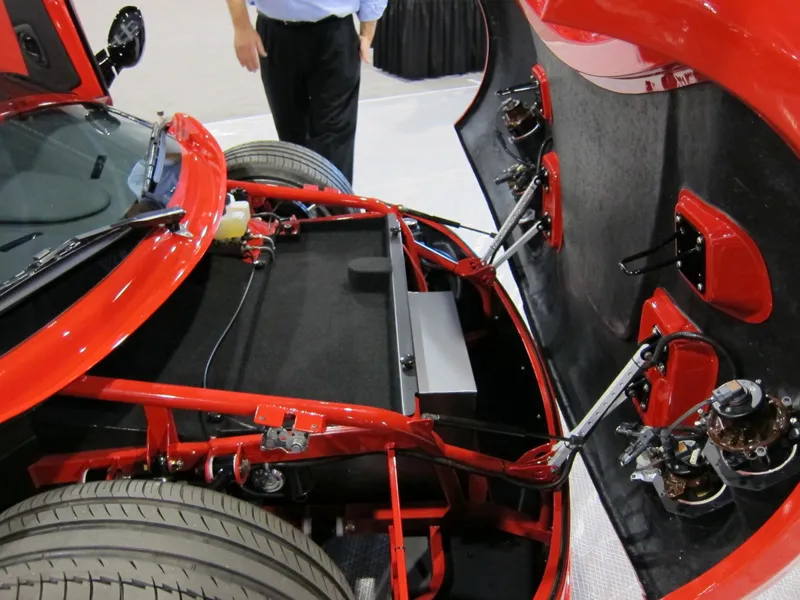
These brands have truly brought EV hypercars to series production, proving that speed + electricity — is a true reality. Inizio, on the other hand, turned into a forgotten concept: few recall it today as an adventure.
Opinion of the Auto30 editorial team
Currently, Li-ion Motors and the Inizio EVS model have long transformed more into a car legend «what could have been» than a real market player: the company officially shut down active operations, their web resources are abandoned, and serial production has never been launched. The Inizio brand does not appear among modern electric sports car manufacturers, and all available information about the EVS — is merely recollections of a large-scale project that never went from prototype stage to a full production model. Inizio EVS became an example of how in the early 2010s ambitious promises were not always backed by reality – today it is discussed in the context of «a breakthrough that didn't happen».
You may also be interested in the news:
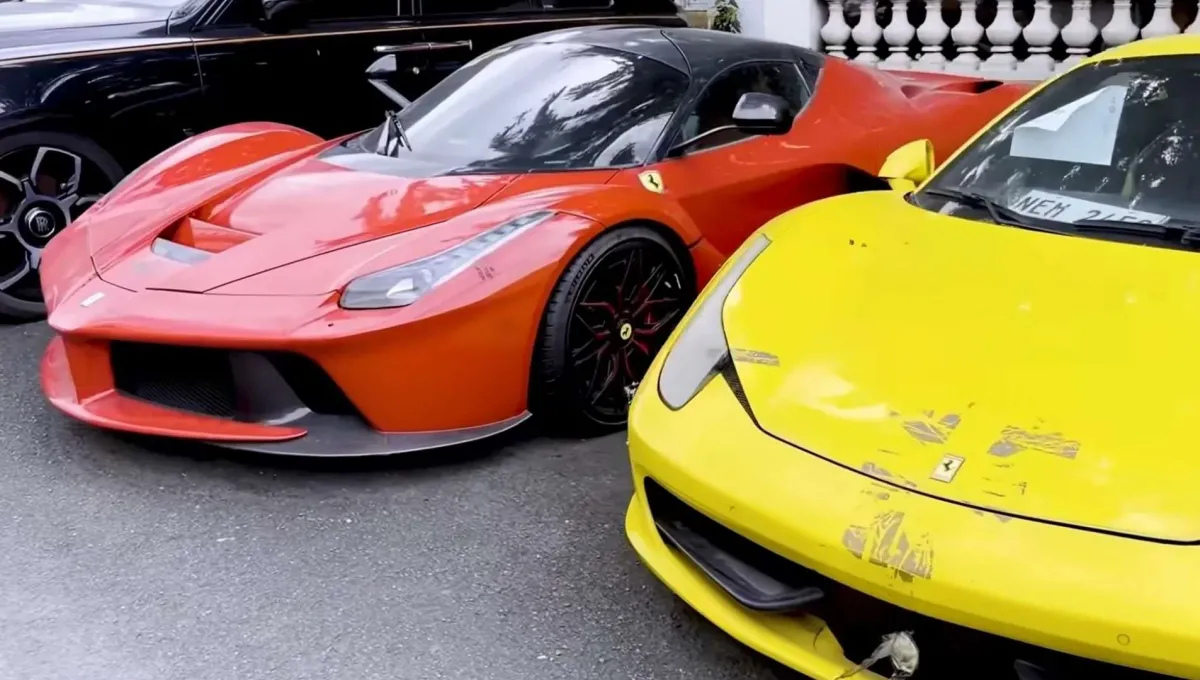
Ferrari LaFerrari and McLaren Senna Stuck at Manila Customs for More Than a Year
Two exclusive hypercars—a Ferrari LaFerrari and a McLaren Senna—have been left effectively abandoned at a customs warehouse in Manila, Philippines.
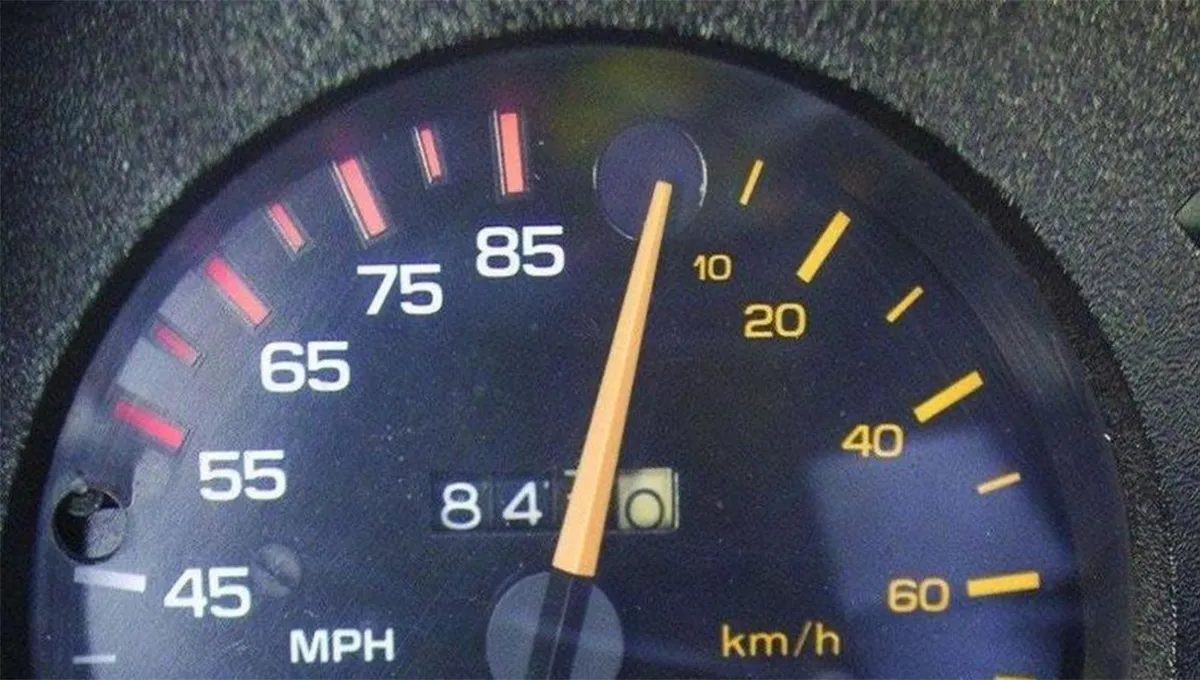
Study Finds Cars Used the Least Fuel Around 43 MPH, Not 56 MPH
At what speed does a car use the least fuel? French researchers identified a figure that may surprise many drivers.
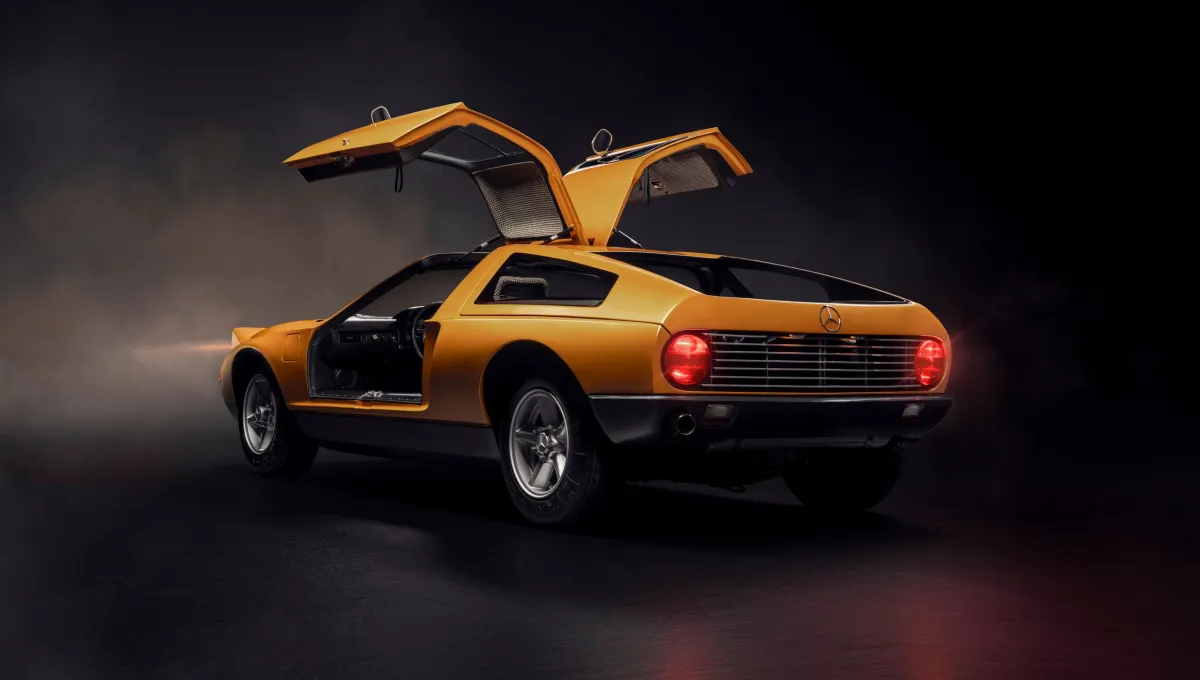
Mercedes-Benz Offers a C 111 Prototype for Sale for the First Time
Mercedes-Benz is auctioning a restored C 111 prototype, with proceeds supporting its museum's global reach.
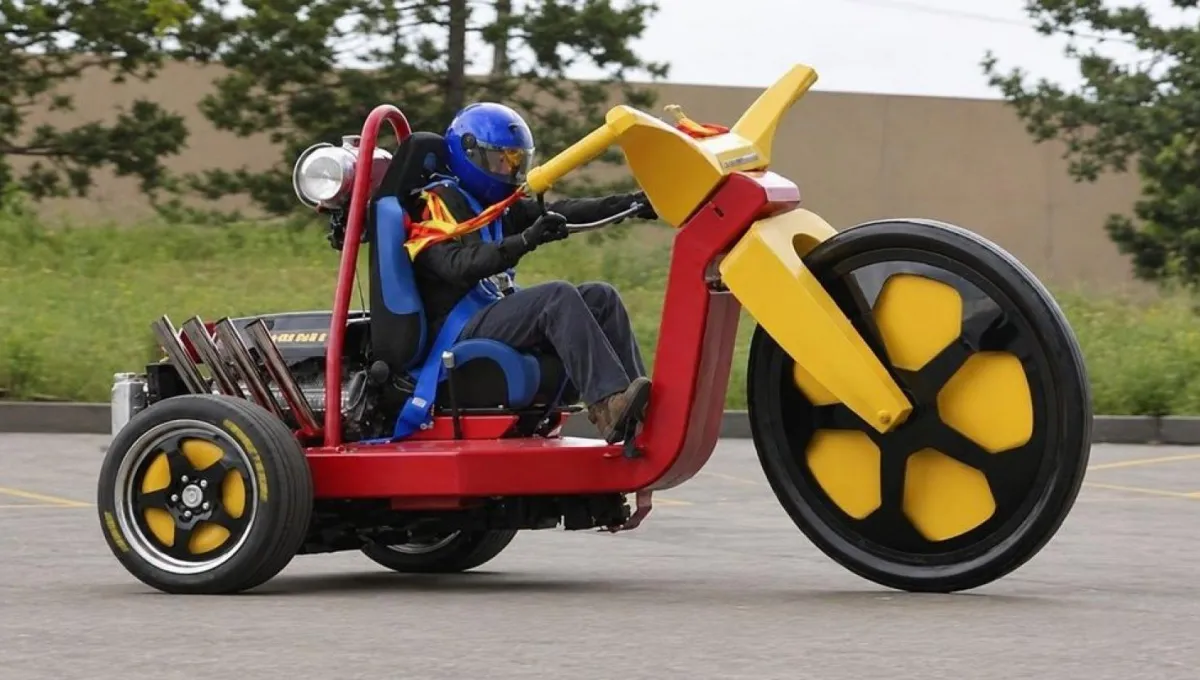
Hemi Beyond the Highway: Tanks, Sirens, and Other Unlikely Machines
Chrysler’s Hemi usually brings muscle cars and pickups to mind, but over the decades, it has also found work in Antarctic snowcats, fighter aircraft, tanks, and even a carousel.